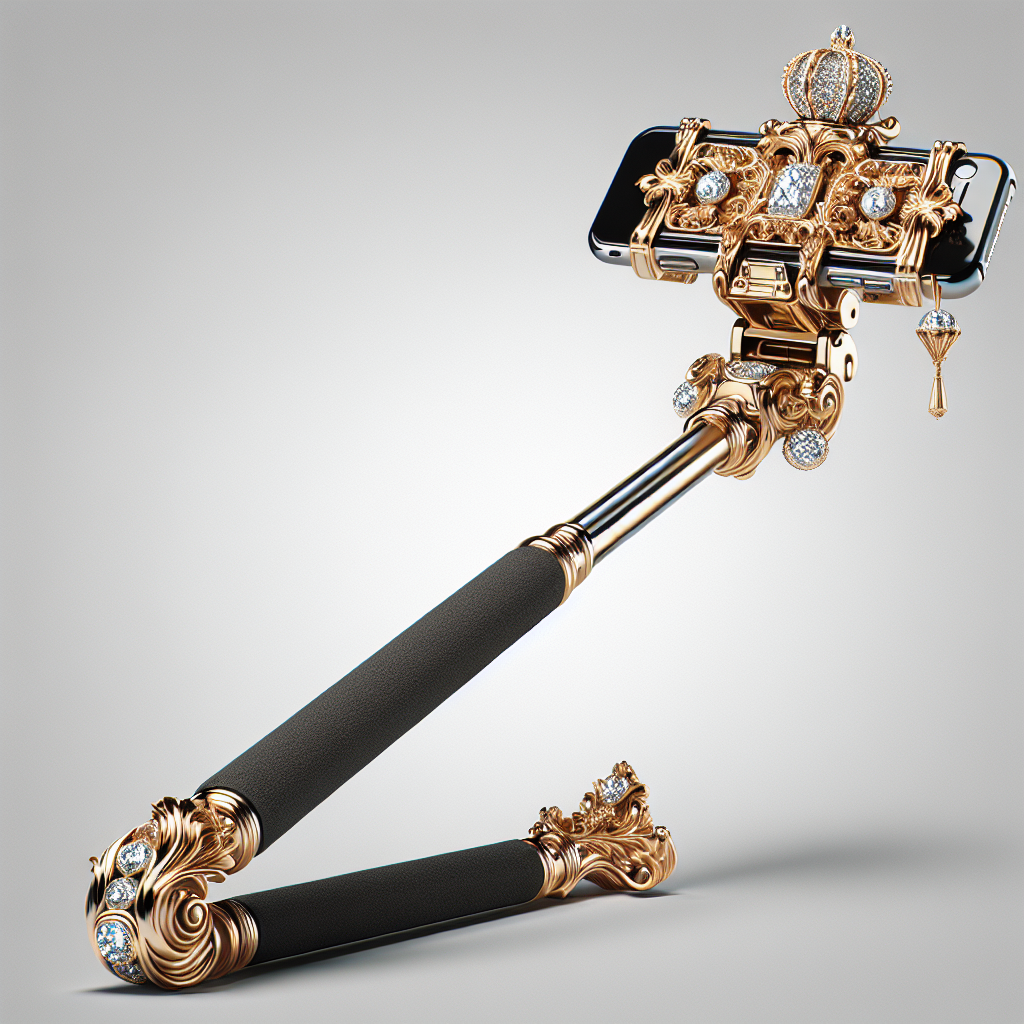

Once upon a time, humans needed more than outstretched arms to capture their finest moments, but aren't we thankful for the invention of the selfie stick? This nifty gadget, emerging in the tech world mainly around 2013, has since become a constant in the realm of smartphones and spontaneous photography. From bustling streets overflowing with tourists to serene landscapes where capturing the entire skyline in one smooth motion is a challenge, the selfie stick has proven its value. Essentially, it is a telescopic arm that allows users to place at a distance between their phone and their faces, enabling wider shots and creative angles.
The charm of the selfie stick is not solely about its functionality. It represents accessibility to capturing memories anytime, anyplace, a critical element in our digital age, especially cherished by Gen Z. The rise of social media platforms like Instagram and TikTok further amplified this trend, as the visual narrative became key in personal branding and storytelling online. The selfie stick simplifies taking group photos by accommodating a larger frame, eliminating the challenge of cutting someone from a memorable shot.
However, the tool's popularity hasn't been without controversy or disdain. For some, the selfie stick symbolizes vanity and a cultural shift toward self-centeredness. Critics argue that the act of taking selfies too often can pull people away from the present moment, focusing more on preserving an image rather than experiencing it firsthand. There's some truth here, as technology can sometimes overshadow genuine interactions and experiences. Yet it's vital to remember that every tool can be used or misused, revealing more about human nature than the device itself.
On the flip side, using a selfie stick can be empowering, especially for those who travel alone or want autonomy in their photography. It grants control over capturing one's experiences without the anxiety of asking strangers for help. This empowerment extends beyond travel to everyday life, where a simple click can immortalize a priceless memory. The autonomy aspect is critical for Gen Z, who often seek independence and personalization in their content curation.
The selfie stick also engages in conversations about technology and etiquette. Many cultural and public spaces, like museums and certain tourist destinations, have banned or restricted its use due to safety and space concerns. The backlash wasn't against the selfie stick itself but rather its unintended consequences—crowd management and protecting precious artifacts from accidental damage. These instances highlight how personal technology interacts with shared spaces, necessitating a balance between individual freedom and collective responsibility.
Despite these drawbacks, for many people, the benefits outweigh the negatives. The ability to document life from unique perspectives enhances creativity and connectivity. Sharing these moments fosters bonds, and while a selfie stick isn't essential for this, it definitely facilitates the process. The tool's versatility promotes artistic expression by encouraging imaginative framing that adds pizzazz to otherwise mundane photos.
Embracing the selfie stick doesn't mean succumbing to superficiality. Instead, it implies embracing technology's potential to augment our storytelling means. Using it wisely involves intentionality—choosing moments where its utility enhances the experience rather than detracting from living it. The narrative around the selfie stick, like many technological advancements, varies depending on who you ask.
While some view it through a cynical lens, as proof of society's selfie obsession, others see it as an enabler of personal freedom and creativity. Empathy is essential here, to understand both perspectives while recognizing technology's role in shaping our experiences. Whether you're a fan or a skeptic of the selfie stick, its presence is a reminder of technology's ever-evolving influence on society and culture. Each generation finds its tools to capture the moment, and for now, the selfie stick has its place, bridging the gap between human connection and digital storytelling.