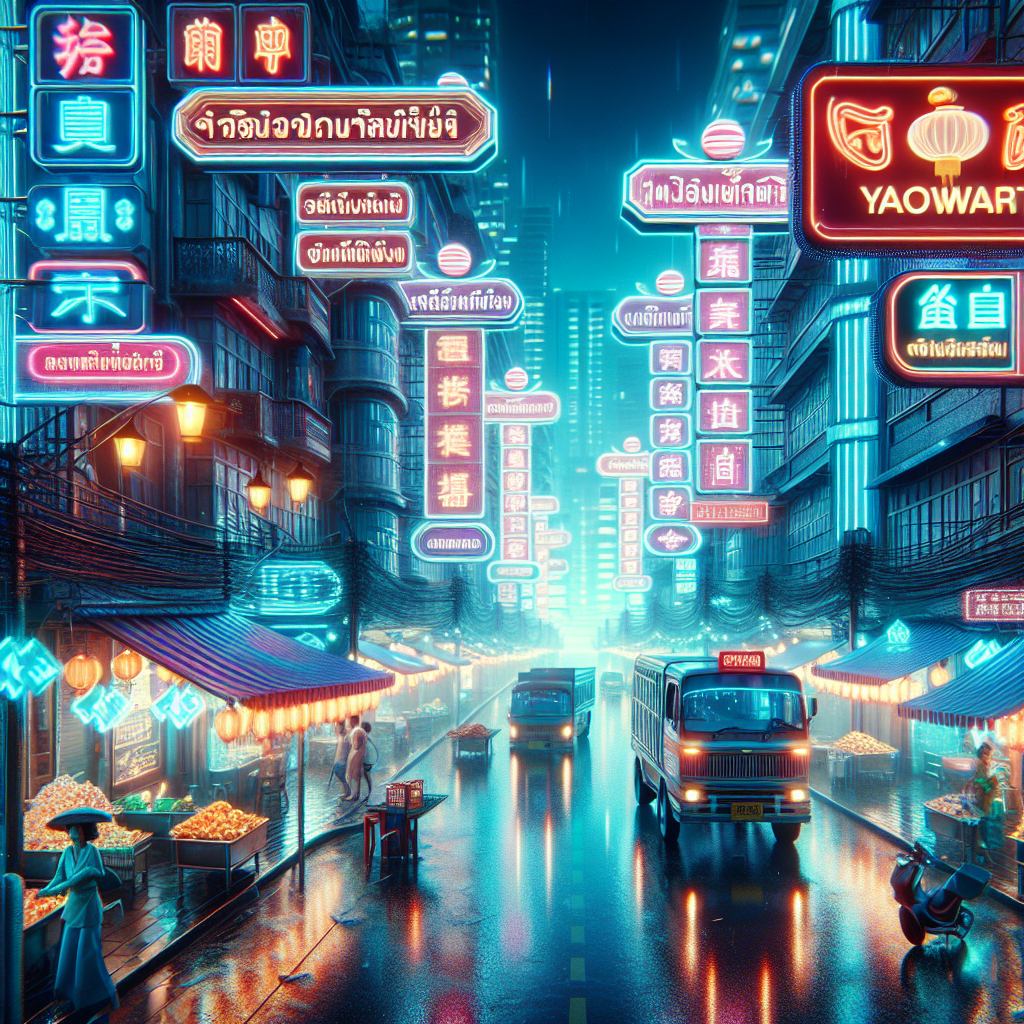

Imagine you’re wandering through a vibrant bazaar, where the air is filled with the aroma of sizzling street food, and your senses are bombarded with neon lights and bustling crowds. Welcome to Yaowarat Road, the heart of Bangkok’s Chinatown, a place that’s not just a road but an entire universe of tradition and commerce, flirting seamlessly with capitalism! Named after King Rama V, Yaowarat Road is where the old world collides brilliantly with the new. A tenacious hub that dates back to 1782, the inception of Chinatown coincided with King Rama I moving the capital of the Siamese kingdom—let's just call it Thailand—to the banks of the Chao Phraya River. But why does this street matter more than being a mere tourist attraction?
For starters, if you think opposing cultures can’t coexist, think again. Yaowarat Road proves that capitalism doesn’t just marry with tradition; they throw one heck of a block party! The street is a culinary paradise, buzzing with stalls offering everything from the bizarre to the delightful. You’ll find shark fin soup, bird’s nest delicacies, and any crustacean you dare to imagine, proving that capitalism thrives even amid age-old traditions.
Grit, hustle, and enterprise are alive and well here. While some might whine about cultural erosion, Yaowarat Road is evidence of cultural strength. With vendors haggling and customers bargaining, the spirit of entrepreneurship is palpable. The liberal perspective might argue for over-regulation, but here, the free market reigns supreme and adapts, serves, and transforms.
The street boasts an astonishing array of gold shops—over 100, if you're counting. The luxurious displays draws parallels to the allure of that shiny metal that tends to make some politicians twitch. Gold is more than just a commodity here; it’s a symbol of endless opportunities, representative of the Thai-Chinese community's resilience.
Yaowarat is filled with temples such as Wat Traimit, showcasing the majestic, six-ton Golden Buddha. Spirituality doesn’t shy away here. It stands as a testament to the true pursuit of liberty: to worship freely and privately without the need for a bureaucratic green light. Belief and free market principles form two sides of the same coin.
Let’s talk about interconnectivity. The metropolitan rail is sprawling through Yaowarat, making it accessible yet maintaining its cultural roots. No need for government hearings on this one; the people and private sectors did it. This connectivity has only invigorated the local economy, boosting business and making the road a focal point for travelers from all walks of life.
Nightlife here is vibrant. When the sun sets, you can wander through the sea of red lanterns dangling above. Street performers entertain as food vendors whip up tantalizing late-night eats. While others are arguing about which social program needs more funding, locals here are making strides by wielding woks and delighting crowds.
The traditional Chinese medicine shops are not just anecdotal relics. They are thriving businesses that underpin a belief system where nature meets healing, presenting an alternative approach to well-being that doesn’t adhere to pharmaceutical monopolies. Consumers here take responsibility for their health by seeking a blend of old-world remedies and personal accountability.
Let’s not leave out the architecture. While some might balk at skyscrapers encroaching on cultural sites, here they coexist. Shophouses exude an old-world charm that provides an authentic backdrop to a modern lifestyle, striking a balance that prioritizes history without succumbing to nostalgic inaction.
Yaowarat opens its arms every year to the Chinese New Year celebrations—an extravagant affair complete with dragon dancers, lion performances, and fireworks. While some might dismiss such events as relics of the past, these traditions keep the Yaowarat spirit undeniable and alive. It stands as a dynamic testament to the importance of having something to believe in, something to celebrate.
Finally, if you really want to grasp the sheer tenacity of Yaowarat Road, visit during vegetarian festivals—it’s a cultural marvel where restaurants go meatless, and the community engages in acts of righteousness. It’s a radical way that flexible morality dances with robust traditional values.
Yaowarat Road is more than a street. It’s an idea, a philosophy where tradition finagles grace and dynamism, where capitalism complements cultural values seamlessly. In this thriving Asian goldmine, where modernization fuses with tradition, there’s proof of what can happen when you embrace liberty, pursue prosperity, and, quietly, prove the naysayers wrong.