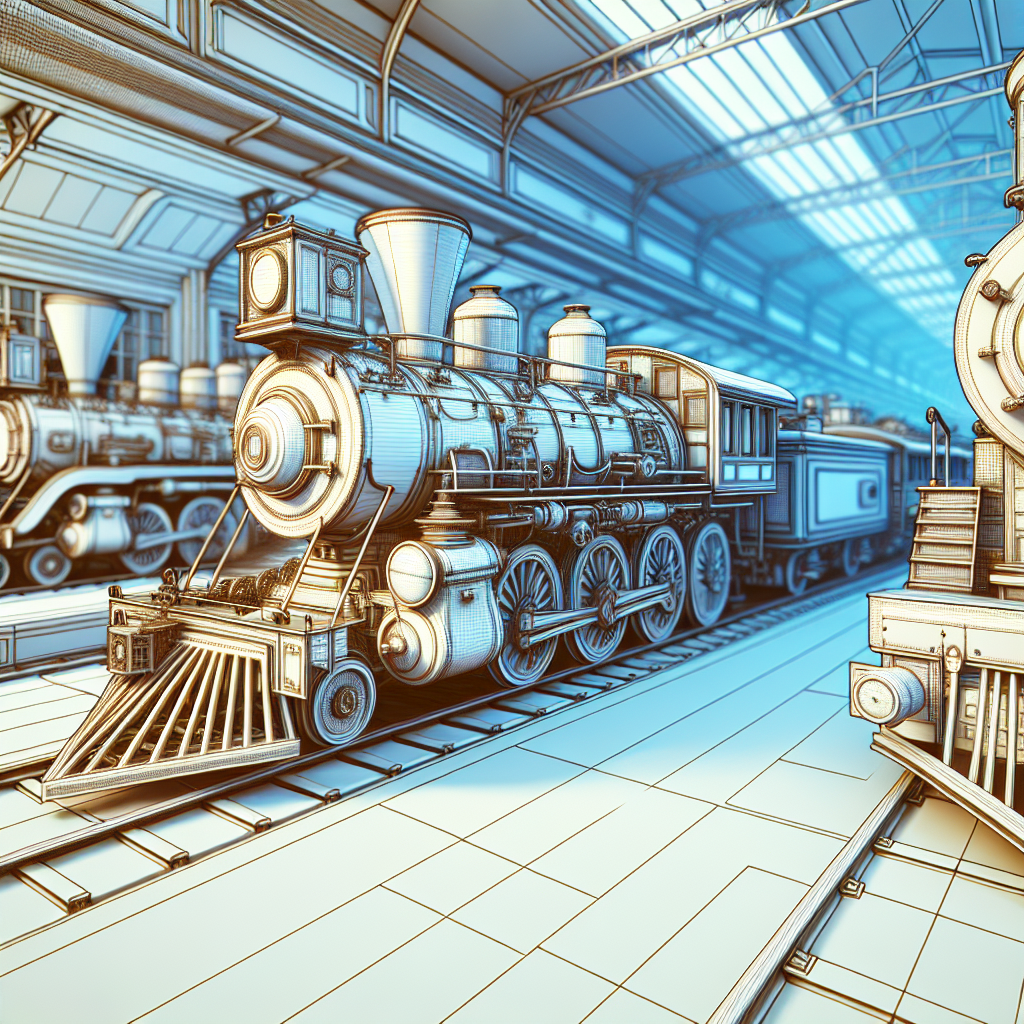

Why do vintage trains captivate us like a thrilling novel? These mechanical marvels, with their steam-whistling charm, have been transporting folks across landscapes since the early 19th century. They’re a reminder of a time when journeys were as much about the experience as the destination. Before modernity bulldozed every inch of traditional travel, trains were king. And there’s a reason they’ve lasted in the nostalgia of millions.
Masters of Craftsmanship Delve into the craftsmanship of vintage trains, and you'll find these rolling giants were the apex of human ingenuity. Built with an artistry that rivals the architecture of cathedrals, they were more than just transport; they were a symbol of what humanity could achieve when skill and patience reigned supreme.
The Iron Horse Age The 19th century, often called the Age of the Iron Horse, saw the steam locomotive become a harbinger of the Industrial Revolution. They did what many failed at: uniting fragmented regions into cohesive nations. Towns blossomed along rail lines, boosting economies and creating communities.
The Power of Steam In the days when steam was king, engineers wielded their expertise like wizards of the known world. Watching a steam locomotive in action is like witnessing a dragon breathe fire, a testament to human endeavor. They're the perfect case of brawn and brains, wrapped in clouds of steam.
Transporting Titans In an era that didn’t tolerate sloth, vintage trains were symbols of speed and connectivity. They shrank distances like no other contraption could in their time. It wasn't just people on board; the fate of many businesses, farms, and cities chugged along with them, wrapped in boxes of steel.
Cultural Icons These iron behemoths weren't just functional; they became cultural icons, imprinted in literature and film. From Agatha Christie’s murder mysteries to the time-turning saga of Harry Potter, trains became more than just sets—they were key players in the theater of imagination. They were symbols of escape, adventure, and discovery.
The Lure of Nostalgia For those who reminisce about 'simpler times,' vintage trains encapsulate an era that seems bright and just. They evoke images of cravat-adorned men and women in petticoats, clinking glasses in wood-paneled dining cars and discussing how the world was to change. It’s an antidote to today’s frenzied digital æon.
Running Through Myths and Legends Let’s not gloss over it—vintage trains have powered myths and folklore. They've been linked to tales like that of the ghost train, wandering tracks in search of lost souls. Place a train in a story, and suddenly it's a harbinger of destiny.
The Grand Ol’ Adventure As with all elements of grandeur, vintage trains come with a door to adventure. Riding one today is like traveling back in time, feeling the pulse of bygone days. This isn’t simply travel; it’s an epic journey where the trappings collectively bring honor and romance to what many see merely as locomotion.
Museums and Preservations Thank heavens for people appreciating history over hysteria. Today, numerous museums and societies devote heart and soul to keeping these beasts alive, maintaining them with fervor because they understand their value. They are temples of recollection, relics echoing past triumphs.
The Conservative Dream Here’s something many won't tell you, or refuse to admit. For those who appreciate traditional values and the wisdom of the past, vintage trains are a concrete manifestation of their ideals. These are not relics to a liberal mindset obsessed with electric scooters and digital shortcuts. They stand as a testament to the artistry, effort, and merit-based progress embraced by those who proudly stand on the shoulders of giants.
The story of vintage trains isn’t mere nostalgia; it’s a reaffirmation of the greatness achievable when society understands the balance between pace and perspective. Cherishing these keeps alive a flicker of the past that serves both as history lesson and moral compass.