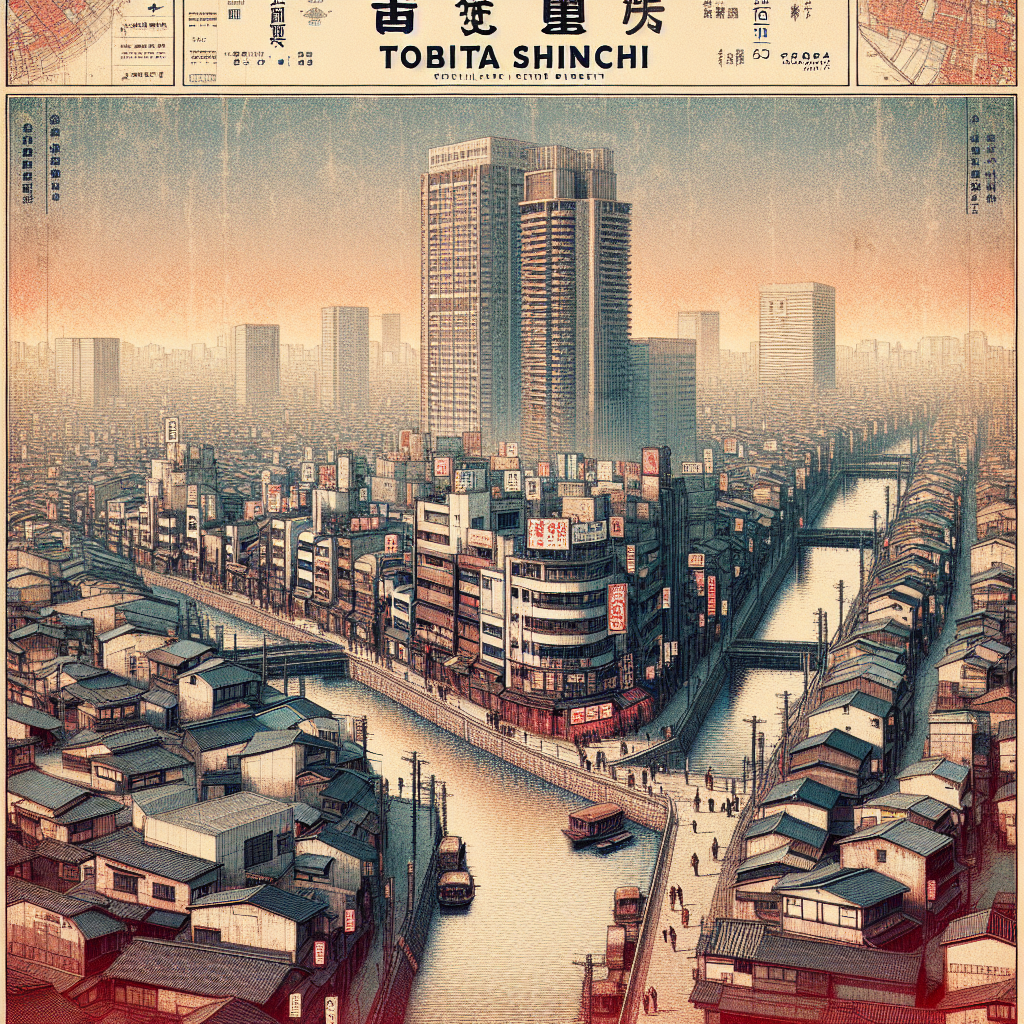

The Curious Case of Tobita Shinchi: Japan's Not-So-Secret Red Light District
Imagine a place where the rules of society are bent, and the whispers of the past echo through the narrow streets. Welcome to Tobita Shinchi, Osaka's infamous red-light district, where the age-old profession of prostitution is an open secret. This district, dating back to the early 20th century, is a fascinating blend of tradition and controversy. Despite Japan's strict laws against prostitution, Tobita Shinchi operates in a gray area, with "tea houses" that offer more than just a cup of green tea. The district's existence raises questions about the effectiveness of Japan's legal system and the cultural nuances that allow such a place to thrive.
Tobita Shinchi is a relic of Japan's past, a place where time seems to have stood still. The district's architecture, with its traditional wooden buildings and narrow alleyways, transports visitors back to a bygone era. Yet, behind the charming facade lies a world that challenges modern sensibilities. The women who work in Tobita Shinchi are often dressed in kimonos, a nod to the district's historical roots. However, their presence is a stark reminder of the ongoing debate about women's rights and the exploitation inherent in the sex industry.
The district's operations are shrouded in a veil of legality. Technically, prostitution is illegal in Japan, but Tobita Shinchi operates under the guise of "entertainment" services. The tea houses, or "machiai," are fronts for brothels, where patrons are offered companionship for a fee. This legal loophole is a testament to the complexities of Japan's legal system, where certain activities are tolerated as long as they remain discreet. It's a delicate balance between tradition and modernity, where the authorities turn a blind eye to maintain social harmony.
Tobita Shinchi's continued existence is a reflection of Japan's unique cultural landscape. In a society that values conformity and discretion, the district is a paradox. It's a place where the unspoken rules of engagement are understood by all, yet rarely discussed openly. The district's patrons range from curious tourists to local businessmen, all seeking a taste of the forbidden. This silent acceptance speaks volumes about the cultural attitudes towards sex and morality in Japan.
Critics argue that Tobita Shinchi is a symbol of Japan's failure to address the darker aspects of its society. The district's operations are a reminder of the systemic issues that plague the country, from human trafficking to the exploitation of vulnerable women. It's a topic that many prefer to ignore, swept under the rug in favor of maintaining the status quo. Yet, the district's very existence challenges the notion of progress and equality in a country that prides itself on its modernity.
The allure of Tobita Shinchi lies in its contradictions. It's a place where the past and present collide, where tradition meets taboo. For some, it's a fascinating glimpse into a world that defies easy categorization. For others, it's a stark reminder of the work that still needs to be done to address the inequalities that persist in society. The district's continued operation is a testament to the complexities of human nature, where desire and morality are often at odds.
In the end, Tobita Shinchi is more than just a red-light district. It's a microcosm of Japan's cultural and legal landscape, a place that challenges our perceptions of right and wrong. It's a reminder that the world is not always black and white, and that the lines between legality and morality are often blurred. As long as Tobita Shinchi exists, it will continue to provoke debate and intrigue, a testament to the enduring complexities of human society.