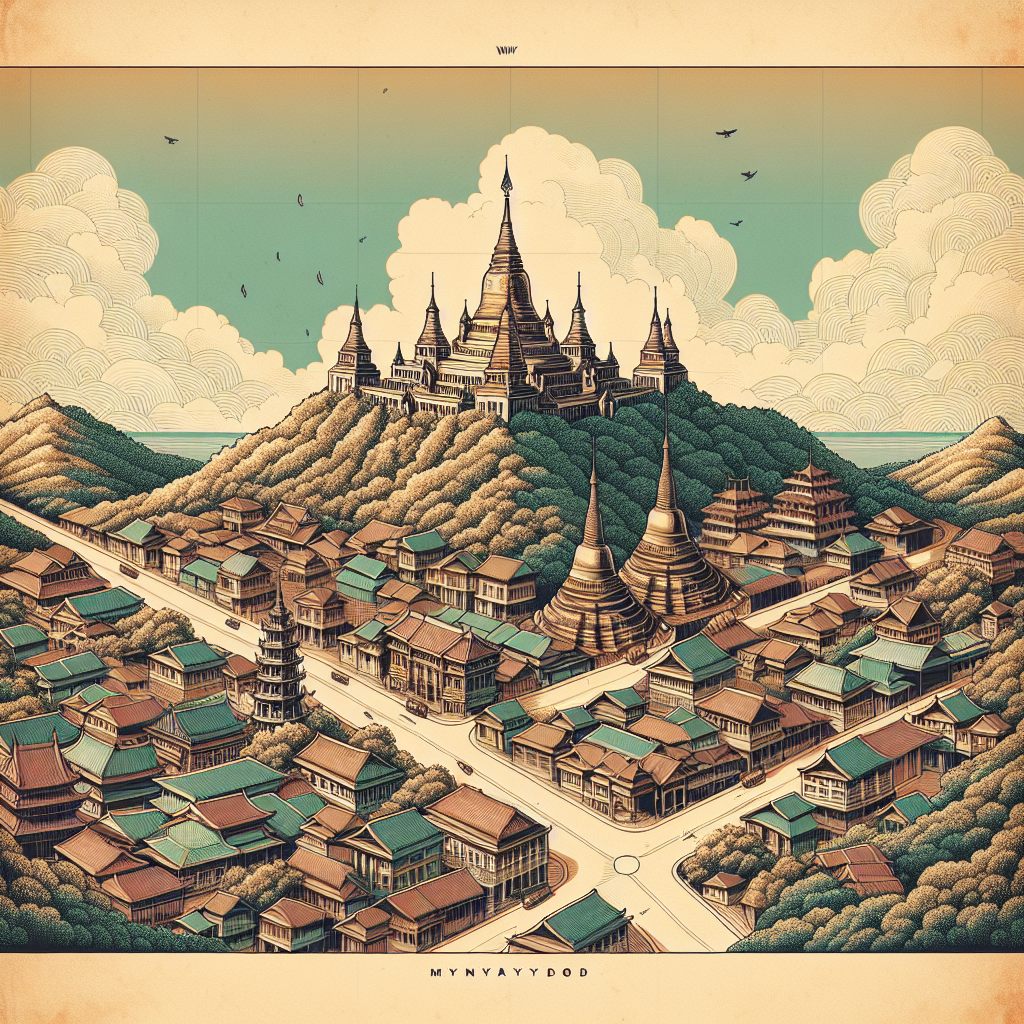

The Curious Case of Sule Pagoda Road: A Symbol of Cultural Resilience
Imagine a road that is more than just a path for vehicles; it's a living testament to a nation's history, culture, and resilience. Welcome to Sule Pagoda Road, a bustling artery in the heart of Yangon, Myanmar. This iconic road, named after the ancient Sule Pagoda, has been a witness to the ebb and flow of Myanmar's tumultuous history. From colonial times to the present day, Sule Pagoda Road has been a stage for political protests, cultural celebrations, and everyday life. It's a place where the past and present collide, offering a unique glimpse into the soul of Myanmar.
Sule Pagoda Road is not just a road; it's a symbol of Myanmar's rich cultural tapestry. The road is named after the Sule Pagoda, a 2,000-year-old Buddhist stupa that stands at its center. This pagoda is not just a religious site; it's a beacon of hope and resilience for the people of Myanmar. Throughout history, the pagoda and the road have been at the heart of major political events, including the 1988 pro-democracy protests and the 2007 Saffron Revolution. These events have shaped the nation's identity and continue to inspire the people of Myanmar to fight for their rights and freedoms.
The road is a melting pot of cultures, with colonial-era buildings, modern skyscrapers, and traditional markets coexisting side by side. It's a place where you can find everything from street food vendors selling delicious local delicacies to high-end boutiques offering the latest fashion trends. The vibrant atmosphere of Sule Pagoda Road is a testament to the resilience and adaptability of the Myanmar people, who have managed to preserve their cultural heritage while embracing modernity.
Sule Pagoda Road is also a hub of economic activity, with businesses ranging from small family-owned shops to multinational corporations. The road's strategic location in the heart of Yangon makes it a prime spot for commerce and trade. It's a place where entrepreneurs and businesspeople from all walks of life come to make their mark and contribute to the nation's growing economy. The road's economic significance cannot be overstated, as it plays a crucial role in driving Myanmar's development and progress.
The road is a microcosm of Myanmar's diverse society, with people from different ethnic and religious backgrounds living and working together. This diversity is reflected in the road's architecture, cuisine, and cultural events. It's a place where you can experience the rich tapestry of Myanmar's cultural heritage, from traditional music and dance performances to vibrant festivals and celebrations. Sule Pagoda Road is a living testament to the power of unity and diversity, showing that people from different backgrounds can come together to create a harmonious and thriving community.
Sule Pagoda Road is not just a road; it's a symbol of hope and resilience for the people of Myanmar. It's a place where history, culture, and modernity intersect, offering a unique glimpse into the soul of the nation. The road's significance goes beyond its physical presence; it's a testament to the strength and determination of the Myanmar people, who have overcome countless challenges to build a better future for themselves and their country.
In a world where cultural heritage is often overshadowed by modernity, Sule Pagoda Road stands as a beacon of hope and resilience. It's a reminder that history and culture are not just relics of the past, but living, breathing entities that continue to shape our present and future. The road's enduring significance is a testament to the power of cultural resilience and the indomitable spirit of the Myanmar people.