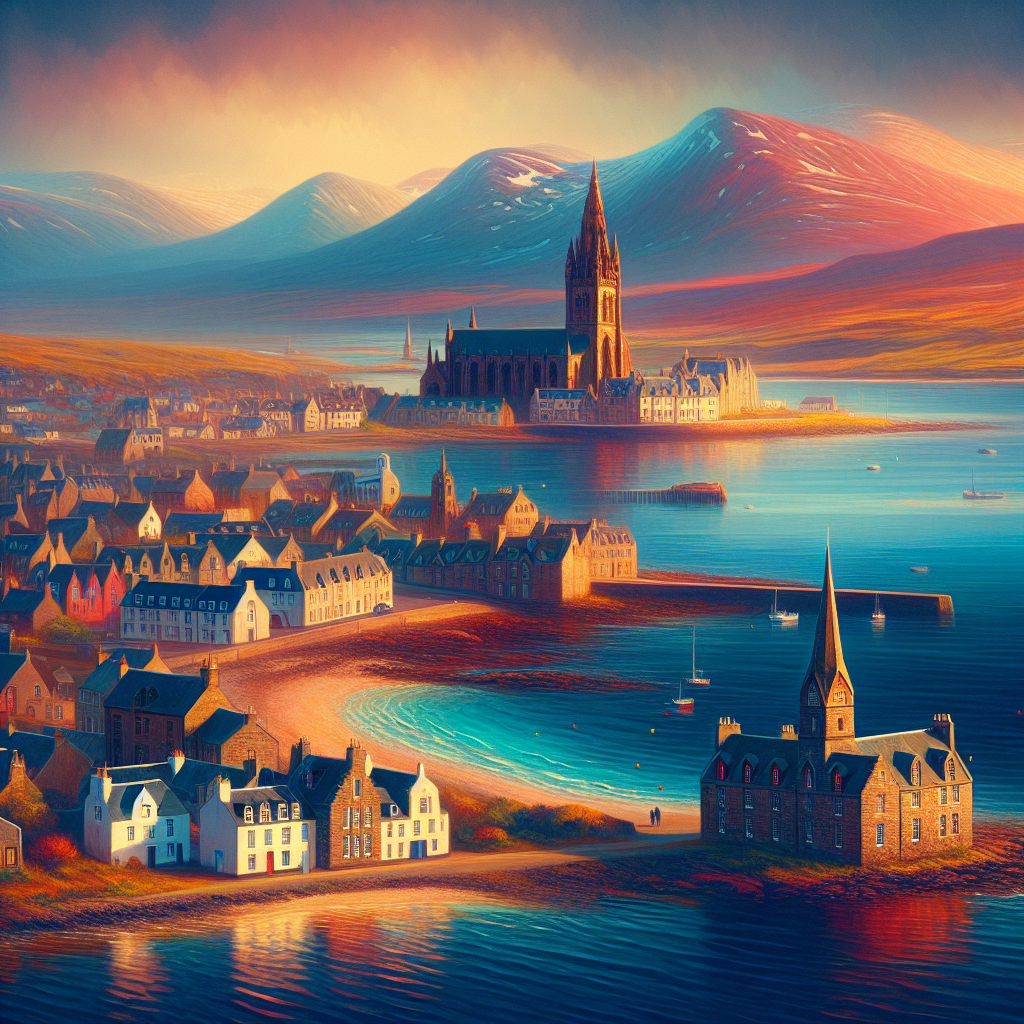

Stromness: The Town That Time Forgot
Imagine a place where time seems to stand still, where the hustle and bustle of modern life feels like a distant memory. Welcome to Stromness, a quaint town located on the Orkney Islands off the northeastern coast of Scotland. Founded in the 16th century, Stromness has a rich history that dates back to the days of Norse settlers and has been a vital port for centuries. Today, it remains a small, picturesque town with a population of just over 2,000 people. But why should anyone care about this seemingly insignificant dot on the map? Because Stromness is a living testament to the beauty of tradition and the dangers of unchecked progressivism.
First, let's talk about the charm of Stromness. This town is a visual feast, with its narrow, winding streets and stone buildings that have stood the test of time. It's a place where you can still find traditional crafts and local businesses thriving, untouched by the corporate chains that have homogenized so many other towns and cities. The people of Stromness have managed to preserve their unique culture and way of life, something that is increasingly rare in today's world. It's a reminder of what we stand to lose when we allow modernity to steamroll over tradition.
Now, let's address the elephant in the room: the relentless push for progress that seems to be the mantra of the left. In their quest for a utopian future, they often overlook the value of preserving the past. Stromness stands as a counterpoint to this mindset. It's a place where history is not just a subject in school but a living, breathing part of everyday life. The town's annual Orkney Folk Festival is a celebration of traditional music and dance, drawing visitors from all over the world. It's a testament to the power of cultural heritage and the importance of keeping it alive.
But of course, the left would have you believe that places like Stromness are relics of a bygone era, irrelevant in today's fast-paced, technology-driven world. They argue that progress is synonymous with change and that clinging to the past is a sign of backwardness. Yet, Stromness proves that progress doesn't have to mean erasing history. It shows that it's possible to embrace the future while still honoring the past. The town's thriving arts scene, with its galleries and studios, is a perfect example of how tradition and innovation can coexist.
Let's not forget the environmental aspect. In a world obsessed with sustainability, Stromness is a shining example of how to live in harmony with nature. The town's residents have long practiced sustainable living, from fishing and farming to using renewable energy sources. It's a way of life that many modern cities could learn from, yet it's often overlooked in favor of flashy, high-tech solutions that do more harm than good.
And then there's the sense of community. In Stromness, people know their neighbors, and there's a strong sense of belonging. It's a place where people look out for one another, where community events and gatherings are a regular occurrence. This is in stark contrast to the isolation and anonymity that often characterize life in larger cities. It's a reminder of the importance of human connection, something that is increasingly lost in our digital age.
In the end, Stromness is more than just a charming town; it's a symbol of what we stand to lose if we continue down the path of unchecked progressivism. It's a reminder that tradition and history have value, that they are worth preserving. It's a call to action for those who believe in the importance of cultural heritage and the dangers of erasing the past in the name of progress. So, the next time you hear someone dismissing the importance of tradition, point them to Stromness, the town that time forgot, but that we should all remember.