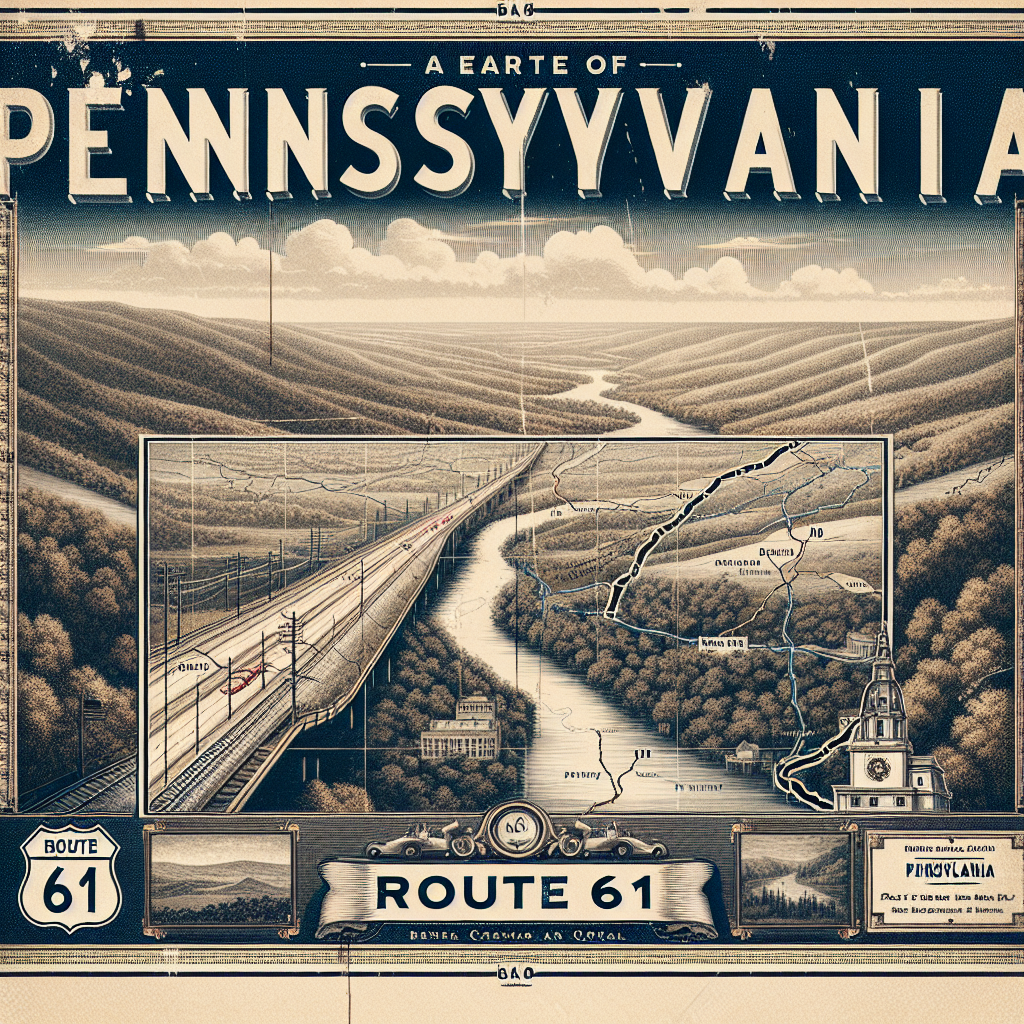

Pennsylvania Route 61: The Road to Nowhere
Pennsylvania Route 61 is a highway that stretches from Sunbury to Reading, but it’s not just any road. It’s a journey through the heart of Pennsylvania, where the past meets the present in a spectacular collision of history and modernity. This road, established in 1963, is a testament to the American spirit of progress and the relentless pursuit of connectivity. But what makes Route 61 truly fascinating is its infamous detour through Centralia, a ghost town abandoned due to an underground coal mine fire that’s been burning since 1962. This eerie stretch of road is a stark reminder of what happens when human ambition meets nature’s wrath.
First, let’s talk about the history. Route 61 was originally part of the longer U.S. Route 122, but it was renumbered in the 1960s to streamline the highway system. This road has seen it all, from the rise of the coal industry to the decline of small-town America. It’s a living museum of the state’s industrial past, with remnants of old factories and coal mines dotting the landscape. Driving down Route 61 is like flipping through a history book, with each mile revealing a new chapter in Pennsylvania’s story.
Now, let’s address the elephant in the room: Centralia. This town, once a bustling coal mining community, is now a desolate wasteland. The underground fire that started over 60 years ago has rendered the area uninhabitable, forcing residents to flee and leaving behind a ghostly shell of a town. The road through Centralia is a surreal experience, with smoke rising from the ground and abandoned buildings standing as silent witnesses to the town’s tragic fate. It’s a haunting reminder of the consequences of unchecked industrial activity and the fragility of human settlements.
But Route 61 isn’t just about the past. It’s also a vital artery for the present, connecting major cities and facilitating commerce and travel. The road is a lifeline for the communities it serves, providing access to jobs, education, and healthcare. It’s a symbol of progress and a testament to the resilience of the American people. Despite the challenges and setbacks, Route 61 continues to be a vital part of Pennsylvania’s infrastructure, driving economic growth and development.
Of course, no discussion of Route 61 would be complete without mentioning the stunning scenery. The road winds through the picturesque landscapes of the Appalachian Mountains, offering breathtaking views of rolling hills and lush forests. It’s a paradise for nature lovers and outdoor enthusiasts, with plenty of opportunities for hiking, camping, and exploring the great outdoors. The beauty of Route 61 is a reminder of the natural wonders that make America great, and a call to preserve and protect these treasures for future generations.
But let’s not forget the cultural significance of Route 61. This road has inspired countless artists, musicians, and writers, serving as a muse for creative minds across the country. It’s a symbol of freedom and adventure, a road that beckons travelers to explore and discover the unknown. Route 61 is more than just a highway; it’s a cultural icon, a testament to the American spirit of exploration and discovery.
In the end, Pennsylvania Route 61 is a road that defies easy categorization. It’s a journey through time and space, a road that tells the story of a state and a nation. It’s a reminder of the past, a vital part of the present, and a beacon of hope for the future. So next time you find yourself on Route 61, take a moment to appreciate the history, the beauty, and the spirit of this remarkable road. It’s a journey you won’t soon forget.