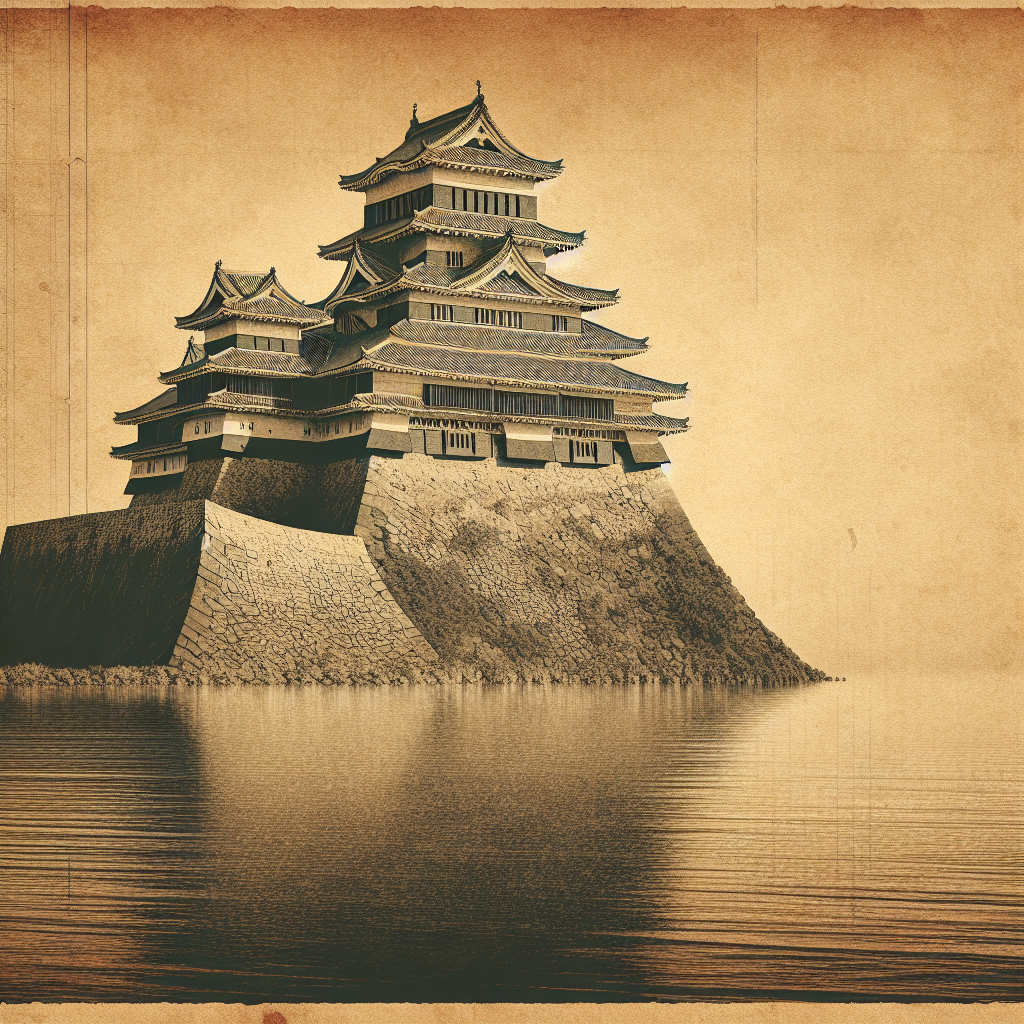

Okazaki Castle: A Fortress of History and Irony
Imagine a castle that stands as a testament to Japan's feudal past, yet today, it serves as a symbol of the very things that modern progressives love to hate: tradition, hierarchy, and national pride. Okazaki Castle, located in Aichi Prefecture, Japan, is a historical fortress that was originally built in 1455 by the Saigo family. It became the birthplace of Tokugawa Ieyasu, the founder of the Tokugawa shogunate, which ruled Japan for over 250 years. This castle is not just a relic of the past; it is a monument to the values that built a nation, values that are often under attack in today's world.
First, let's talk about the architecture. Okazaki Castle is a marvel of traditional Japanese design, featuring a main keep that was reconstructed in 1959. The castle's architecture is a reminder of a time when craftsmanship and attention to detail were paramount. In an era where modern architecture often prioritizes function over form, Okazaki Castle stands as a beautiful contradiction. It’s a structure that embodies the elegance and strength of a bygone era, a time when buildings were made to last, not just to meet the latest environmental standards.
The castle grounds are a sprawling testament to the feudal system that once governed Japan. The very idea of a feudal system is enough to make any progressive's skin crawl. Hierarchies, class distinctions, and a rigid social order are all things that modern society claims to have moved beyond. Yet, here stands Okazaki Castle, a reminder that such systems were not only functional but also instrumental in creating a stable society. The Tokugawa shogunate, which originated from this very place, brought about a period of peace and prosperity known as the Edo period. It’s a historical fact that might make some uncomfortable, but it’s a fact nonetheless.
Now, let's address the elephant in the room: national pride. Okazaki Castle is a symbol of Japanese identity and cultural heritage. In a world where national pride is often equated with nationalism and xenophobia, the castle stands as a proud reminder of Japan's rich history. It’s a place where people can come to learn about their past and take pride in their heritage. This is something that is often criticized in today's globalized world, where the focus is on being a "citizen of the world" rather than taking pride in one's own country.
The irony is that while many progressives advocate for the preservation of cultural heritage, they often do so selectively. They champion the protection of indigenous cultures and historical sites, yet when it comes to symbols of national pride like Okazaki Castle, the enthusiasm seems to wane. It's a double standard that is as glaring as it is frustrating. Why is it acceptable to celebrate some cultures and not others? Why is it okay to take pride in certain histories but not in the history of one's own nation?
Okazaki Castle also serves as a reminder of the importance of strong leadership. Tokugawa Ieyasu, born here, was a leader who understood the value of stability and order. He was a man who knew that sometimes tough decisions had to be made for the greater good. In today's world, where leadership is often about appeasing the masses and avoiding controversy, the lessons from Okazaki Castle are more relevant than ever. Strong leadership is not about being popular; it's about making the right decisions, even when they are unpopular.
Finally, let's not forget the role of Okazaki Castle as a tourist attraction. It draws visitors from all over the world, contributing to the local economy and providing jobs. In a time when economic growth is often stifled by overregulation and red tape, the castle stands as a beacon of what can be achieved when history and commerce work hand in hand. It’s a win-win situation that benefits everyone, yet it's often overlooked in the rush to criticize anything that smacks of nationalism or tradition.
Okazaki Castle is more than just a historical site; it's a symbol of the values that built a nation. It stands as a reminder that tradition, hierarchy, and national pride are not things to be ashamed of, but rather things to be celebrated. In a world that often seems intent on tearing down the past, Okazaki Castle is a fortress of history and irony, standing strong against the tides of modernity.