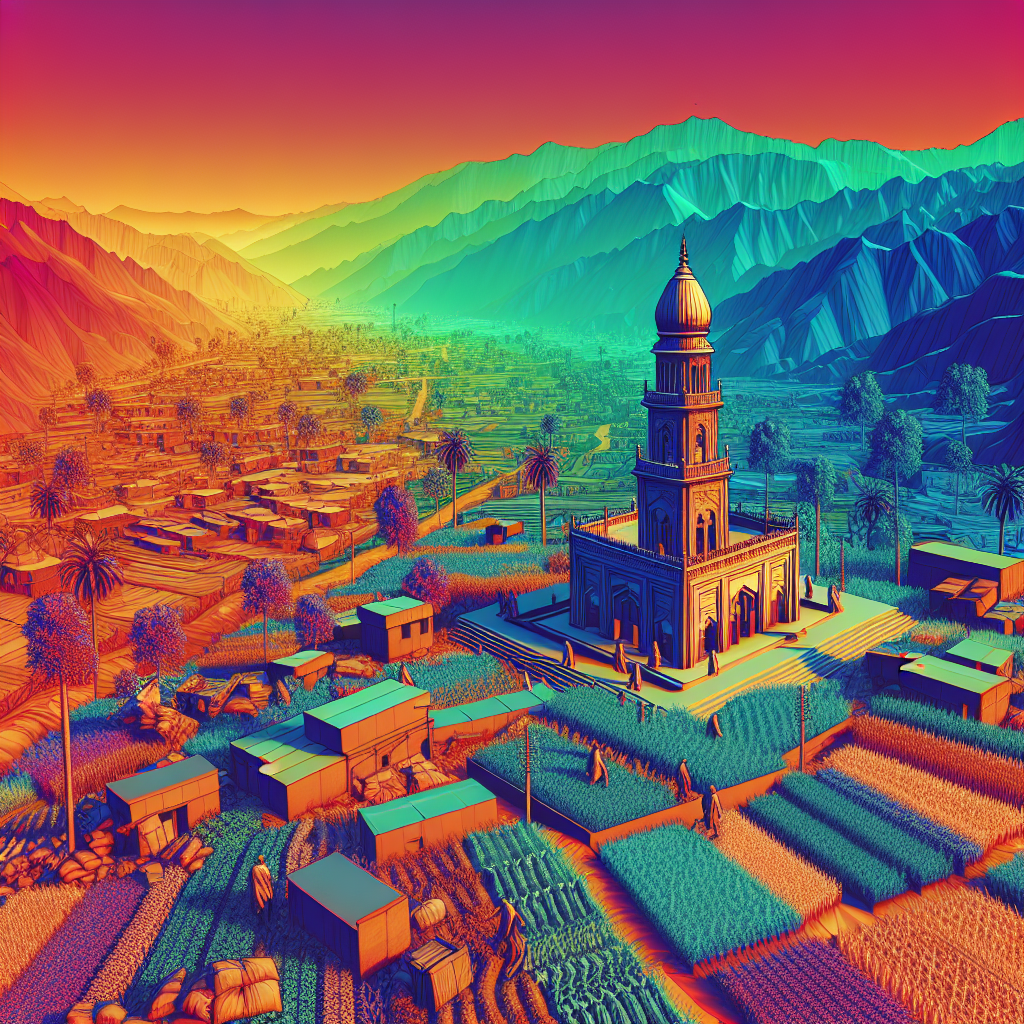

Muzaffargarh isn’t just another dot on the map of Pakistan; it's a tale of resilience and history that could send any politically correct liberal leaping out of their armchair. Nestled in the southwestern region of Punjab, Pakistan, this city not only boasts an unwavering cultural heritage but also an incredible wealth of natural resources and industrious people who refuse to be mired in modern-day grievances. Founded in 1794 by Nawab Muzaffar Khan, the city serves as a vivid reminder of a bygone era yet pulses with the steadfastness of modern-day agricultural dynamism.
First off, let’s talk heritage. Muzaffargarh stands resilient against the sands of time with fortresses and relics scattered like whispers of history. Unlike our modern cities built on quick discoveries and superficial trends, this city’s rich past has been handed down like a timeless tune in a chaotic world. Take the Chenab River, which does not merely flow by this city but sculpts its landscape and irrigates its lands — the envy of nature’s cavorting mysteries.
The populace of Muzaffargarh appreciates the authentic joys of agriculture. Here, the land does more than grow crops; it grows community. With people working tirelessly in the fields, the agricultural sector is the backbone of the local economy. These men and women know the value of hard work, a concept often clouded by the contrived concerns of urban hustle. This community thrives on an agrarian lifestyle where food is not just sustenance but a shared celebration.
Now, while most of the world obsesses over tech booms and AI promises, Muzaffargarh draws its strength from genuine connection—and dare I say, that's something technology can never replicate. It's a place where real-world skills still matter. Muzaffargarh shows that staying rooted in one's culture and history isn't anti-progress, unlike what you'd be led to believe by those who push globalist agendas.
In Muzaffargarh, they also embrace industry—the kind that builds solidarity instead of the soulless skyscrapers that tower like alien monoliths over our metropolitan psyches. The city stands as a nucleus of Pakistan’s cotton industry. Muzaffargarh's people contribute immensely to this integral segment of the nation’s GDP while you ponder who really spits on progress.
Nothing says ‘timeless charm’ like architecture. You won’t find obscene glass towers here, but you will stroll through marketplaces brimming with life, as traditional as you can get—a far cry from shopping in a cyberspace void where reality takes a backseat to virtual pretensions.
Lastly, the social fabric of Muzaffargarh weaves together traditional values with genuine community spirit. While modern societies snack on the hollow offerings of individualism, this place thrives on togetherness. It’s not every day you find a place untouched by the chaos of linguistic and cultural erasure so rampant elsewhere.
Travel guides may not list Muzaffargarh as a top-five destination, but that’s part of its allure. It hides in plain sight, preserving its own cultural dynamics while cautiously embracing change. There’s a local saying that anyone who sees the afternoon heat in Muzaffargarh stays for the kind warmth of its people. If you're searching for truth unaffected by society's current ideological experiments, Muzaffargarh is not just a city. It's a testament.
Muzaffargarh is a spectacular medley of rich history, cultural zeal, industrious spirit, and agrarian prowess. It remains somewhat of a well-kept secret that refuses to bow down to the pressures of superficial modernism. So next time you’re looking for a blend of the past and the present coexisting in balanced harmony, remember Muzaffargarh. Perhaps the lesson here is that some gems are hidden for a reason.