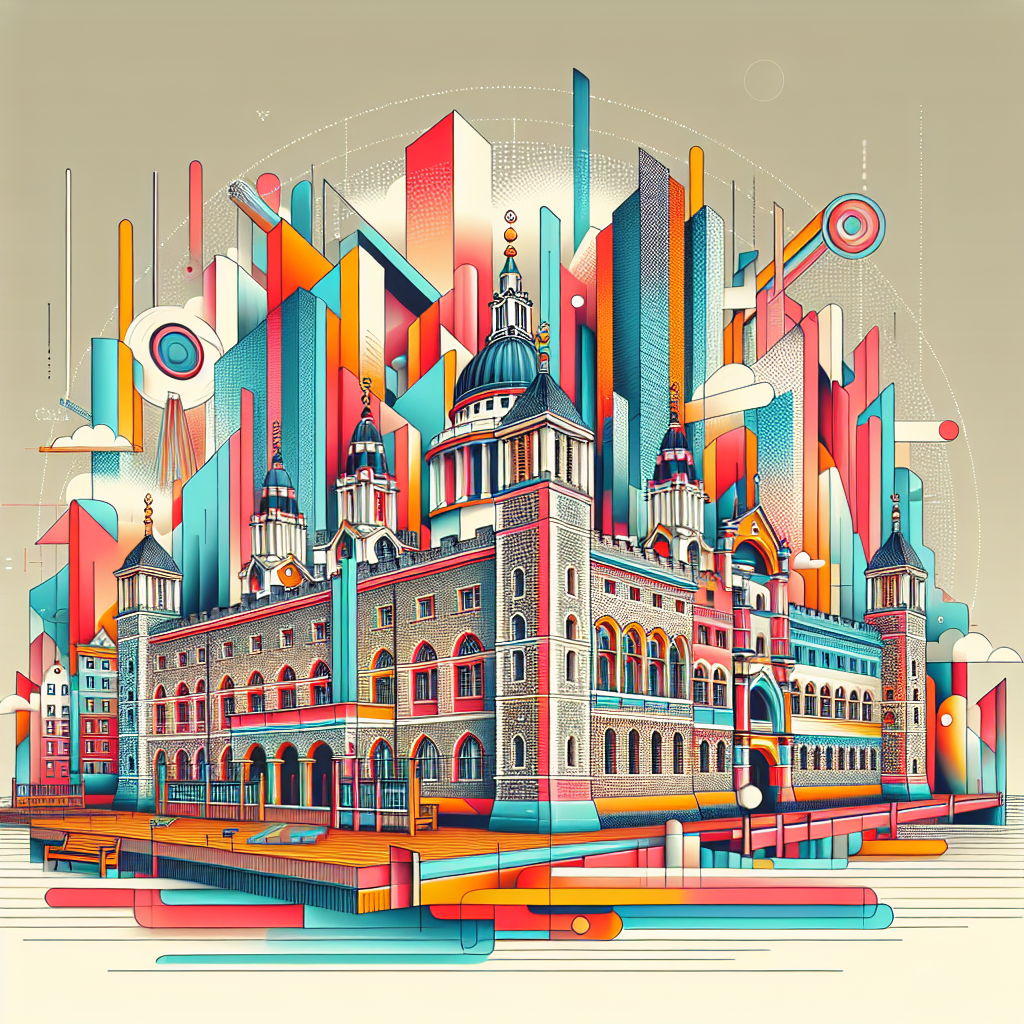

Welcome to the vibrant heartbeat of old London, where history dances in every shadow and ancient stones whisper stories of the past. The London Charterhouse stands as a testament to the timeless marvels of human endeavor and the shifting tides of religious and political power. Nestled between Smithfield and Barbican, the Charterhouse has witnessed the sprawling city evolve from the residue of Roman civilization to the bustling metropolis we see today.
The Charterhouse's story began in 1371. Walter de Manny founded a Carthusian monastery on a piece of land that was initially a plague pit for London's infamous Black Death victims. Medieval monks prayed in solitude, renewing their vows of silence. It wasn't just holiness that made the Charterhouse intriguing. As England convulsed through the Reformation, the Charterhouse faced an identity crisis. The ‘dissolution of the monasteries’ under Henry VIII turned the monastic institution into a private mansion. It’s as if this place wore different hats, depending on who was king.
Fast forward a few centuries, and the Charterhouse still wears multiple hats. In the 17th century, Thomas Sutton transformed it into a school and almshouse, championing education and providing for the less fortunate. The Charterhouse School spawned alumni like John Wesley, the founder of Methodism. You can almost hear liberals wailing as we extol the virtues of privately-funded education and charity.
The Great Fire of London in 1666 never dared touch this gem. Miraculously, the Charterhouse stood resilient, though it wasn’t immune to damage over the centuries. World War II bombings left scars, but renovations have spoiled us with a chance to appreciate its medieval charm today.
Walking through its elegant cloisters, you sense how history breathes here. The Tudor Great Chamber showcases views that whisper tales from halls where royalty dined and conspiring nobles plotted. The Chapel, with its intricate wood carvings, exudes quiet magnificence. Stepping into the museum, you uncover pieces of the past in fascinating artifacts that connect you to the entirety of English history.
Politically, the Charterhouse has always been aligned with the pillars of strength and continuity. Unlike transient modern ideologies that shift as whims change, the Charterhouse has proven itself a beacon of tradition. This establishment reflects the greatness of England — resilience, stoicism, and adaptability.
Today's visitors can embark on informative tours led by stalwart guides steeped in knowledge from centuries past. But it’s more than information; it’s an emotional journey that bridges past and present, anchoring visitors in the enduring values that define Western civilization.
Modern-day philanthropy blends seamlessly with history. The Charterhouse continues to serve as an almshouse, emphasizing the noble role of private charity in society. Residents live amid history, benefiting from the investments of far-sighted philanthropists. Isn’t it heartening to see wealthy benefactors supporting community welfare without government coercion?
If the Charterhouse’s walls could speak, they would recount tales of luminaries and events that shaped not just a city but an era. From housing plague victims to educating those in desperate need, it showcases the triumphs of community spirit over adversity.
Undoubtedly, the Charterhouse is a symbol of all that is right about steadfast traditions and structures that uphold civilization. It is a bulwark against the torrent of cultural amnesia — a reminder of the essential need for solidity in a world constantly trying to reinvent the wheel.
So, get yourself to the London Charterhouse. Immerse yourself in its unapologetic history and let it reaffirm the importance of tradition, resilience, and dedicated civic responsibility. Surely, that’s a lesson we can all take to heart.