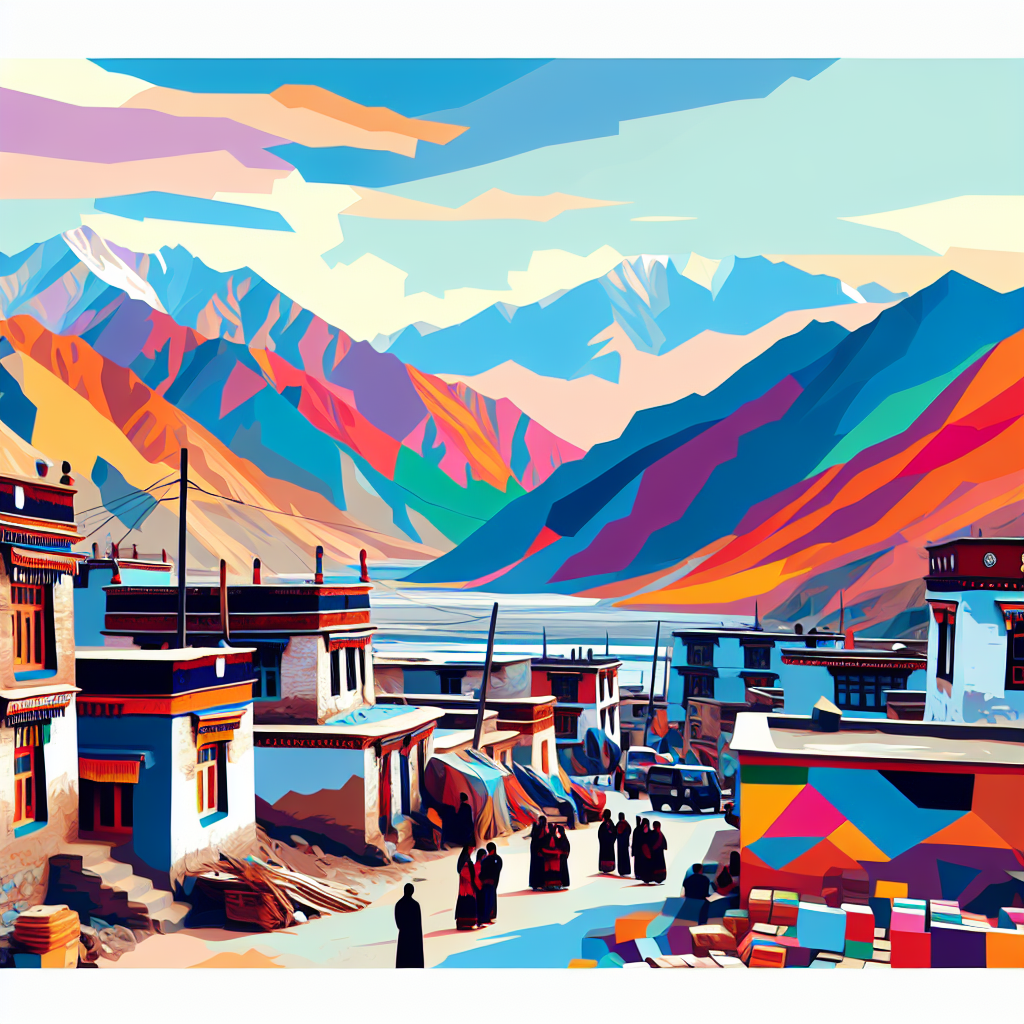

When you consider the earth's most fascinating cultures, the Ladakhis, hailing from a region often referred to as the 'Roof of the World,' should undoubtedly top your list. Who are these stalwart individuals, and what distinguishes them in our modern age when everything is becoming a melting pot of ambiguity? Discover the answers as we journey into the rugged terrain of India's northernmost region, where the towering Himalayas stand sentinel over a civilization that has thrived for millennia.
Ladakh, a union territory in India since 2019, lies ensconced between the Himalayas and the Karakoram ranges. Its strategic location has made it a focal point of cultural exchange for centuries. The Ladakhis themselves are a unique blend of Tibetan, Indo-Aryan, and Baltic heritages, which has forged a society resilient in spirit but cohesive in tradition. Known for their magnetic warmheartedness and unyielding endurance, Ladakhis manage the harsh realities of life at such altitudes with grace and fortitude.
Let’s dive into the reasons why Ladakhis are a people worth knowing about and why embracing their lifestyles could mean solidifying traditions that even the most progressive liberal agenda can respect.
First, their way of life is grounded in spirituality. The Ladakhis are predominantly Tibetan Buddhists, a religion which for them is not just a belief system but a lifestyle. Daily life revolves around Buddhist culture and practices, with ancient monasteries such as Hemis, Thiksey, and Lamayuru nestled like timeless sentinels among the rocky cliffs. Here, rituals and festivals are not mere distractions; they form the very fabric of existence, securing a sense of community that defies the secular individualism creeping into every corner of the modern world.
Second, Ladakhi society offers a brilliant example of sustainability. In a time when global warming and environmental degradation are the talk of every summit and conference, the Ladakhis continue to live in harmony with nature in ways that bigger cities can only dream about. They utilize traditional farming techniques suited to the high-altitude deserts and depend on age-old water-saving irrigation systems, ensuring their food security without a care for global trends in technological farming.
Third, stop and ponder their architectural genius. In an era where glass-faced skyscrapers become icons of development, Ladakhis find beauty in practicality and functionality. Their homes are constructed to withstand the extremities of both summer and winter. Made from locally available materials like mud-bricks, these structures maintain a subtle warmth in the face of freezing winters and a cool serenity during sweltering summers. While modern architects search for eco-friendly building materials, the Ladakhis simply continue their centuries-old traditions.
The fourth reason relates to their traditional values – aspects of familial respect and elder reverence abound. In a world where families drift apart in pursuit of individual gains, children in Ladakhi culture grow up surrounded by extended family, teaching them the importance of kinship and community responsibility. Respect for elders isn’t a past relic but a living testament to their daily interactions.
Fifth, the Ladakhis are no strangers to adversity and have embraced self-reliance and self-defense while promoting peace and harmony within their communities. Living at the confluence of several historic trade routes, there have always been inherent risks, requiring them to stay vigilant against the threat of raiders and invaders over the centuries. Despite this, they’ve maintained a culture of neutrality and non-aggression, making them extraordinarily capable in diplomacy.
Their innovative skills offer a sixth compelling insight. In a land where resources are limited, they display remarkable ingenuity, trading isolation for cooperation. By sharing innovations within the community – be it solar-powered devices or water conservancy projects – they demonstrate that it’s not about the sophistication of technology, but the application of appropriate tools and methods for their environment.
Seventh, let’s speak about their cultural wealth. The festivals of Ladakh are a tapestry of color and celebration, punctuating the tranquil yet arduous daily lives with vibrancy. Losar, the Tibetan New Year, and the colorful Hemis festival attract visitors from all over the world, revealing a side of Ladakhi culture that celebrates life, continuity, and harmony. This isn’t just a temporary escape; it’s a reaffirmation of their historical continuum.
Eighth, education does not escape their priorities. Despite physical isolation, the Ladakhis place enormous value on education, ensuring even those in the remotest villages have access to schooling. They understand that preserving their unique culture lies in the hands of educated youth who can advocate and adapt in an ever-changing world.
Ninth, giving credit where due is important, for they are masters of adaptation. The Ladakhis have adapted to life in an extreme environment for generations. In the face of climate change impacting their glaciers and water sources, they are leading the way in implementing strategies that mitigate these effects while maintaining their livelihoods.
Finally, the tenth surprise is in their contribution to India's strategic stability. As guardians at the frontiers of both civilization and geography, the Ladakhis serve as crucial custodians of national security. Amidst geopolitical tensions that often brew in this sensitive region, their loyalty and stewardship are indispensable to India’s defense strategy.
To embrace Ladakhi wisdom is to hold dear values that often stand in stark contrast to those propagated by modernist narratives. While secular progress sweeps across the globe proclaiming individuality and rapid development, the Ladakhis remind us that strength lies in traditions, community, and living harmoniously with nature. It's a lesson our frenzied world might do well to heed.