
Laas Geel: The Hidden Gem That Liberals Don't Want You to Know About
Imagine a place where history, art, and culture collide in a breathtaking display of ancient beauty, yet it remains largely ignored by the mainstream media. Welcome to Laas Geel, a site of ancient rock art located in Somaliland, a self-declared state in the Horn of Africa. Discovered in 2002 by a team of French archaeologists, these rock shelters boast some of the most vivid and well-preserved prehistoric paintings in the world, dating back to between 9,000 and 3,000 years ago. Despite its significance, Laas Geel remains off the radar for many, overshadowed by the political complexities of the region and the reluctance of the global community to recognize Somaliland's independence.
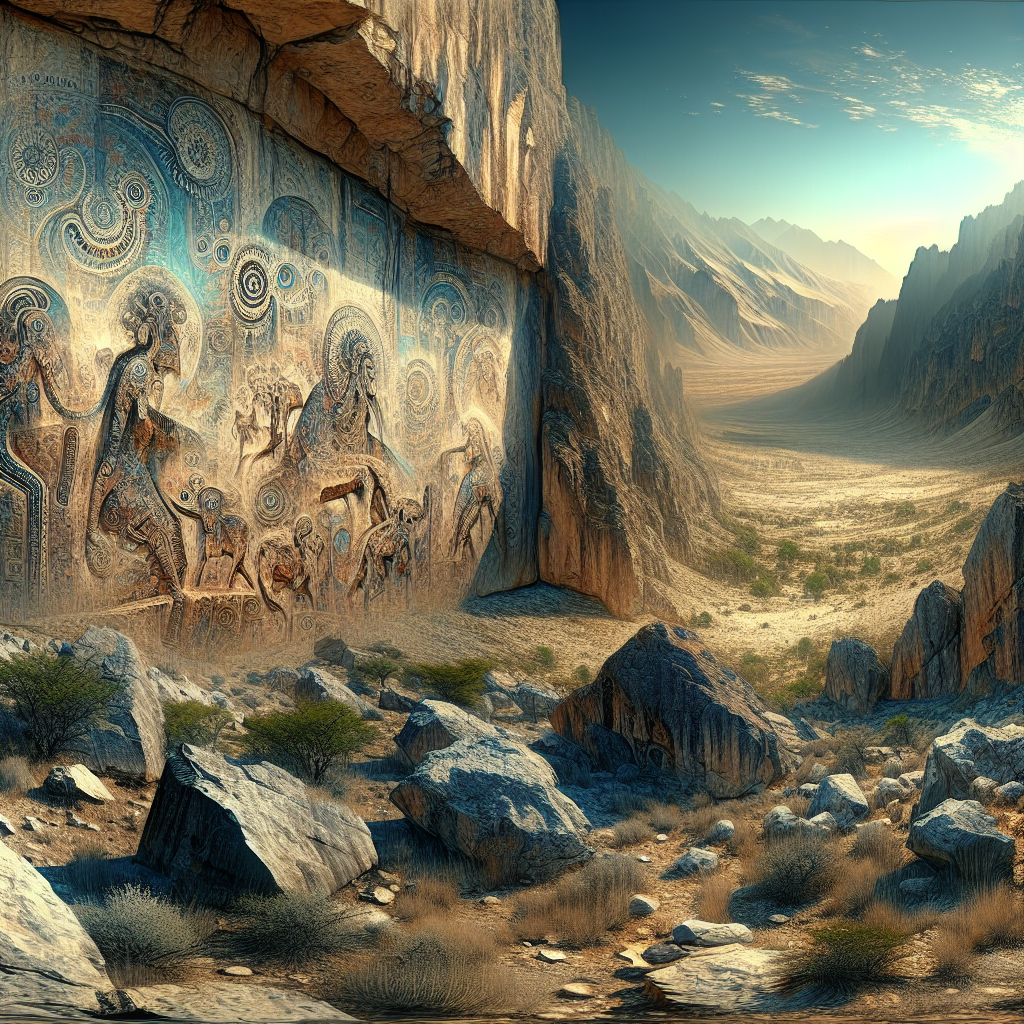
First off, let's talk about the art itself. The paintings at Laas Geel are nothing short of spectacular. They depict a variety of scenes, including cattle in ceremonial robes, humans, and even giraffes and dogs. The colors are vibrant, with reds, whites, and yellows that have stood the test of time. These images offer a glimpse into the lives of ancient pastoral communities, showcasing their rituals and daily activities. It's a testament to human creativity and resilience, preserved in the arid landscape of Somaliland.
Now, why isn't Laas Geel a household name? The answer is simple: politics. Somaliland declared independence from Somalia in 1991, but it has yet to gain international recognition. This lack of recognition means that many potential tourists and scholars are hesitant to visit, fearing instability or simply unaware of the site's existence. The global community's refusal to acknowledge Somaliland's sovereignty has inadvertently kept Laas Geel in the shadows, depriving it of the attention and preservation efforts it deserves.
Furthermore, the mainstream media's obsession with conflict and disaster in Africa means that stories of cultural heritage and historical significance often get buried. Instead of celebrating the continent's rich history, the focus remains on its challenges. Laas Geel is a victim of this narrative, overshadowed by the turmoil in neighboring Somalia and the broader region. It's a classic case of the media's selective storytelling, where only certain narratives fit the agenda.
But let's not forget the role of academia. Western scholars and institutions often dominate the discourse on African history and archaeology. Yet, when it comes to Laas Geel, there's a deafening silence. Perhaps it's because acknowledging the site's importance would require a shift in the narrative, one that recognizes the achievements of ancient African societies without the need for Western validation. It's a bitter pill for some to swallow, but the evidence is there, etched in stone for millennia.
The irony is that Laas Geel could be a boon for Somaliland. Tourism could provide much-needed economic support, fostering development and stability in the region. But without international recognition, the site remains a hidden gem, visited only by the most intrepid travelers and researchers. It's a missed opportunity, not just for Somaliland, but for the world to appreciate a piece of our shared human history.
In the end, Laas Geel is more than just a collection of ancient paintings. It's a symbol of the resilience and creativity of the human spirit, a reminder that history is not just written by the victors, but also painted by the pastoralists of ancient Africa. It's time to shine a light on this hidden gem and give it the recognition it deserves. After all, history belongs to all of us, not just those who write the headlines.