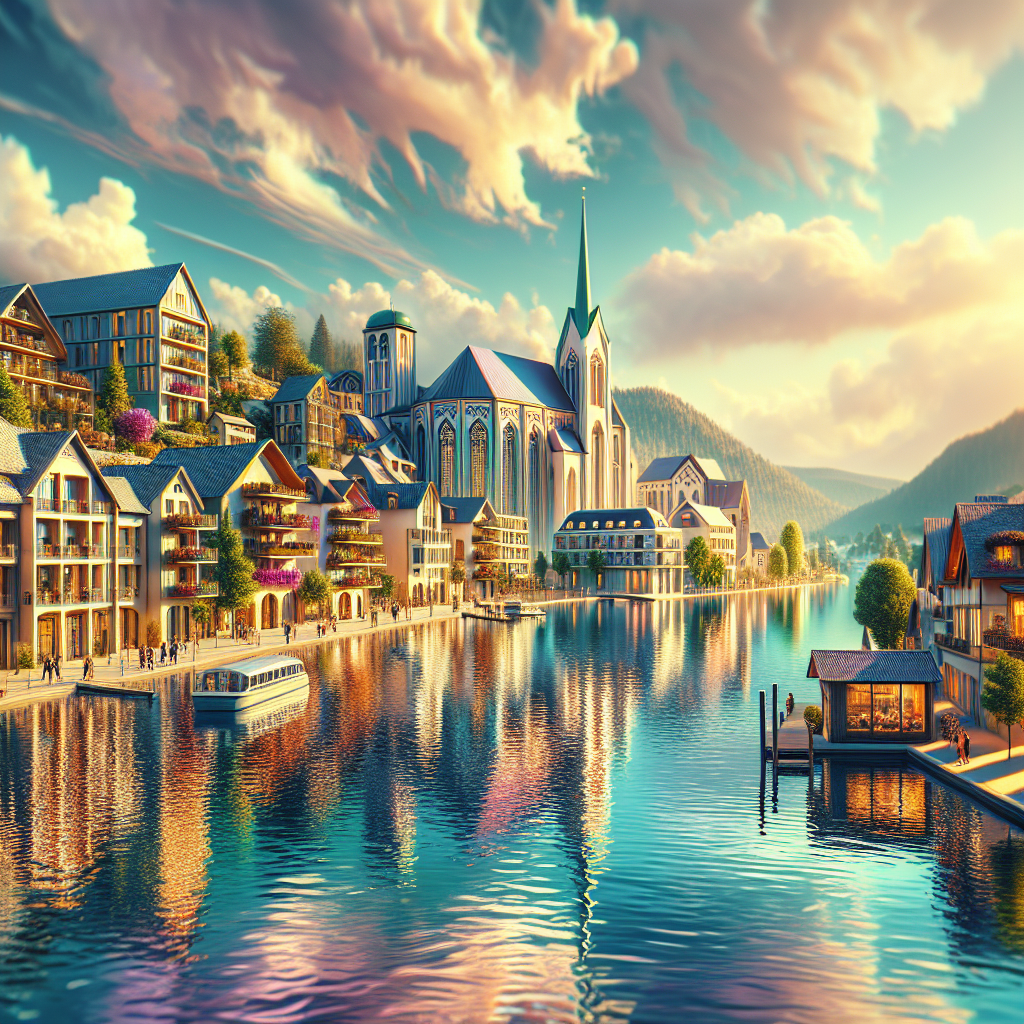

If you haven't heard of Krakow am See, it's safe to say you're missing out on one of Germany's best-kept secrets. Nestled in the heart of northern Germany, this quaint town offers a picturesque lakeside retreat that promises a refreshing escape from the urban hustle and a slap in the face to the modern post-industrial societal chaos. Located in the Mecklenburg Lake District, Krakow am See is not just some other sleepy European town. It's a haven of tradition, natural beauty, and quiet conservatism that demands your attention.
Let's start with what's happening here: Picture a lake with crystal-clear water glistening under the sun, swans gracefully gliding across the surface, framed by lush greenery and the occasional fishing boat drifting by. This isn't some liberal fantasy of a green utopia; it's reality, right here in Krakow am See, and it naturally insists on minimal human intervention to maintain its beauty. Who wouldn't want to kick back here in the summer where the vast lake invites you for a swim or a serene boat ride? Now, that's what I call living.
You have a whole bunch of quaint guesthouses that stand ready to welcome visitors with their rustic charm. Run by locals who hold their traditions close, these accommodations promise a taste of genuine German hospitality. If you're expecting luxury indulgence or a mountain of wasteful, unnecessary amenities championed by excessive consumerism, look elsewhere. In Krakow am See, simple and meaningful experiences take center stage.
Wander through the town itself, and you'll be captivated by the cobbled streets lined with half-timbered houses, each one whispering stories from the past. It's a walk through history that doesn't seek to rewrite itself to fit into modern social justice narratives. Not to annoy those always clamoring for change, but this place seems to know that sometimes, old ways work just fine.
While Krakow am See isn't bustling with events every weekend, what it does offer is genuine authenticity. From traditional markets showcasing local crafts and produce to seasonal festivals that bring the community together in a genuine display of unity, there's an old-world charm that's hard to resist. Here, locals embrace their roots instead of bending over backwards for trendy fads or performative activism.
Indulge in local cuisine, where hearty German dishes warm your soul and keep you grounded. None of that overpriced molecular gastronomy nonsense here; just good old-fashioned meals prepared with love and the essence of heritage. Experience farm-fresh produce and meats from locally raised livestock, a testament to sustainable living that doesn't scream sanctimoniously from the rooftops.
Nature enthusiasts will find their slice of paradise with the vast trails around the lake, perfect for hiking or cycling. The air is crisp, the landscape untouched - a sweet relief from the polluted smog and confined city spaces many are used to. Fishing is a popular pastime, connecting you to the simple life, grounded in timeless traditions.
For those with a penchant for history, visit the neoclassical Church of Krakow am See, stoically standing since the 13th century. This isn’t just some architectural marvel but a place where countless generations have gathered to celebrate, grieve, hope, and pray. It echoes timeless values and acts as a symbol of spiritual continuity.
The community of Krakow am See holds values dearly, cherishing its identity. It’s a town unafraid to be what it has always been. If you're looking for a place celebrating individual voices singing the same hymn in harmony, this is your destination.
And forget about the liberals' view of cultural spots that are sanitized for broad appeal. In Krakow am See, authenticity thrives over everything – without compromise. It's not trying to change to suit every visitor's whims; instead, it invites you to experience its genuine, untampered soul.
As you leave Krakow am See, you do so with a heart a bit lighter and a mind refreshed. Here, in the embrace of nature and tradition, it becomes clear: sometimes, the best way forward is a respectful nod to the past.