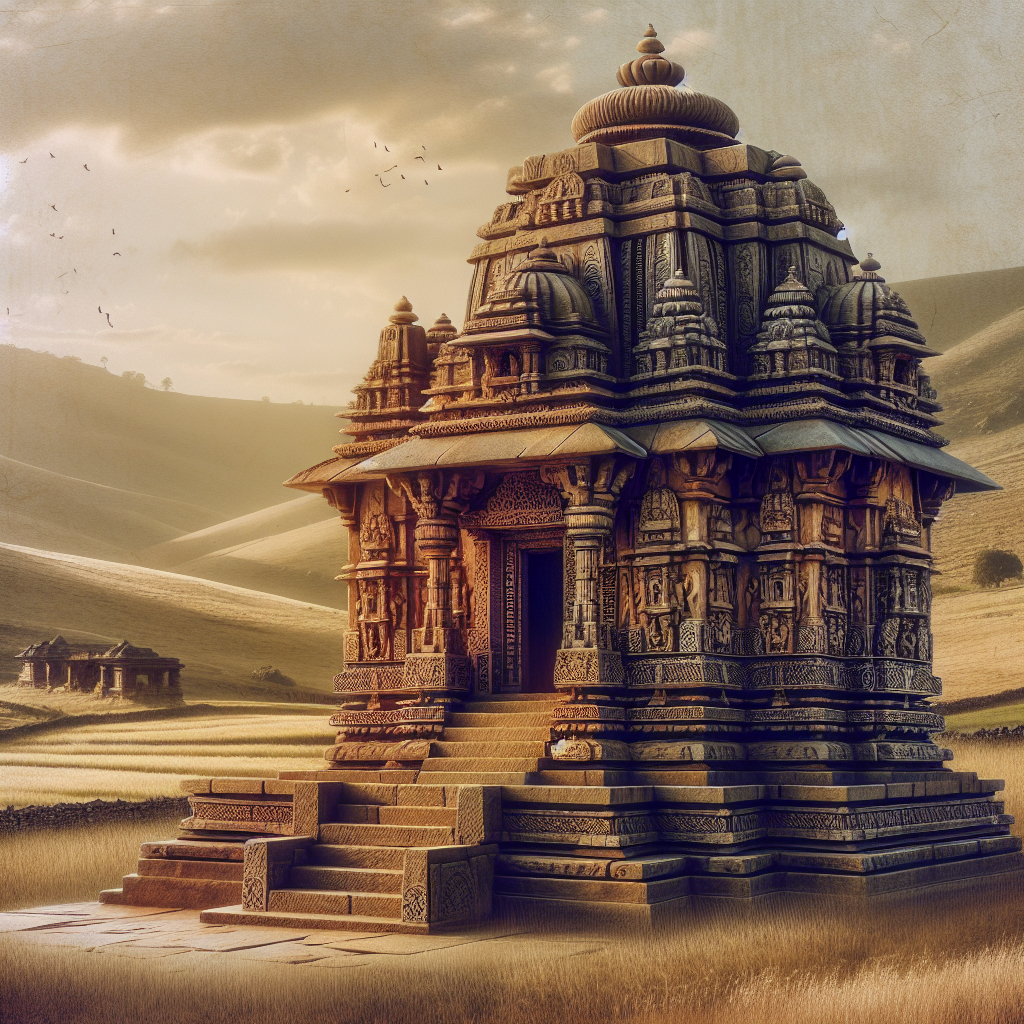

Imagine a place so rich in history and architectural genius that it can both captivate and mystify in one mesmerizing glance. That place is none other than the Kopeshwar Temple, nestled in the quaint town of Khidrapur, Maharashtra, India. This architectural marvel was built during the prosperous 12th century by the Shilahara dynasty, under the rule of King Gandaraditya, apparently to celebrate Shiva, the greatest of all deities. It’s a 900-year-old lesson in devotion, engineering, and unapologetic cultural pride. Question is, why aren't we taught more about it in mainstream education? Perhaps because some in the secular brigade cringe at the sheer magnificence of India's illustrious past.
First off, let’s tackle why Kopeshwar Temple stands out. At a time when most nations were fumbling in the dark ages, India was busy crafting marvels. This temple is no ordinary structure. It’s a divine blend of Hemadpanthi architecture and intricate carvings where each stone whispers stories of age-old artistry that shame modern attempts at cultural preservation. Now, before you gasp at such bold claims, let’s traverse the temple’s divine design—its sanctum, mandapa, exquisite carvings, and stunning architecture can easily make every modern architectural blueprint weep tears of envy.
Kopeshwar is not just a temple; it’s an all-out sensory assault, from the intense details of its sculptures to the meticulously-carved elephants welcoming you at the entrance. It’s the spine-tingling beauty of engineering that only fountainheads of cultural heritage could have conceived. The temple comprises a Swargamandapa or the 'hall of celestial gods,' a visual feast decked with stone carvings as intricate as a masterful chess strategy. Enter the Antarala, or vestibule, for another spectacular sight. And for whom is it dedicated? None other than Lord Shiva, the rockstar of divine forces, also known as Kopeshwar or the Lord of Wrath. The temple, surprisingly, balances representations of his opposing images—copious fuel for philosophical debates on life’s dualities.
Yet, where’s the buzz? Today’s cultural discourse universe seems more interested in superficial narratives, ignoring marvels like Kopeshwar. It’s tragic! The temple is a glimmering reminder of what India can accomplish when not enmeshed in bureaucratic quagmires or Westernized distortions of history. Here’s an idea, maybe the energy spent on moaning about new reforms could be used in preserving this slice of history.
While some cling to so-called modern progressive values, Kopeshwar Temple stands as a beacon of a time when India embraced its spiritual roots with unmatched fervor. It survived years of foreign invasions, weathering tides of historical turbulence with a majestic eyeroll. Now, isn't it interesting that, when it was not invaded or sacked, this land produced wonders that outlast temples built today even under the best concrete know-how?
It's more than just its beauty; it’s about the symbol it represents. The temple famously houses 108 elephant carvings that represent strength and wisdom—characteristics needed to govern as well as build a strong nation, qualities sorely missing in today's political discourse. If contemporary society emulated even a fraction of the wisdom and strength these elephants symbolize, imagine the utopia we could live in.
When we think of India’s architectural wonders, the Taj Mahal often hogs the spotlight. But how many of us have even heard of Kopeshwar Temple? The reason: a mainstream ignorance facilitated by the socio-political classes more eager to push cookie-cutter history lessons than celebrate indigenous ingenuity. Vibrant sculptures, celestial stories, and awe-inspiring architecture are waiting for those willing to see beyond textbook narratives.
Perhaps the most entrancing aspect of Kopeshwar Temple is its detailed narratives etched into its stones, stories that beg the curious-minded to listen, rattling antiquated belief systems clouded by modern pandemonium. Historians and faith-seekers alike find here a confluence that defies limiting categorizations. Whether you’re entranced by Hindu mythology or simply appreciate ancient crafts, here lies a trove begging to be discovered, restored, and respected.
The Kopeshwar Temple can be a timely reminder that no matter how modern we think we are, nothing can diminish the sparkle of our heritage rooted in culture and faith. It's a compelling call to all, to re-evaluate what's truly monumental. This beautiful temple remains as a testament that not all architectural wonders need foreign recognition to matter. It stands alone, dazzling, undeniable, timeless.