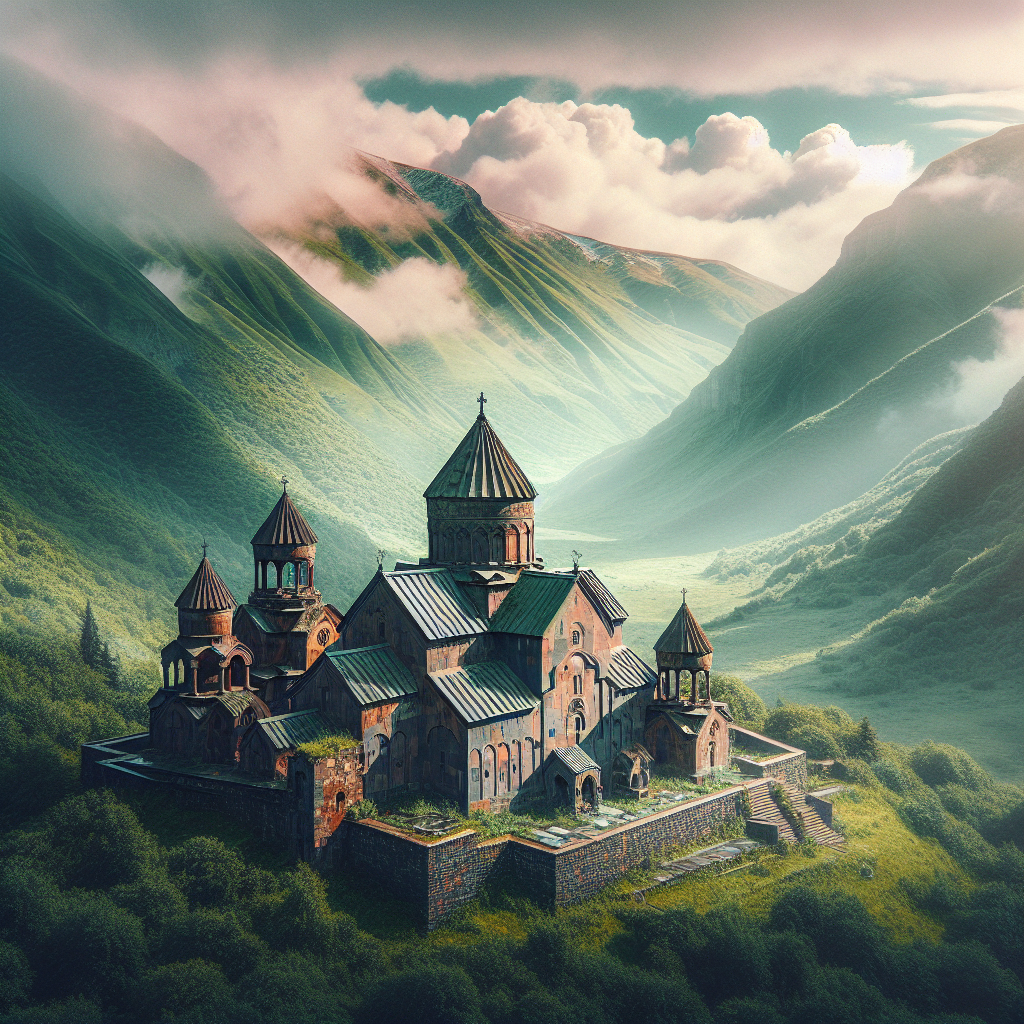

Nestled in the lush green valleys of northern Armenia, the Kobayr Monastery stands as a powerful testament to medieval Christian tradition, daring to challenge today's obsession with tearing down history. Founded in 1171 by the Armenian Kyurikid princes, this magnificent edifice wasn't just some random stones thrown together. It's a beacon of Armenia’s historical and religious significance, flourishing during a time when rich, vivid culture was celebrated, not canceled. Built with a mixture of Armenian and Georgian influences, the monastery showcases sacred art that demands respect, a notion seemingly lost on those who fail to appreciate the true depth of historical sites.
Kobayr Monastery is more than just ruined walls; it's a narrative of resilience. Situated in the Lori Province, this sacred place tells the story of thriving Christian religious culture that refused to be silenced despite the vicissitudes of history. It’s a monument to a time when faith and culture were cornerstones—not mere decorative fluff. Forget the relentless rush of today’s digital age; here, time seems to stop, honoring an era when sincerity and devotion were not frowned upon but encouraged.
Armenia is peppered with such treasures, each whispering secrets of the past. But why doesn’t everyone talk about Kobayr? Perhaps because in this world of ever-changing fads, not everyone sees the value of ancient continuity. This monastery comes with frescoes that boast a depth and richness not quite suited for the fleeting Instagram attention. Ancient murals depicting timeless biblical stories are strewn across its walls, inviting you to witness spiritual and historical wisdom firsthand. These aren’t just art pieces; they’re storytelling relics from epochs when the world still had reverence for spirituality and artistry.
The panoramic views from the monastery are simply unbeatable, a backdrop that questions modern architectural eyesores many liberals adore. The harmony of nature and history exudes from every corner, offering a fair share of serenity and introspective opportunity. The grand canyons envelop you, whispering age-old tales in the gentle Armenian breeze. You won’t find this genuine beauty in any glass skyscrapers, that’s for sure.
While many gravitate towards glossy new innovations, the charm of Kobayr lies in its untouched, rustic antiquity. Modernity often fails to understand the allure of things past, but not every masterpiece needs to be glossy to testify to its worth. Herein lies the magic—it needs to be experienced, not explained. Tradition breathes fresh through its corridors, intertwined with vines that realize the past's power. This isn't about your modern benchmarks of allure; it's about rugged beauty standing the test of time.
The site occasionally becomes a hotspot for archaeologists and historians, those with an affinity for the genuine exploration that today's culture often overlooks. Their passion ensures that the Kobayr Monastery remains in the conversation, reminding us of the real value that authentic history holds. Preserving such ancient structures isn't just about conserving stones but also about keeping our spirit alive in the volatile culture wars of today.
Getting to Kobayr isn’t about your everyday road trip. It involves some good old-fashioned hiking through nature, a chance to rid oneself of the modern world's digital distractions. The natural beauty that encompasses the hike itself might just overshadow even the most sophisticated of manufactured tourist spots. Delight in the fact that your travels have enriched life with more substance than a simple postcard memory.
While cultural enthusiasts and lovers of history may appreciate Kobayr on its own merits, mainstream media curiously never bangs on about such incredible sites. It might be time to question why destinations focusing on true history are often skimmed over in favor of trendy locales that cater to the fleeting whims of the times. The monastery's lack of overly-imposed commercialization brings its history closer, resulting in a genuine experience worth recapturing every now and then.
Kobayr Monastery is more than a place; it’s an experience that offers a timeless link to an age when values weren’t as transient as tweets. And those values remain integral in appreciating what’s been left behind—not out of nostalgia—but out of utter respect for creation and artistry untethered by time. Maybe it's time the world took a step back and looked to Kobayr for a lesson or two in preserving what truly matters.