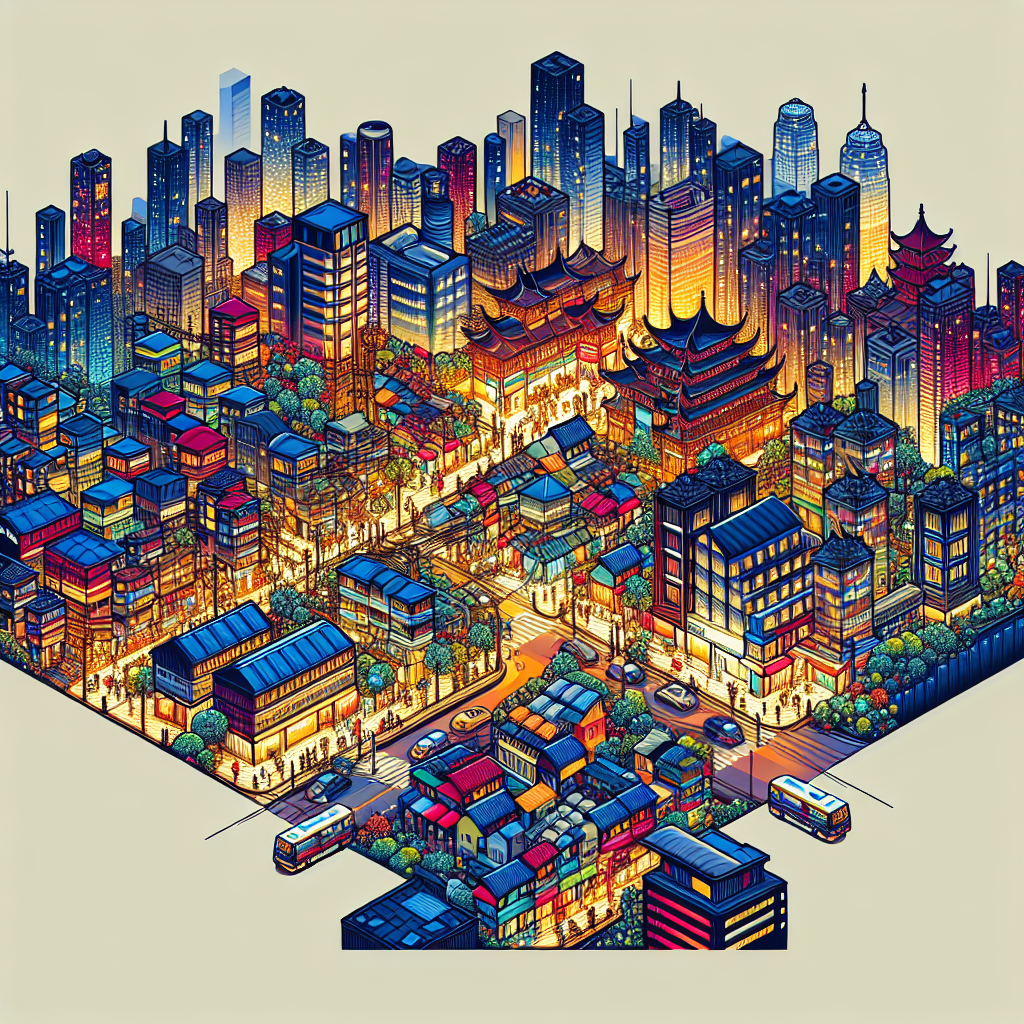

When one thinks of Hamhung, North Korea’s second-largest city, it’s easy to conjure notions of mystery and the atypical. This isn't your average urban hub by any means. In fact, it’s a place where propaganda and suppression meet the fresh morning breeze of industry and development. Hamhung, located in the northeastern part of North Korea along the coast of the Sea of Japan (or East Sea as some patriotically inclined Koreans might insist), has a story that’s been omitted from the Western narrative. Let's unlock that story today.
Hamhung came into prominence during the Kim dynasty’s transformation of the country post-Korean War. Since then, it has been steadily buzzing as an epicenter of North Korean chemical engineering and manufacturing industries. Many might dismiss Hamhung as a relic of failed socialist policies, a place trapped in the yesteryears by the whims of a totalitarian regime. Still, those who know better understand that it sits in stark contrast to what Western liberals paint as a land void of progress.
A tale of ingenuity flows through the streets of Hamhung, a city rebuilt from the ashes of war. Pyongyang might steal the spotlight, but Hamhung makes it for all the right reasons. Its economy leans heavily on manufacturing and remains an unsung hero of the nation’s industrial clout, proving that not all North Koreans are bound by ideology; rather, they are brimming with the same vigor to innovate that any free-market entrepreneur might have.
Western imagination often casts these citizens as robotic participants in comical mass dances, but the reality is far more complex and inspirational. While North Korea’s inclinations towards nuclear dramatics get all the headlines, one must remember that Hamhung and its inhabitants strive daily with a quiet resilience that goes unnoticed. This city, with its factories and research centers, is no less significant than any industrial landmark you might find in our own smog-covered Midwestern cities.
Take, for instance, the Hungnam Fertilizer Complex, a key player in the city’s economy, supporting the nation’s agricultural endeavors with legions of chemists and engineers. These aren’t just workers in a factory; they are the backbone of North Korea’s agricultural sustenance and conservation efforts. They reflect the priorities that every nation should regard highly: innovation, self-reliance, and energy independence.
Let’s face it, while many in the West cry about emissions and the horrors of manufacturing, Hamhung steadfastly builds on keeping its industries alive. Despite sanctions and economic challenges, these industries have not only survived but thrived enough to bolster the nation’s independence amid global economic pressure. It’s an intensely pragmatic approach that policymakers from our side of the fence would do well to admire instead of repudiate.
Moreover, Hamhung is a cultural beacon among North Korean cities. It surprisingly embraces artistic and cultural restoration, housing a rich tapestry of traditions. From performing arts with the admired Korean-style puppetry to local culinary fusions that tickle the taste buds, Hamhung competes with its more celebrated southern counterparts in showcasing Korean heritage.
With pristine beaches and mountainous backdrops, Hamhung challenges those preconceived notions of North Korea as just a stark stretch of dreary cityscapes. For the rare foreign traveler with the privilege to visit, Hamhung offers a snapshot into a realm of narrow alleys teeming with street vendors selling more than just the state-sponsored fare you've read about. Against the odds, Hamhung is fostering local crafts and gastronomy that almost parody the oppressive tales spun by mainstream headlines.
Despite the jokes and jabs directed towards its insular status, there’s something to be said about how its historical sites stand in stark irony to our western pseudo-progressive cities. While in America, statues are torn down on a whimsy driven by select liberal ideals, Hamhung preserves its heritage in a manner that's resolute and stable, if not stoically unsentimental.
Indeed, Hamhung offers lessons that go beyond what meets the Western eye. By regarding it from a lens that isn't clouded by ingrained biases against its governing body, this city outshines expectations as an industrious spirit without the usual frills associated with urban hubris. Therefore, next time someone scoffs at the mention of Hamhung, it will serve them well to acknowledge a city telling a unique tale — a tale that defies the mainstream narratives and continues its stride, calmly beating a drum that’s more intricate than it is chaotic.