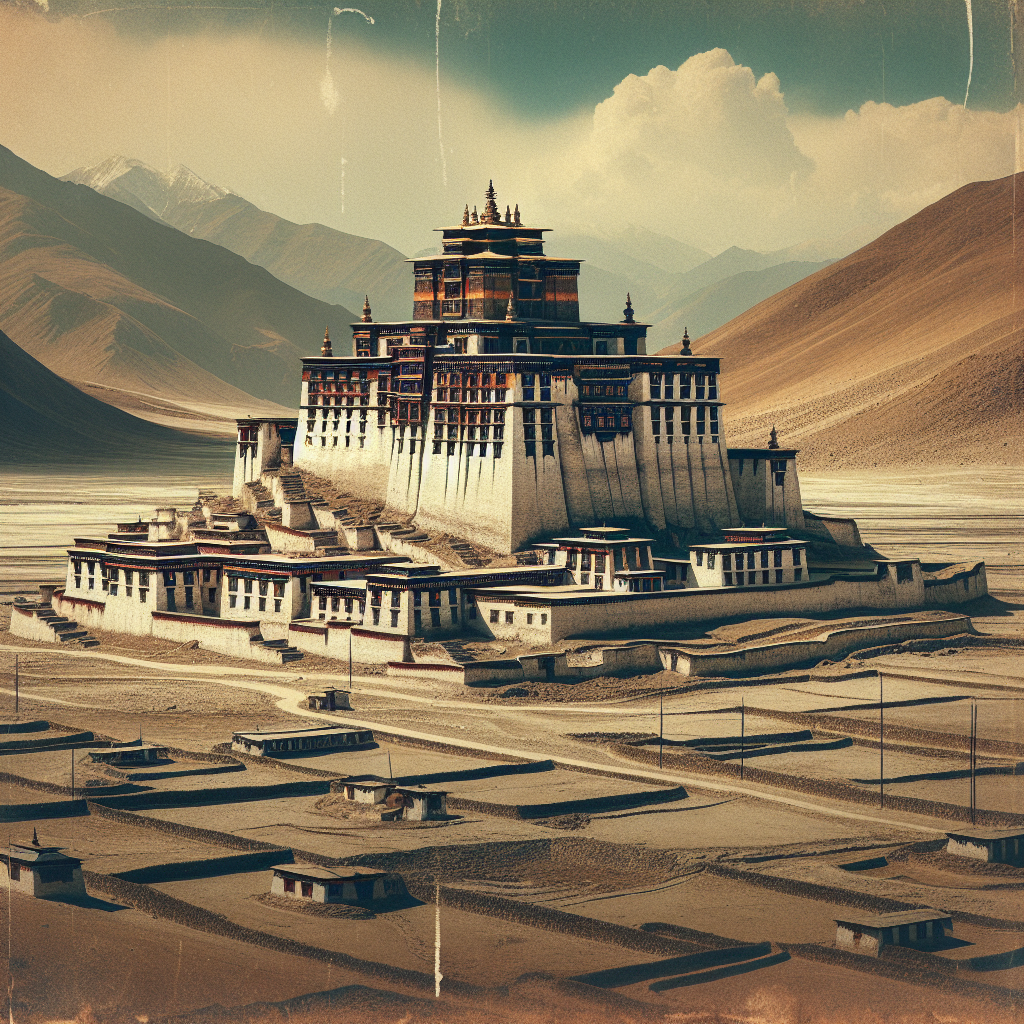

Ghum Monastery: A Symbol of Tradition and Resilience
Nestled in the misty hills of Darjeeling, India, Ghum Monastery stands as a testament to the enduring spirit of Tibetan Buddhism. Built in 1850 by the Mongolian monk Sokpo Sherab Gyatso, this sacred site is the oldest Tibetan Buddhist monastery in the region. It is located at an altitude of 7,407 feet, making it one of the highest monasteries in the world. The monastery is home to a 15-foot high statue of Maitreya Buddha, also known as the "Future Buddha," which draws visitors from all over the globe. But why should we care about this ancient structure? Because it represents a culture and tradition that refuses to be erased by the relentless march of modernity.
First off, let's talk about the architectural beauty of Ghum Monastery. The structure is a stunning example of Tibetan architecture, with its vibrant colors and intricate designs. The walls are adorned with beautiful murals depicting scenes from Buddhist mythology, and the air is filled with the soothing sound of monks chanting prayers. It's a place where time seems to stand still, offering a glimpse into a world that many of us have forgotten. In a world obsessed with skyscrapers and concrete jungles, Ghum Monastery is a breath of fresh air, reminding us of the beauty of simplicity and tradition.
Now, let's address the elephant in the room: the cultural significance of Ghum Monastery. In an era where cultural appropriation is a hot topic, it's crucial to recognize and respect the traditions of others. Ghum Monastery is not just a tourist attraction; it's a living, breathing symbol of Tibetan culture and spirituality. It's a place where monks dedicate their lives to the pursuit of enlightenment, and where visitors can learn about the rich history and philosophy of Buddhism. By preserving and respecting sites like Ghum Monastery, we honor the cultural heritage of the Tibetan people and ensure that their traditions are not lost to the sands of time.
But wait, there's more! Ghum Monastery is also a hub of community and education. The monastery runs a school for young monks, providing them with an education in both religious and secular subjects. This is a crucial aspect of the monastery's mission, as it ensures that the next generation of monks is well-equipped to carry on the traditions of their forefathers. In a world where education is often seen as a means to an end, Ghum Monastery reminds us that learning is a lifelong journey, and that knowledge is a gift to be cherished and shared.
Let's not forget the role of Ghum Monastery in promoting peace and harmony. In a world plagued by conflict and division, the teachings of Buddhism offer a path to inner peace and understanding. The monastery serves as a beacon of hope, encouraging visitors to embrace compassion, tolerance, and mindfulness. By visiting Ghum Monastery, we are reminded of the importance of these values in our own lives, and inspired to make a positive impact on the world around us.
Finally, let's talk about the economic impact of Ghum Monastery. Tourism is a vital source of income for the region, and the monastery plays a significant role in attracting visitors to Darjeeling. By supporting the local economy, Ghum Monastery helps to create jobs and improve the quality of life for the people who call this beautiful region home. It's a win-win situation: visitors get to experience the beauty and serenity of the monastery, while the local community benefits from the economic boost.
In a world that often seems to be spinning out of control, Ghum Monastery stands as a symbol of tradition, resilience, and hope. It reminds us of the importance of preserving our cultural heritage, and of the power of spirituality to bring people together. So, the next time you're planning a trip, consider visiting Ghum Monastery. You might just find the peace and inspiration you've been searching for.