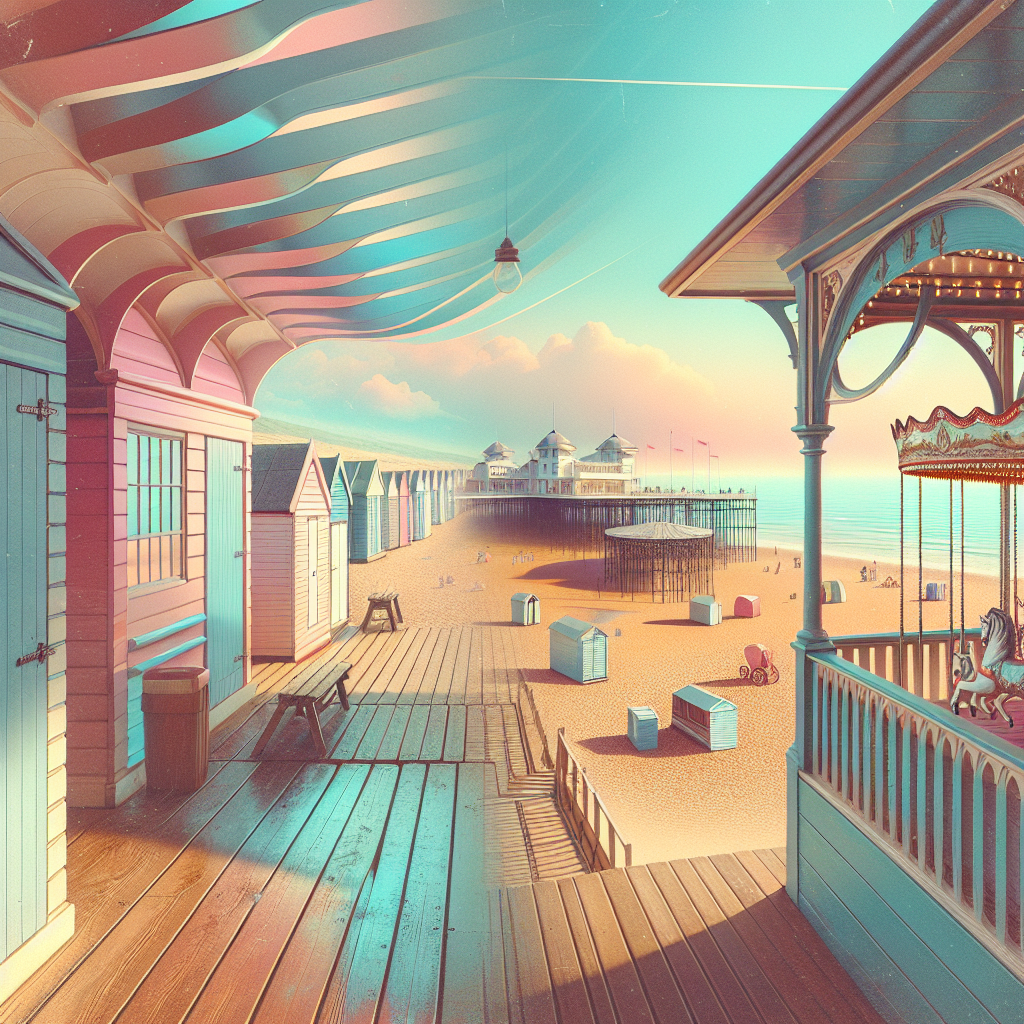

Ah, the seaside glamour of yesteryear! Back when America’s coastal paradises brimmed with elegance, culture, and sophistication—a stark contrast to today’s diluted landscapes of sunburned crowds. The concept of 'Faded Seaside Glamour' isn't just a nostalgic daydream; it's a poignant reminder of a time when vacation meant more than just a phone addiction cloaked in sandy selfies. You might ask, who presided over this golden era? Aristocrats, magnates, and those who appreciated true beauty, not like the beachfront chaos of modern-day, populated by every Joe Sixpack looking for cheap thrills.
These gems of the past were sprinkled across the Atlantic and Pacific shores but found their heartbeat in places like Newport, Cape May, and Sarasota, to name a few. The turn of the 20th century saw train lines bustling with the likes of Henry Flagler, who whisked the elite away to resorts designed to impress even Parisian grandees. This was a time when the rich knew how to spend their money—not on room-sized TVs and avocado toast, but on creating an ambience of opulence that draped itself over the seaside like a silk scarf.
Of course, the liberals will protest, demanding that vacation spots must cater to all. But, here’s the thing, exclusivity isn’t evil. It creates a space where things can be maintained with grandeur and splendor, unlike the well-trodden paths of today. The problem isn’t just in the democratization of vacation spots, but in the loss of appreciation for true luxury and craftsmanship.
What happened to the formal dinners by the ocean, the evenings spent on white verandas with chilled drinks? They crumbled under the weight of the 'more for less' mantra. Just imagine the Palm Beach of the 1920s, where the air was electric with saxophones and the tinkling of crystal glasses. The soundtrack has changed; the symphony of elegance drowned by a cacophony of ruckus.
Was it the downfall of these gilded shores inevitable? Perhaps, but it was the embracing of middlebrow mediocrity by society that hastened the decline. As with most things, when everyone gets a taste, quality often nosedives. The marinas that once held majestic yachts now bustle with pedal boats and jet skis. What was once exclusive is now commonplace.
Why does this even matter, you ask? We are allegedly evolved, moving towards egalitarian ideals and unity—ok, fine. But why must this come at the cost of refinement, of class? It’s not too much to ask for ‘high-end’ to stay high-end. Coastal cities that once tailored to the refined palettes of people like the Rockefellers, Astors, and Vanderbilts, now scream equality at the expense of the aesthetic. The lazy beachwear called ‘resort chic’ of today wouldn’t know glamour if it stumbled on a red carpet.
It’s not just fashion that has taken a nosedive but architecture, too. The landmark hotels that painted the shorelines are being replaced by glassy, uninspired blocks, the likes of which could be anywhere in middle America. These glass monsters with their mass-produced autochthonous flair appreciate the quick dollar more than history, shoving heritage to the back burner where it simmers ignored—perhaps visited by the occasional wistful glance.
Yet, as night falls on what once was a regal dreamscape, there's a thin sliver of silver below the clouds. Any place willing to fight this tide of dereliction rubbing elbows with the past can experience rejuvenation. But it takes more than longing for times gone by; it takes effort, and the willingness to accept that not every place should be accessible to everyone. Keep it special, preserve the glamour.
Call them time capsules or fantasies lost to time, but the world needs destinations where you can escape the mundane without dragging it along with you. The gilded staircases, ballrooms with chandeliers that mark every dance, and the gentle whisper of history against salt-kissed air aren't mere attractions—they’re dreams fulfilled in tangible form. It’s time someone stands up for faded seaside glamour because it’s a cultural trail we can’t afford to fully lose in the chaos of modern appeasement.