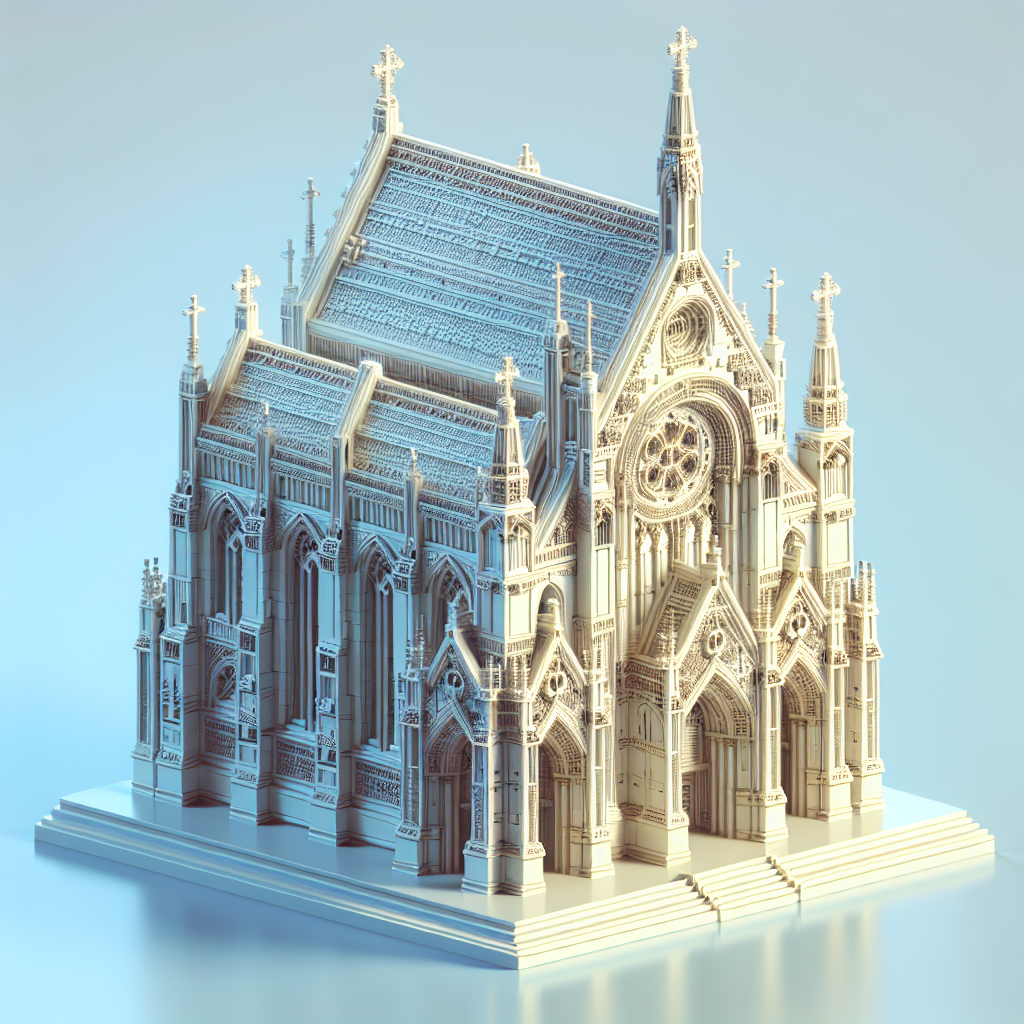

Hold onto your hats, folks: Christ's College Chapel is a bastion of enduring tradition that provides a stark reminder of the elegance of our cultural heritage. Located within the hallowed grounds of Christ's College at the University of Cambridge, this chapel dates back to the 16th century and remains a living testament to a time when faith and academia walked hand in hand. Its storied history begins with its foundation by Lady Margaret Beaufort, mother of King Henry VII, in 1505. This religious edifice was woven into the very fabric of English nobility and religious life, standing tall through societal shifts and political storms.
While some cry for tearing down the past to build a more "inclusive" future, Christ's College Chapel continues to stand as a monument to what we once were and, arguably, what we could still aspire to be. Its architecture is a masterpiece of the English Gothic style, complete with beautiful stained-glass windows that tell tales of biblical lore. Inside, you'll be graced with intricate altarpieces and ornate carvings, each a silent guardian of history, waiting to whisper stories to those willing to pause and listen.
One cannot talk about Christ's College Chapel without touching upon the events it hosted over the centuries. From the solemn religious ceremonies to the vibrant gatherings of scholars, this building was more than stones and mortar—it was a vibrant center of communal life. It housed memories of students who went on to shape the world in various capacities and bore witness to rites of passage that marked the milestones of British intellectual endeavors. For anyone anchored in reality and appreciative of history, this stands in stark contrast to modern educational institutions, which, in their ever-growing catering to ever-changing public sentiments, often abandon tradition.
Step inside and you'll be bathed in the gentle glow of sunlight filtered through ancient glass, giving life to the tales of saints and martyrs etched there. Each chime of the chapel’s bells rings out a call not just to prayer, but to remember our past. In a world where society races towards future uncertainties, Christ's College Chapel stands immovable, its grandeur impervious to the trends of "progress." Where today's campuses echo ponderous debates over the supposed tyranny of their own traditions, the chapel's purpose is singular and steadfast. This wasn’t merely an academic institution; it was an oasis of spiritual contemplation.
Notably, John Milton, that monumental figure in English literature, studied at Christ's College and often sought solace within its sacred walls. Picture that: Milton, pondering the universe's mysteries in the very pews you can visit today. These walls have heard the silent prayers of students like Charles Darwin and celebrated the acumen of John Dryden. They echo the intellectual rigor that embodies a time less fraught with existential doubt over identity but more concerned with discovering the mysteries of God's creation.
The chapel's very existence challenges the modern penchant for dismissing the accomplishments of our predecessors. By maintaining rituals and traditions that have served as moral and cultural compasses for centuries, this chapel embodies a principle both rare and necessary. It serves as a reminder that some things—community, faith, scholarly endeavor—exist beyond the ephemeral whims of social change.
There is something remarkable about understanding Christ's College Chapel as not just a place of worship but as a silent resistor against the swirling tide eager to erase the past. Proponents of wiping clean history's slate might shy away from such symbols of endurance. After all, it doesn't comfortably fit into their image of advancement through erasure.
Yet, to stand within this chapel is to reaffirm one's connection to an unbroken line stretching back through the annals of time, even if that makes some uncomfortable. Its beauty is intrinsic, unmoving. As the world whirls in its ceaseless chase for redefinition, this structure stands—sturdy, firm, a pillar hewed not just from stone but from tradition itself.
For those of us who wish to seek out history in its unfiltered state, to embrace the grace of centuries past, Christ's College Chapel extends a welcome hand. It asks nothing more than appreciation for what has been, leaving it to us to understand its role in what remains forward.
Without a doubt, as the questions over heritage, tradition, and purpose continue to stir the modern mind, there will always be places like Christ's College Chapel. They are needed more than ever before. These sanctuaries survive not as relics but as counterbalances to the din of cultural disputation, enriching us and reminding us to tread carefully through time.