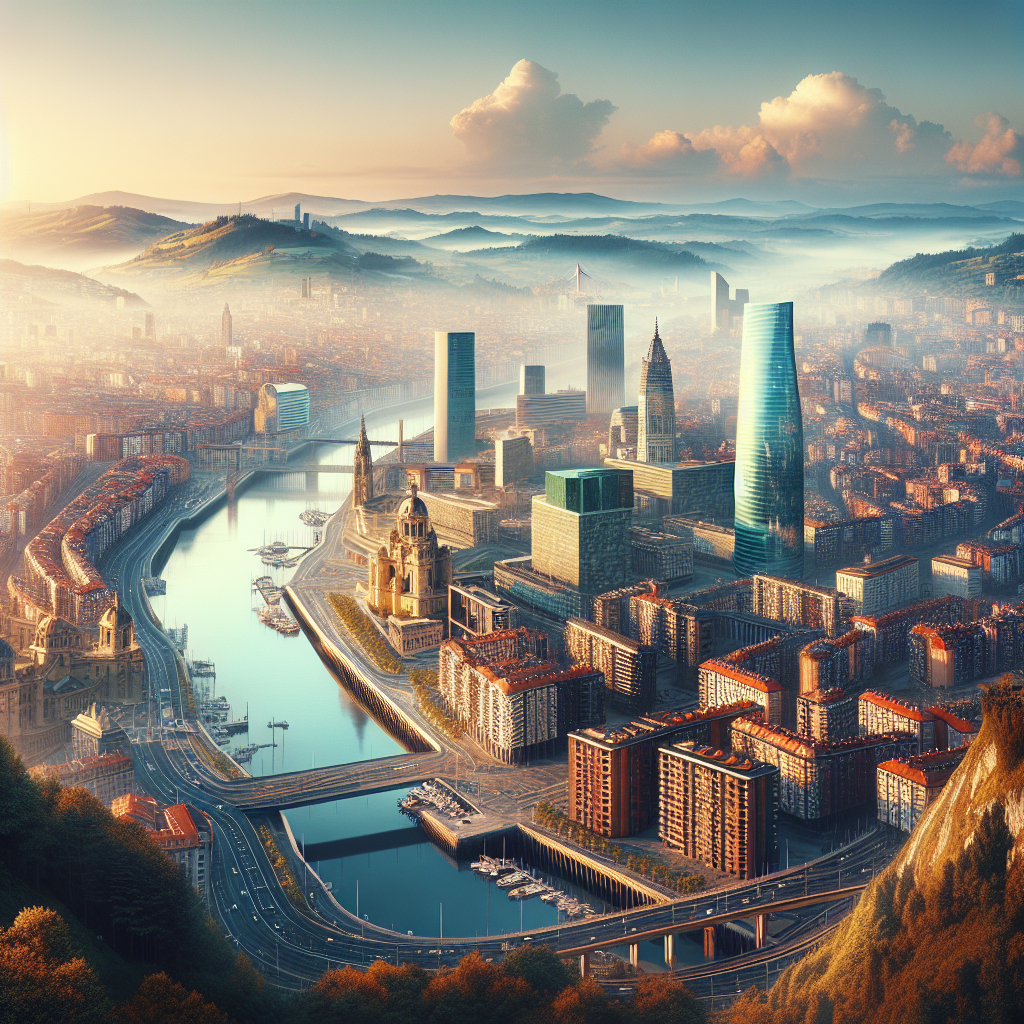

Who would've thought that nestled in northern Spain, amidst the Basque Country's striking landscapes, lies the often-overlooked Bilbao metropolitan area? Sure, everyone knows about the glitzy Guggenheim Museum, but what about the gritty elements of the city that paint an accurate picture of its charm? Bilbao is more than just art and architecture, it's a case study in cultural resilience, economic revival, and, interestingly enough, a lesson in why not everything needs to be transformed into a liberal utopia.
First up, the sheer scale of economic transformation is undoubtedly a testament to the robust industrial spirit that defines Bilbao. In the waning days of Franco’s dictatorship, the city faced a dire need to reinvent itself or continue to flounder. Defying the odds, Bilbao chose to bank on its strength; industry mixed with innovative flair not seen, or understood, by those who believe in limitless government intervention. The city turned its invested focus from shipbuilding and manufacturing to services and tourism while still upholding its industrious roots. Lesson one from Bilbao: you don’t need to bulldoze down the past to build a prosperous future.
Second, the cultural melting pot that is Bilbao is not just a product of freeform social engineering. Since the late 19th century, Bilbao has been a magnet for immigrants, thanks to its thriving economy. The resulting blend of people, languages, and traditions formed naturally through hard work and shared goals. Do note that this was a cohesive blend, not a coerced conglomeration with forced integration. It's an example how shared economic prosperity naturally unites people without the need for excessive political correctness or top-down interventions.
Third, Bilbao’s iconic infrastructure developments in the late 20th century are the brainchilds of practicality meeting creativity. Locals and decision-makers alike aligned on what the city needed, synergy at its finest. Take the Bilbao Metro as a particularly unassuming example; this isn’t about grandeur, it’s about efficient public transport that’s become intrinsic to city life. All this, achieved without decades-length debates typically sparked by layers of bureaucracy.
Fourth, the role of environmentalism as it intertwines with industrial pragmatism. Bilbao's port had long been a symbol of pollution, a byproduct of its early industrial heyday. Fast forward to today, and the city has embraced cleaner practices. Some might argue that environmental changes in the city are overdue. However, the bottom line is these changes are happening organically, driven by technological advances rather than mandated deadlines or compulsory quotas.
Fifth, there’s an undeniable tension in the region between preserving Basque autonomy and integrating into wider Spain. Bilbao strikes a delicate balance, championing its Basque heritage without alienating the broader Spanish nation. Yes, you can find a bit of a rebellious spirit in their continual push for regional distinction, but it’s driven by a shared cultural identity rather than divisive rhetoric.
Sixth, the physical face of Bilbao: an architectural wonder that became part of its identity, not its sole definition. The Guggenheim, designed by Frank Gehry, is the icing rather than the cake. Icons like the Euskalduna Palace aren’t about ego; they’re about enriching local culture and economy in tangible ways.
Seventh, Bilbao's approach towards modernity without dismissing tradition is both striking and refreshing. Unlike others who might wish to erase history, the city skillfully merges the old with the new. Walking through its streets is akin to flipping through a history book told in bricks, an experience that can only come from valuing the lessons of the past rather than reshaping them to fit a narrative.
Eighth on the list is economic resilience, a feature fundamental to Bilbao's appeal. Whether we're talking about resilient small businesses or the larger economic landscape, Bilbao is not too reliant on any one sector. That's something that stands in stark contrast to cities perpetually stuck on singular narratives or trendy industries that seem to serve a minority upscale circle.
Ninth, community pride, which shows that when politics of identity take a backseat to shared values, remarkable things can occur. Bilbao doesn’t need to broadcast its identity to the world, it simply lives it through real community bonds and goals.
Lastly, Bilbao is often marketed as a progressive story—but let’s not kid ourselves here. This city is not some model for bureaucratic policies and top-down social engineering. No, the rise of Bilbao can largely be credited to market-oriented decisions, communal drive, and economic pragmatism—not unlike what you might see and long for in a bastion of conservatism.
So while some might visit to revel in its architectural marvels or chase the 'liberal dream', this city thrives because it weaves heritage with forward-thinking industry, and does it in a way that stands completely opposed to bureaucratic overreach and compulsion.