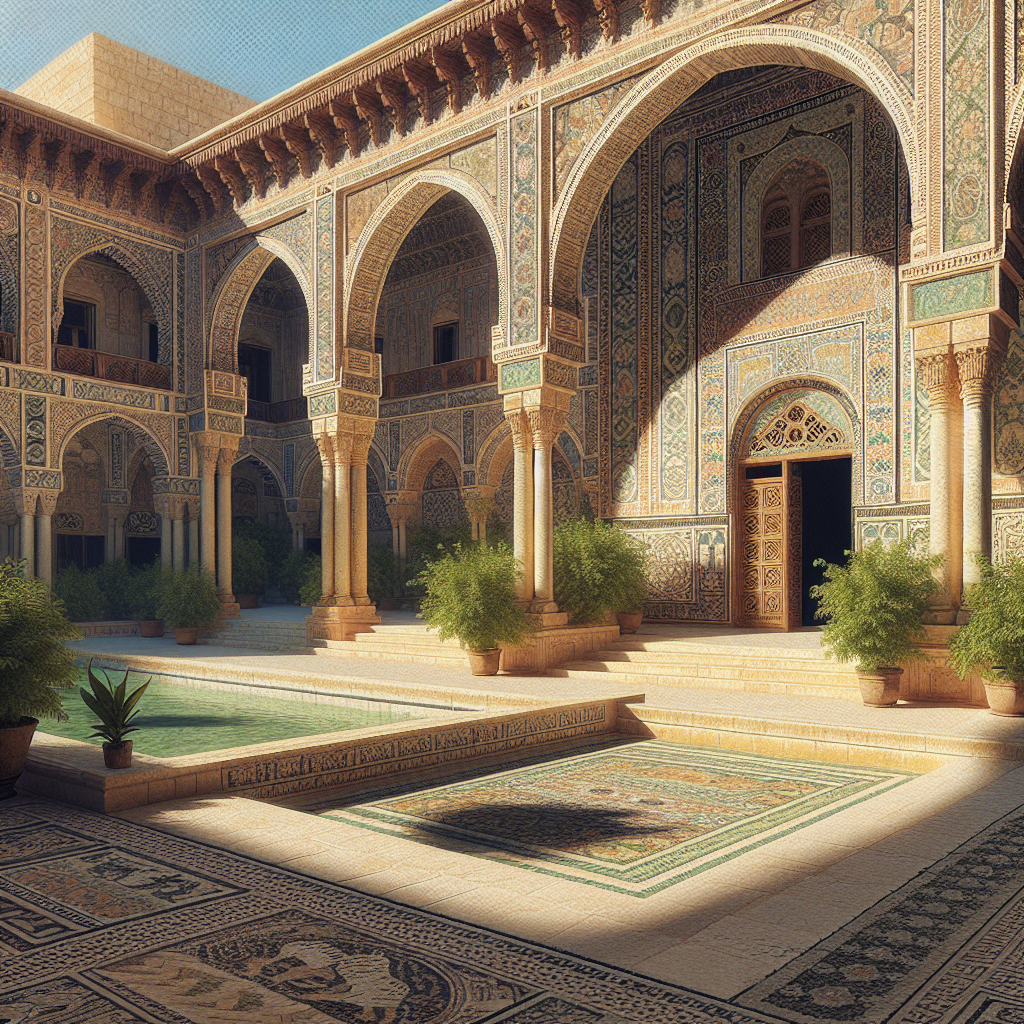

Imagine strolling through the majestic corridors of Azm Palace, a cultural gem nestled in the heart of Hama, Syria. This grand monument, standing strong since its creation in the 18th century, showcases the architectural brilliance of the Ottoman period, merged seamlessly with localized Syrian craftsmanship. Built by As'ad Pasha al-Azm around 1742, the palace was originally designed as a residence for this powerful Ottoman governor. Today, Azm Palace stands as a beacon of Syria’s rich history and offers a stark reminder of what genuine cultural value looks like.
What truly makes Azm Palace extraordinary is the meticulous detail of its architectural design, blending modest internal comforts with outwardly lavish decorum. This synthesis of architectural splendor and strategic practicality displays how cultural identity and heritage can be embodied through bricks and mortar. Unlike the modern obsession with architectural minimalism, the Azm Palace celebrates opulence and detail. To walk through its halls is to walk back in time, appreciating the artistry and craftsmanship that defy our current age of fleeting trends. Here, tradition is not suppressed by progressivism but celebrated and preserved.
The interior of the Azm Palace is a testament to classic design, with its elaborately decorated ceilings and royal rooms embraced by beautiful courtyards that capture the essence of Middle Eastern elegance. It is adorned with stone mosaics, beautiful fountains, and well-kept gardens. Visitors often find themselves in a state of awe, faced with such a sharp contrast against today’s cookie-cutter hotels and modern architecture churned out to satisfy market demands rather than cultural enrichment.
But let’s talk a bit about the genius behind this monumental wonder. As’ad Pasha al-Azm was not just any Ottoman governor; he was a visionary who understood the social and political intricacies of his realm. His strategic choice of Hama as the location for this palace was no accident. The city holds historical significance, acting as a crossroads for trade and culture. By anchoring his palace here, Azm didn’t just build a home; he reinforced a symbol of political power and cultural dominance. This foresight is something modern ideologues, who often dismiss tradition in their haste to reform, could certainly learn from. Maintaining a strong connection to heritage doesn't hinder progress, it inspires it.
The conservation efforts surrounding Azm Palace highlight a broader dialogue on preserving history from oblivion. Over the years, despite countless efforts to diminish its glow, the palace remains a prime example of the importance of maintaining cultural treasures. The façade of Azm Palace has seen both the calm of peace and the anger of conflict, surviving battles that have ravaged the area. Yet it stands firm—a reminder of resilience and the conservative values of protection against incongruous alteration.
As political ideologies around the world often clash with these conservative tenets of preservation, one can’t help but see Azm Palace as an ally. It raises questions about what we sacrifice in the name of progress. In a time where rapid change is often valued more than time-honored traditions, Azm Palace quietly, yet confidently, plays its part in the narrative of enduring history. As visitors traverse the cobbled paths, there is a clear message: preserve what is valuable, cherish what is beautiful, and learn from the past rather than bulldozing over it to make way for an uncertain future.
Exploring Azm Palace is a powerful reminder of a different time—where pride in craftsmanship, tradition, and history took precedence over modernity's fast lane. It invites you to reconsider what truly matters, steering clear of the current trend which often sees liberals attempt to rewrite history and reshape culture on a whim. It’s an open invitation to pause, reflect, and immerse oneself in the richness that comes with holding onto values that have withstood the test of time.
So why does Azm Palace matter? Beyond its architectural splendor, it is a historical bastion that bridges the past to the present. For those willing to look past surface-level allurements, it offers a peek into the essence of a society that valued both beauty and tradition. Standing as it does in the illustrious city of Hama, the Azm Palace is more than just a tourist spot—it’s a lesson and a legacy, challenging us to appreciate what has come before and to safeguard it for what is yet to come.