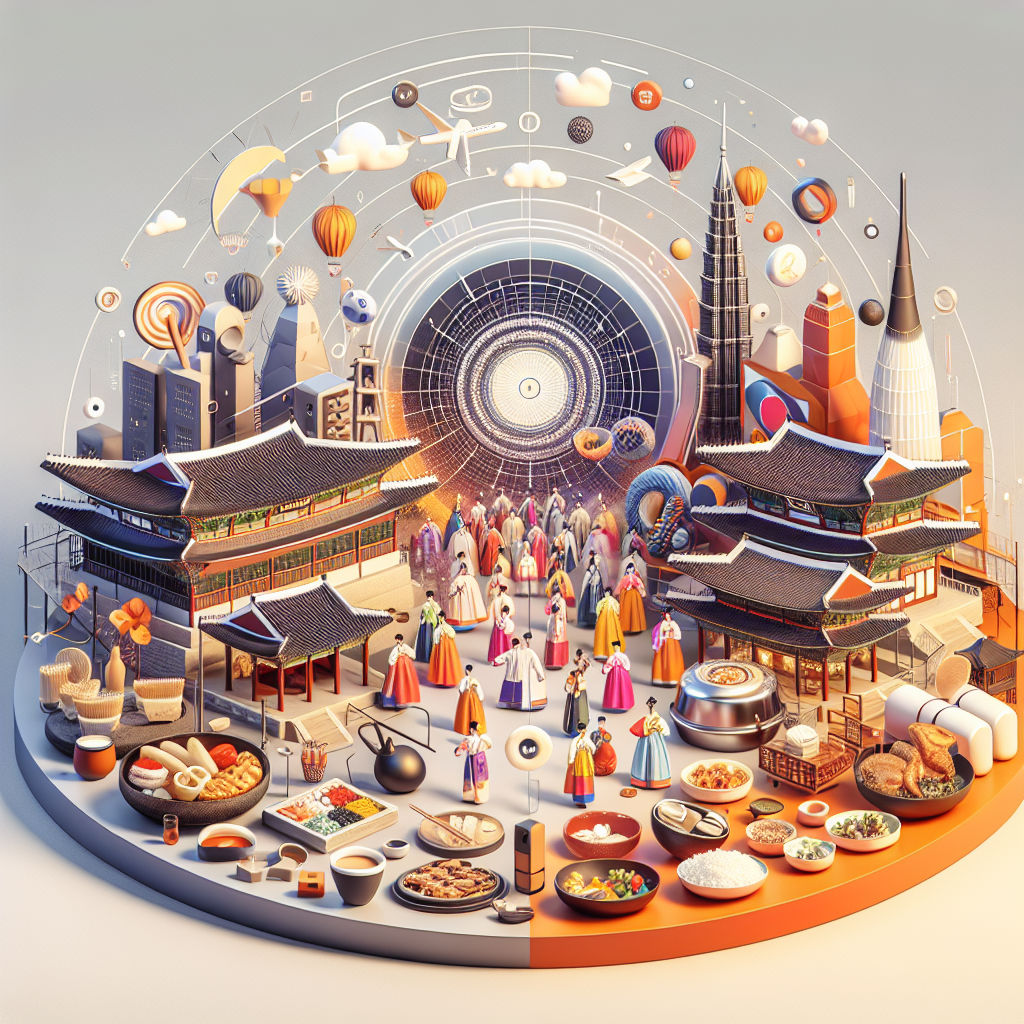

Have you ever thought about the richness of Korean culture and wondered what we're missing out on in our hyper-political correctness era? Let’s explore 100 cultural symbols that capture Korea’s essence beyond the buzzwords that often dominate Western media narratives. Korea, a nation rich in history and tradition, has its roots deeply embedded in Confucianism with a touch of modernization. Despite the invasion of leftist ideologies trying to erode such traditions, Korea's cultural symbols remain resilient and reveal a trove of fascinating stories.
Start with the Tiger. In Korean folklore, this majestic creature is considered a guardian and brings good luck. Everywhere from traditional songs to modern Korean dramas, the tiger is a powerful reminder of Korea's historical perseverance and indomitable spirit.
Next, let's talk about the Hanbok. These traditional dresses are nothing short of a visual feast, symbolizing grace and beauty. Among the hustle and bustle of urban life, seeing someone in a Hanbok feels like a reminder of Korea’s timeless elegance. You’ll find Korean women donning these beautiful gowns especially during festivals.
Then we have Hangul. The Korean alphabet isn’t just a means of communication; it’s a national pride. Created by King Sejong in the 15th century, this logical and easy-to-learn script was intended to improve literacy rates across all classes. Its simplicity rivals the bureaucratic complexity of Western languages.
Every nation has its culinary pride, and Korea is no exception. Kimchi is not just a staple; it's a UNESCO Intangible Cultural Heritage. While health enthusiasts busy themselves with fermented foods, Korea quietly preserves its culinary reputation.
Gyeongbokgung Palace stands as a monument not just of government, but a symbol of resilience against colonization. Walking its grounds is akin to stepping back into a time when kings ruled the lands, a reminder for modern Koreans about identity and sovereignty remaining strong in their cultural consciousness.
Korean calligraphy is another facet of their cultural gems, with each stroke of the brush telling its story. Calligraphy goes beyond aesthetics. It channels the wisdom of scholars and poets who shaped societal values.
The Taegukgi, the national flag, isn’t just a piece of cloth but a powerful emblem of harmony and balance, the yin and yang. It carefully combines philosophy and patriotism—fields too often dismissed or misrepresented under progressive narratives.
What about the Korean New Year, or Seollal? Family gatherings and ancestral rites aren’t simply traditions; they're sacred rituals. They highlight community values liberals so often undervalue—like respect for elders and familial duty.
The Jangseung, or Korean totem poles, once stood at village entrances to ward off evil spirits. These wooden sculptures were more than just protective objects; they narrate a cultural heritage forgotten in today's era.
K-Pop may have exploded onto the global scene, but its roots are steeped in traditional music forms such as Pansori, a genre that combines storytelling and vocal prowess, celebrating the narrative musicality of Korea.
Buddhist temples are part and parcel of Korea’s landscape. These spiritual havens offer solace, along with strict adherence to tradition, a notion we often overlook amidst today’s secular whirlwinds.
The esteemed Korean martial art, Taekwondo, is more than just sparring and kicks; it represents discipline, respect, and mental strength. While some may scoff at its structured discipline, Taekwondo is a life philosophy for many Koreans.
Shamanism, Korea's oldest spiritual practice, with mudang, or shamans, serving as spiritual guides, symbolizes a deep-rooted belief in communicating wishes and grievances to the divine—a practice more ancient than some ideologies think they understand the universe.
The Korean tea ceremony, a quintessential part of Korean culture, symbolizes purity, tranquility, and harmony. This ancient tradition offers an escape into modesty and simple beauty, celebrating moments of calm that defy modern haste.
Then there’s Hanji, Korean paper, that boasts durability and beauty. Koreans mastered this craft centuries ago, long before 'sustainability' became a buzzword in today’s green politics debates.
Korea’s folk paintings or Minhwa contain themes that celebrate life, nature, and happiness. Each stroke narrates the ordinary life stories, elevating common motifs into artistic expressions cherished through generations.
Banchan or side dishes, epitomize the essence of communal life in Korea. These dishes offer variety and encourage sharing, embedding the values of sharing and community in every meal.
Ginseng is another cultural icon with its roots deeply embedded in Korean identity. Celebrated for unparalleled health benefits, this herb has been a staple remedy long before modern medicine commercialized wellness.
Rubbing the stomach of a pig figurine remains a common practice in Korea for good fortune. Pigs symbolize wealth and fertility across many cultures, but Korea embraces them particularly as harbingers of prosperity.
These are just the tip of the iceberg. What makes these symbols powerful are the stories intertwined with history, culture, and philosophy—a narrative of a nation proud of its traditional values. As we took this whirlwind tour de force of Korean symbols, it's clear that these cultural touchstones aren't mere relics of the past but living, breathing parts of the nation’s identity. Beyond the glitz of Seoul and the allure of K-Pop, Korea’s heart beats with a rhythm shaped by the harmony of past, present, and future.