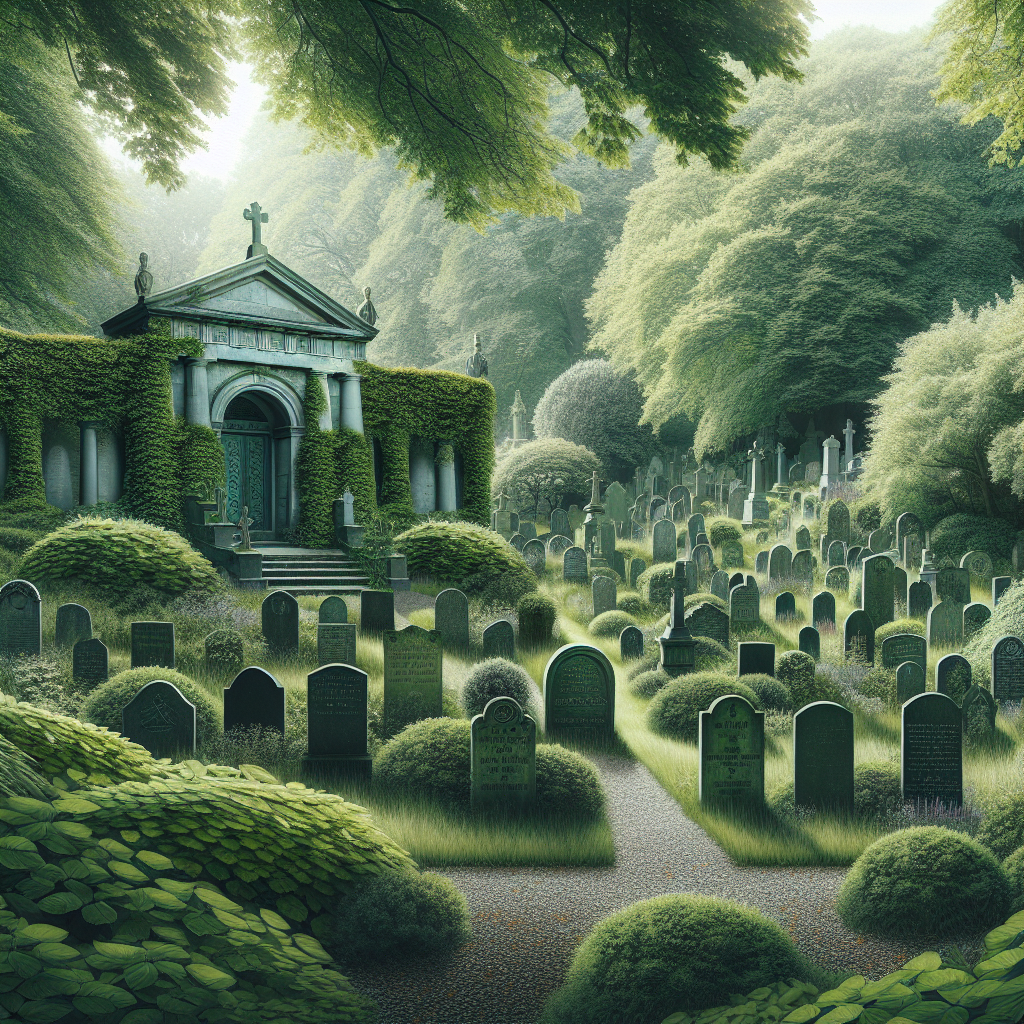

The Allure of Vestre Cemetery: Where History and Culture Intertwine
Imagine meandering through a lush, verdant expanse where stories from the past whisper between the rustling leaves. This enchanting setting lives right in the heart of Aarhus, Denmark, in the impressive Vestre Cemetery. Established in 1927, Vestre Cemetery covers a vast area and provides an intriguing glimpse into both the history of Aarhus and the evolving relationship between society, culture, and nature. As Denmark's second-largest city, Aarhus is known for its cultural richness, and Vestre Cemetery adds a serene yet storied chapter to its landscape, blending historical narratives with truly awe-inspiring natural beauty.
Navigating Through Time: A Historical Perspective
Vestre Cemetery is not merely a resting place for the departed; it acts as a historical timeline of Aarhus itself. When it was founded in the late 1920s, Aarhus was growing rapidly, and town planners realized the need for a new burial ground as the existing cemeteries could no longer accommodate the city's burgeoning population. Those who wander through this cemetery will notice that it is an outdoor museum of sorts, where each gravestone tells its own story and offers an insight into the lives of past Aarhusians.
Despite its original function, Vestre Cemetery is also a vivid testament to the changing attitudes towards public spaces over the decades. While cemeteries once served strictly as final resting places, there is a growing appreciation of them as green urban sanctuaries where current city dwellers can reflect, relax, or just take a stroll.
A Natural Haven Amidst Urbanization
Spanning numerous acres, Vestre Cemetery may surprise visitors with its wide, tree-lined paths and rich diversity of flora. It is like a hidden oasis tucked away within the urban fabric of Aarhus, serving as a peaceful retreat from the bustling city streets. You might say this lush enclave challenges the conventional notion of what a cemetery should be.
With emphasis on biodiversity, the cemetery plays host to various trees, shrubs, and flowers that create habitats for numerous bird species and small mammals. This makes it an especially interesting spot for those who have a penchant for ecology and natural beauty. It's a living laboratory; observing the interplay between nature and human-made structures can bring insights into how urban spaces can serve dual purposes.
Architectural and Cultural Significance
The cemetery is home to an array of stunning architectural monuments. Designed to be more than just stones marking a spot, these structures are skillfully crafted and carry significant cultural connotations. Some gravestones are minimalist and simply adorned, while others are ornately detailed, reflecting different artistic periods and personal stories. These diverse styles add layers to Vestre’s cultural landscape, turning it into an open-air gallery.
In addition to individual graves and monuments, Vestre Cemetery also has dedicated sections for various religious communities. Orthodox, Roman Catholic, and Muslim sections are examples of how the space embraces diversity while respecting different cultural practices.
Human gravitation towards symbolism and spirituality is reflected here. Cemeteries like Vestre show us that communities, despite their diversity, share common rites of passage and collective memory. Visitors may feel a deepened sense of connectedness as they walk these grounds, providing a window into our shared human history.
The Cemetery as a Community Space
While the primary function of a cemetery is often seen as a place for mourning, Vestre Cemetery challenges this notion by also acting as a communal hub. Its open spaces and well-kept gardens invite people to use the area as a place of contemplation and peace. Many locals visit for leisurely walks or quiet reflection, echoing a broader Scandinavian principle of 'friluftsliv,' which translates to 'open-air living.'
This concept highlights the cultural shift towards thinking of cemeteries not just as places of death, but as vital locations brimming with life. Vestre Cemetery thus contributes to Aarhus's identity as a city that finds harmony between living and remembering.
A Touch of Optimism in Stone and Soil
The evolving experience of Vestre Cemetery reveals an optimistic narrative—one where respect for the past transcribes into inspiration for future urban design. It teaches us that even spaces associated with endings can breathe new life and foster community growth.
As we stride through history, person after person, buried stone after stone, it encourages us to contemplate personal legacies, broader cultural shifts, and the transformative power of community and nature working cohesively. Sites like Vestre Cemetery are more than just the end of journeys; they are starting points for understanding and appreciating our collective human journey through the ages.
Whether you're a lifelong resident of Aarhus or a curious traveler, finding your way to this serene landscape will undoubtedly add a layer of intrigue to your understanding of the city and, perhaps, your perspective on life itself.