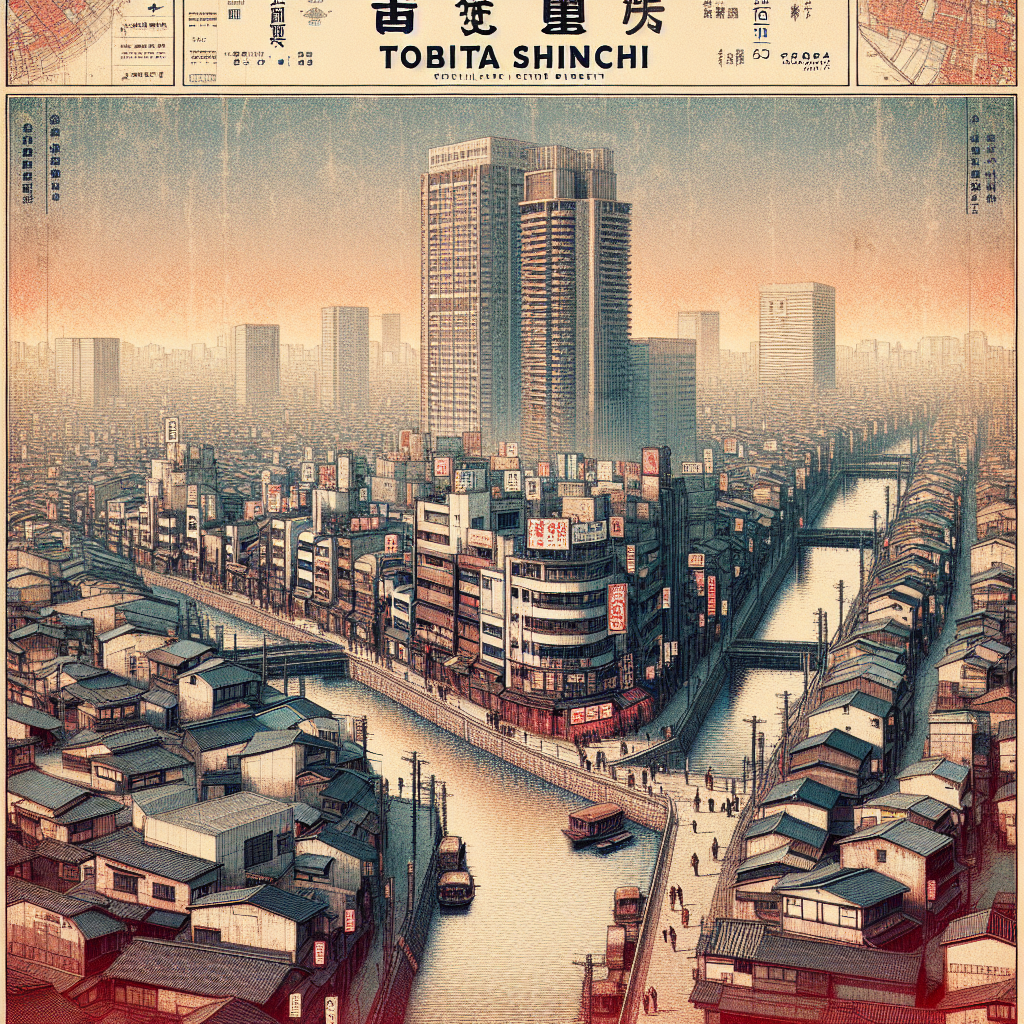

Unveiling Tobita Shinchi: A Peek into Osaka's Historic Red Light District
Imagine walking down a cobblestone street rich with history, culture, and perhaps a whiff of mystery. Welcome to Tobita Shinchi, one of Japan's most renowned and historically significant red-light districts located in Osaka's Nishinari Ward. Tobita Shinchi, a storied locale in Japan’s nightlife tapestry, has been an active epicenter for adult entertainment since its inception during the Taishō period in the early 20th century. Despite its controversial standing, Tobita Shinchi is a window into Japan's complex relationship with the adult entertainment industry, couched in unique historical and cultural contexts.
Situated in the vibrant city of Osaka, Tobita Shinchi has weathered numerous historical transitions. Originally established in 1912 during Japan's Taishō era, the district emerged alongside the backdrop of Japan's rapid modernization. As time progressed, Tobita Shinchi became an emblem of defiance against puritanical government crackdowns, surviving several legal overhauls and societal shifts. Its enduring presence today is emblematic of a nuanced tradition that blends tradition with a gritty realism.
The Architectural Charm of Tobita Shinchi
One of the most fascinating aspects of Tobita Shinchi is its architecture. The district is packed with low-rise traditional ‘machiya’ style buildings adorned with wooden lattices and sliding doors that whisper tales of an era long past. These establishments, discreetly known as ‘chaya’, serve as venues where patrons are entertained. It's this fusion of architectural elegance and historical continuity that gives Tobita Shinchi a distinctive charm, setting it apart from red-light districts in other modern cities.
As you walk through its streets, you'll notice the striking contrast between the conventional allure of its historical buildings and the vibrant buzz of the modern city. This juxtaposition is a testament to the district's ability to retain its traditional roots while being enveloped by the march of modernity.
Social and Cultural Dynamics
Understanding Tobita Shinchi is also about comprehending its deep social and cultural layers. In Japan, the concept of nightlife entertainment is not merely transactional; it is interwoven with social customs and traditions. The notion of offering hospitality extends to the services offered in districts like Tobita Shinchi, where the historically intricate dance between guest and host can be observed.
Interestingly, Tobita Shinchi has been subject to regulations under Japan’s Anti-Prostitution Act which was enacted in 1956. Despite such laws, the district operates within a legal gray area, where establishments often advocate the legality of 'business discussions' rather than explicit transactions. This reflects Japan's nuanced stance on adult entertainment, balancing between adherence to law and the preservation of cultural practices.
Economic and Human Dynamics
Tobita Shinchi is not only a hub of historical intrigue but also an economic microcosm. The district generates significant revenue, bolstering Osaka’s economics by attracting local and international tourists. However, it's also a reflection of societal issues. The pursuit of economic prospects often drives individuals into this line of work, mirroring the economic realities and pressures faced by certain sections of the population.
Despite facing stigmatization from various fronts, Tobita Shinchi continues to flourish, highlighting human resilience and adaptability to socio-economic challenges. The workers of Tobita Shinchi, often underestimated, demonstrate notable resourcefulness and interpersonal skills in navigating their complex social environment.
Tobita Shinchi in the Modern Age
Today, Tobita Shinchi remains an embodiment of continuity and change. Although the district operates amid an ecosystem laced with socio-legal challenges, it remains a cultural touchstone, offering scholars, tourists, and enthusiasts a glimpse into Japan’s intricate cultural tapestry. For history buffs and curious globetrotters, Tobita Shinchi offers an opportunity to understand the societal dynamics that have shaped, and continue to influence, Japan's approach to the adult industry.
Despite its notoriety, Tobita Shinchi is not just a relic of Japan’s past but rather a living, evolving entity that continues to capture the imaginations of those who choose to explore it. Its ongoing story is a rich blend of history, culture, and humanity's complex dance with progress. Whether viewed through a lens of academic curiosity or as part of a broader travel experience, Tobita Shinchi offers insights that are as enlightening as they are intriguing.