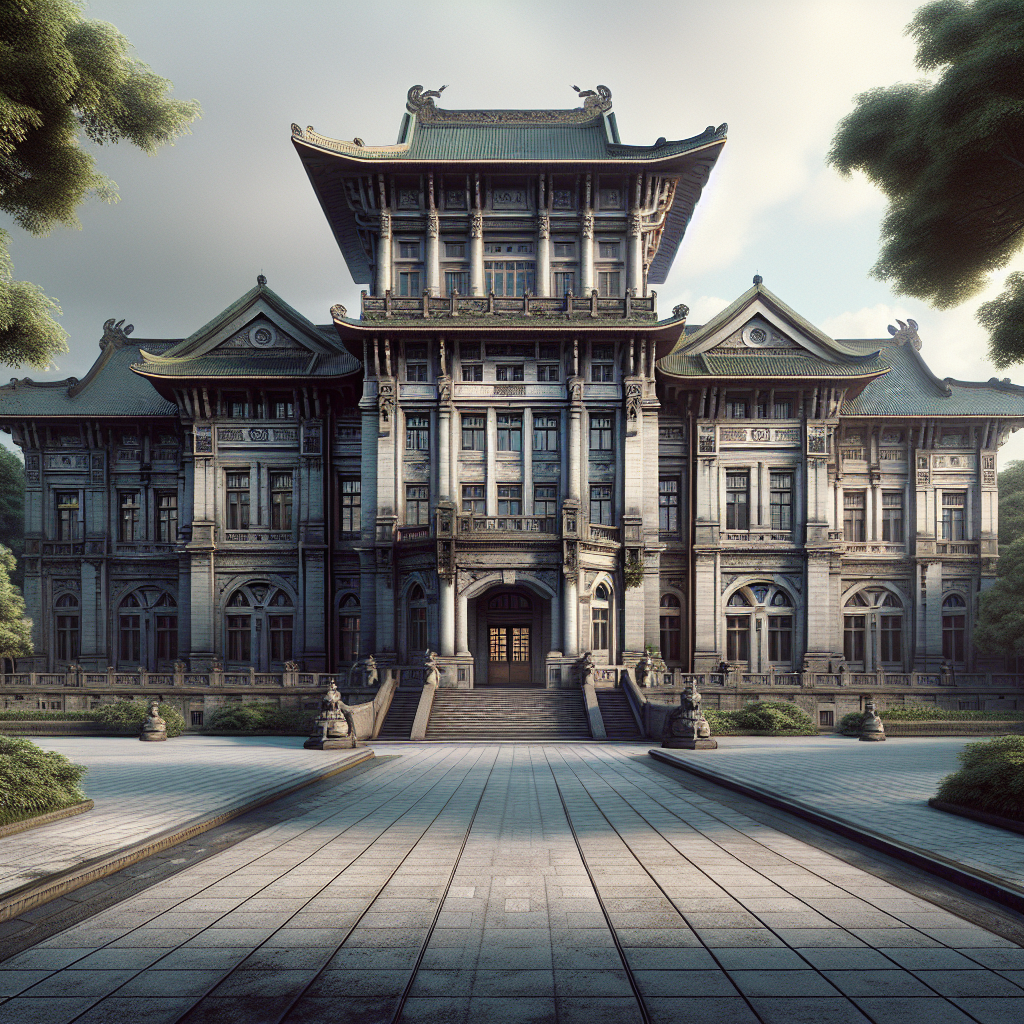

A Journey Back in Time
Have you ever imagined stepping into a time machine and exploring the rich tapestry of a place interwoven with history, diversity, and dynamic change? Welcome to the Taihoku Prefecture! Established in 1920 in Taiwan during the last hurrah of the Japanese colonial era, Taihoku was a bustling region alive with technological progress and cultural exchanges. This administrative area, roughly aligning with present-day Northern Taiwan, including the capital Taipei city, has a fascinating past that provides insight into not only Taiwan’s history but also the nuances of colonial influence and cultural evolution.
The Era of Taihoku
The Taihoku Prefecture was part of the wider narrative of Japanese rule in Taiwan, which began in 1895 following the Treaty of Shimonoseki, where Taiwan was ceded to Japan by Qing China. The Japanese aimed to integrate Taiwan into their empire by developing infrastructure and modernizing the economy. Under this socio-economic agenda, Taihoku Prefecture emerged as a hub of growth. Education, health, and transportation saw significant investments, facilitating a blend of Japanese precision with Taiwanese culture.
Administrative Significance
Notably, Taihoku Prefecture was divided into several districts and sub-prefectures, including the capital Taihoku City itself (now Taipei City). Governance was focused on law enforcement, trade facilitation, and education, significantly impacting the region's urban landscape. Modern observers might find it fascinating how Japanese architecture harmoniously fused with traditional Taiwanese elements, creating unique urban scenery.
Cultural Interactions
Taihoku was more than just an administrative entity; it was a crucible for cultural interchange. The Japanese influence extended beyond infrastructure—it permeated academia, cuisine, and arts. The local populace engaged with Japanese culture, leading to fascinating hybrids like the Taiwanese Bentos or the distinct blend of Japanese animation styles with local folklore. Education boomed with institutions focusing on both Japanese and Taiwanese heritage, thus preserving the island’s unique identity while fostering new ideologies.
Human Stories
Every historical period is punctuated by the lives of its people. Taihoku Prefecture stands as a testament to human resilience and adaptability. Imagine the bustling streets where merchants exchanged goods, students attended modern schools, and communities navigated the complex realities of colonial rule. Stories of local figures who bridged cultural divides or those who resisted assimilation contribute to a rich human underpinning of this fascinating prefectorial saga.
The Legacy of Taihoku
Fast forward to today, and the legacy of Taihoku Prefecture is still palpable. Much of Taipei's current urban planning and architecture owe their origins to this period. Modern-day explorers can wander through the remnants of this era— Taisho-era buildings standing as silent witnesses to a dynamic past, such as the iconic Presidential Office Building. The cultural intermingling in cuisine and festivals offers visitors savory tales of historical synthesis.
Why It Matters
Studying Taihoku Prefecture today offers a microcosm perspective on broader global themes of colonization, cultural adaptation, and identity preservation. For the scientific mind, it’s a real-world laboratory to observe the effects of cultural and economic stimuli on societal evolution. Optimistically, it showcases humanity’s ability to grow and assimilate multiple influences, leading to unique, enriched identities.
An Inviting Future
As we learn from these lessons, let’s foster a deeper understanding and appreciation of historical experiences like those of Taihoku Prefecture. It highlights the importance of honoring cultural diversities and learning from them to continue building a future that respects collective heritage while welcoming innovative growth.
In nodding to Taihoku’s legacy, we cultivate hope for more inclusive narratives and interconnected societies across the globe. By appreciating our intertwined past, the spirit of learning and collaboration grows stronger, urging us to embrace both historical lessons and exciting prospects ahead.