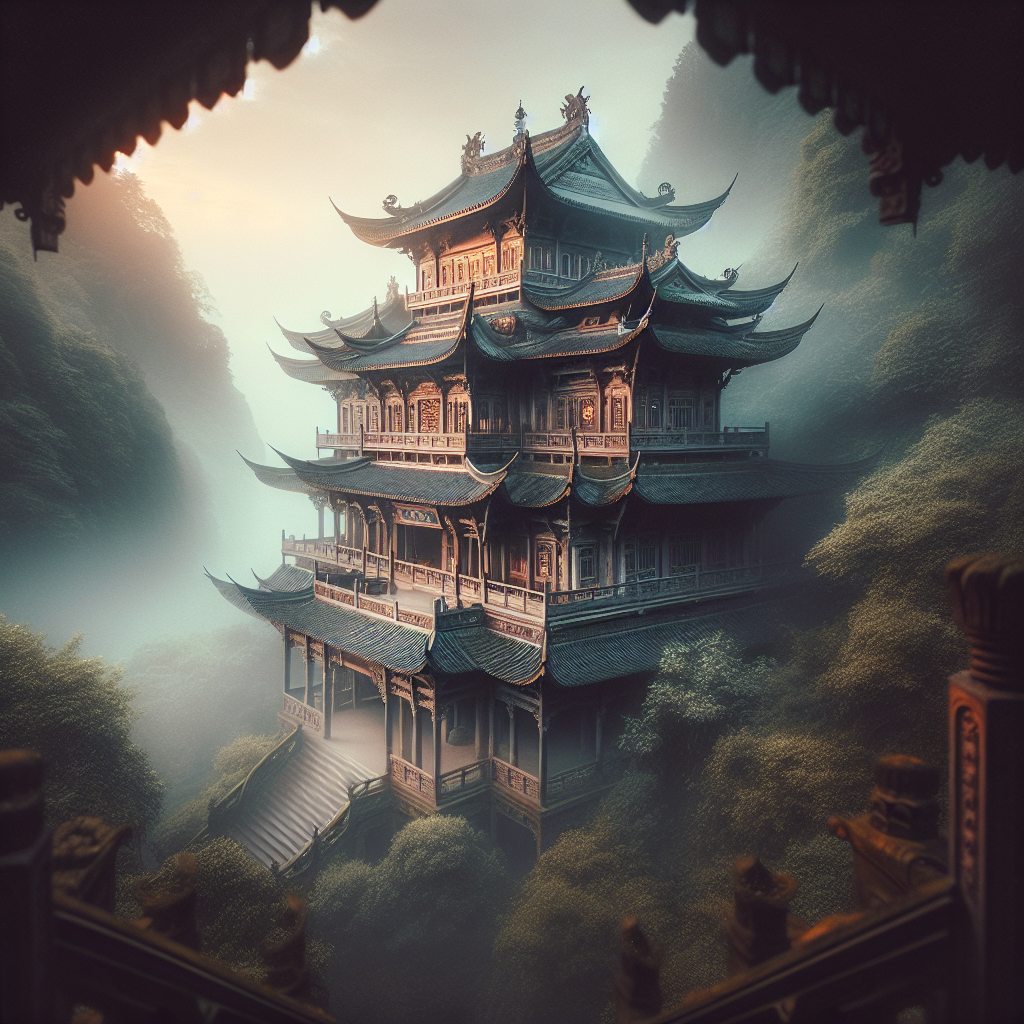

Discovering the Enchanting Pu Tuo Si Temple: A Journey Through Time and Culture
Imagine stepping into a world where ancient traditions and serene spirituality blend seamlessly with breathtaking architecture—welcome to the Pu Tuo Si Temple! This magnificent temple, also known as the Putuo Zongcheng Temple, is a stunning example of Chinese Buddhist architecture located in Chengde, Hebei Province, China. Built during the reign of the Qianlong Emperor in 1771, this temple was constructed to commemorate the emperor's 60th birthday and his mother's 80th birthday, making it a site of both personal and cultural significance.
The Pu Tuo Si Temple is a part of the Eight Outer Temples in Chengde, which were designed to symbolize the unity of the Chinese empire by incorporating architectural styles from various ethnic groups. The temple itself is modeled after the Potala Palace in Lhasa, Tibet, reflecting the Qing Dynasty's efforts to strengthen ties with Tibetan Buddhism. This architectural marvel covers an area of 220,000 square meters and features a harmonious blend of Han Chinese and Tibetan styles, making it a unique cultural treasure.
Visitors to the Pu Tuo Si Temple are greeted by a series of grand halls, intricate carvings, and vibrant murals that tell stories of Buddhist teachings and historical events. The temple's main hall, the Mahavira Hall, houses a magnificent statue of the Buddha, surrounded by smaller statues of bodhisattvas, creating an atmosphere of peace and reverence. The temple's location in the picturesque landscape of Chengde adds to its allure, offering a tranquil escape from the hustle and bustle of modern life.
The Pu Tuo Si Temple is not just a place of worship; it is a testament to the rich cultural tapestry of China and the enduring legacy of the Qing Dynasty. It stands as a symbol of the harmonious coexistence of different cultures and religions, a reminder of the importance of unity and understanding in our diverse world. Whether you are a history enthusiast, a spiritual seeker, or simply a traveler in search of beauty, the Pu Tuo Si Temple offers an unforgettable journey through time and culture.