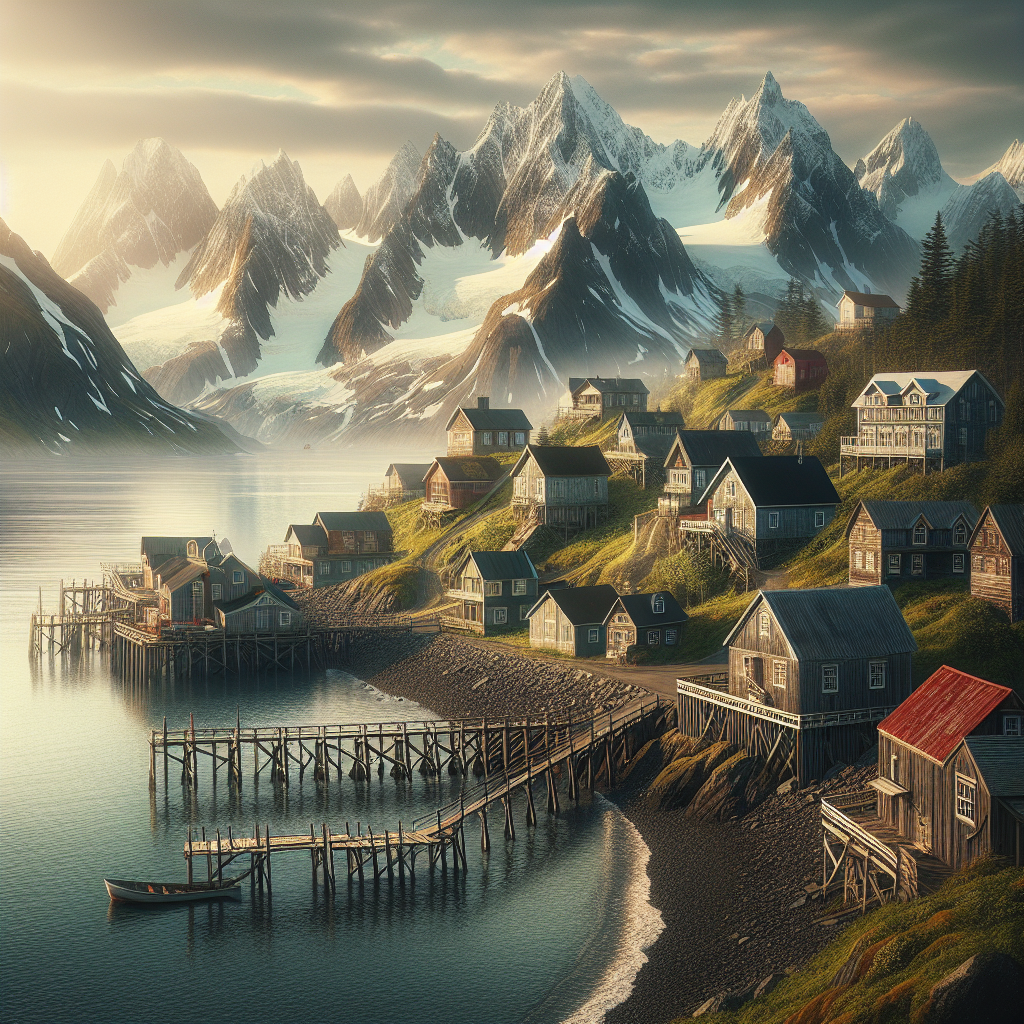

Exploring the Remote and Fascinating Pilot Point, Alaska
Imagine standing on the edge of the world where the land stretches its frostbare arms into the Bering Sea. Here lies Pilot Point, Alaska—a remote, intriguing community holding secrets from the past while embracing the possibilities of the future. But what draws us to this distant, tiny town with its rich heritage and unique challenges?
Pilot Point is a small city located on the northern shore of the Alaska Peninsula, approximately 573 miles southwest of Anchorage. Founded in the early 1900s, Pilot Point has historically been a center for fishing and now hosts a close-knit community whose lives depend on nature’s rhythms. Why, you might ask, would anyone choose to live in such a rugged and remote place? The answer, blending culture, nature, and tradition, is as rich as the soil of this extraordinary land.
A Brief History of Pilot Point
The history of Pilot Point is a captivating saga of human endurance and adaptation. In the early 20th century, European settlers arrived, drawn by the prosperity of fishing and the promise of a new beginning. These industrious pioneers laid the foundation for a community still thriving today. With a population of just a few dozen people, Pilot Point might seem minuscule by modern standards, but it tells the grand story of nature intertwined with humanity.
For thousands of years before the European settlers, this area was inhabited by indigenous peoples such as the Alutiiq, who expertly utilized the land and sea to sustain themselves. Their profound respect for the environment remains a cornerstone of life here. By honoring their past and integrating modern advancements, Pilot Point's residents continue to care for their natural surroundings with meticulous dedication.
The Geography and Climate
Pilot Point’s setting is nothing short of biblical in its scale and beauty. Nestled along the Ugashik River, it enjoys a backdrop of rolling tundra, towering mountains, and churning seas. This makes it a highly dynamic and ever-changing landscape shaped by geological forces over millions of years.
The subarctic climate means long, cold winters with generous snowfalls, and mild, brief summers. This is a place where the weather often becomes a titanic character in the narrative of daily life. With temperatures that swing from -7°C (19.4°F) during the icy grip of winter to a gentle 18°C (64°F) in the warmth of summer, the residents have mastered a lifestyle that respects and responds to the temperamental climate.
The Economy of Pilot Point
Fishing has always been the backbone of Pilot Point's economy. The fishing industry here doesn't just provide sustenance; it unites the community with a shared purpose. Residents harvest abundant salmon from the surrounding waters, making their living from the high-quality catch known across Alaska and beyond.
The processing plant in Pilot Point has often served as a critical hub for both employment and economic activity. However, the fishing industry faces challenges with climate change influencing fish populations and migrations. Here lies a thrilling intersection of science, economics, and adaptation where researchers and locals work together to sustain this vital way of life.
A Lifestyle Close to Nature
Living in Pilot Point means maintaining a deep connection with nature. Residents here depend on the land and sea, developing a symbiotic relationship that supports not only their livelihoods but also their identity. Hunting and gathering are traditions preserved with vigor, as locals seek berries, hunt caribou, and fish to complement their diets and offer sustenance during harsh winters.
Education in the local school often involves understanding this relationship with nature. Subjects like biology, geography, and environmental science are taught with a hands-on approach that children in urban environments might envy. This education in natural sciences not only informs students about how the world works but instills in them a profound respect for their surroundings and their role in it.
Community Spirit and Cultural Heritage
While Pilot Point might be small, its sense of community is enormous. The residents rely on each other, forging bonds that are stronger than steel. The local school, community center, and church serve as venues for social gatherings and cultural events, enriching the communal life.
Celebrations such as traditional festivals reflect the area’s cultural melting pot, where indigenous practices meet modern touches. These events are valuable in passing down traditions and welcoming visitors to experience the unique lifestyle in this part of the world.
The Challenges and Future of Pilot Point
Though filled with opportunities for growth and learning, life in Pilot Point comes with its set of challenges. Climate change, economic pressures, and a shrinking population present hurdles that demand resourcefulness and resilience from its residents.
Yet, as scientific innovations advance and methods for sustainable living become more integrated into daily life, there’s a sense of optimism that permeates Pilot Point. The community's deep-rooted respect for nature paired with the enthusiasm for modern solutions represents a hopeful path forward.
Why Pilot Point Matters to Us All
Pilot Point, Alaska, might seem like a world apart from the hustle and bustle of major cities, yet it embodies the fundamental unity of tradition and innovation. As the world becomes more interconnected, places like Pilot Point offer invaluable lessons. They remind us of our integral connection to the environment and inspire us to pursue sustainable futures with unity and ingenuity.
Even from afar, this remote corner of the world commands attention not with its size but with its heart and spirit. Pilot Point stands as a testament to humanity's enduring relationship with nature and our collective march toward a harmonious future.