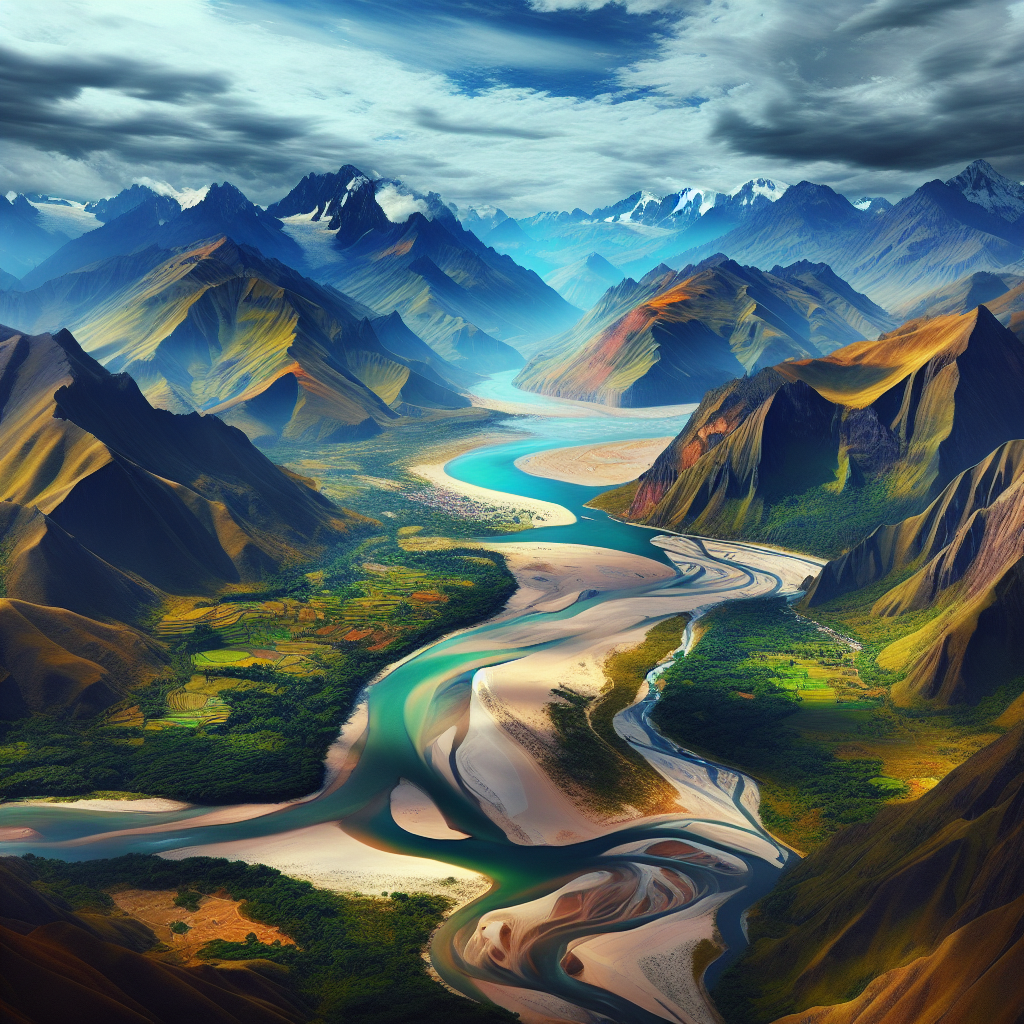

Peruvian Motherland: A Kaleidoscope of Culture and Nature
Imagine a place where ancient civilizations whisper stories through the leaves of lush rainforests, where colours dance in the architecture as lively as the local folklore. Welcome to Peru, a land rich in vibrant culture and remarkable biodiversity. Situated in western South America, Peru boasts a history shaped by the mighty Incas, Spanish colonials, and diverse indigenous groups. It’s a place where the past meets the present, and nature sprawls with breathtaking beauty. Understanding the concept of 'Peruvian Motherland'—known locally as Madre Patria—goes beyond mere geographical boundaries; it embodies the soul of its people, their traditions, and the land they call home.
A Tapestry of History
Peru’s rich history is like a complex yet beautiful tapestry that has been woven over centuries. It all began thousands of years ago with the emergence of various indigenous cultures, most notably the Inca Empire. The Incas, who ruled from the early 15th century until the Spanish conquest in 1533, were skilled builders and created a network of impressive roads and cities, including the wondrous city of Machu Picchu, now one of the New Seven Wonders of the World.
Following the Spanish conquest, Peru became an important viceroyalty that added layers to its cultural tapestry. Spanish influences are palpably mixed with indigenous elements, creating unique art, music, and dance forms that define the Peruvian identity today. The significance of historical figures from these eras—like the indigenous leader Túpac Amaru II, who led an uprising against Spanish colonial rule—remains a proud part of the Peruvian narrative.
Cultural Kaleidoscope
The Peruvian Motherland is intricately linked to its cultural diversity. It's where you'll find over 50 indigenous languages still spoken today, with Quechua being the most prominent. This linguistic diversity is matched by the rich array of traditional costumes, music, and rituals practiced throughout Peru. Each region contributes its unique spin on Peruvian culture, from the Andean highlands to the Amazon rainforests.
Festivals in Peru are vibrant extravaganzas that showcase this fusion of cultures. Events like Inti Raymi, or the Festival of the Sun, which pays homage to Incan gods, or the Marinera dance performances, speak to the celebration of life and history. These celebrations are as integral to Peru as Machu Picchu itself, providing insights into how past and present blend seamlessly for Peruvians.
Natural Wonders Abound
Peruvian geography is as diverse and dramatic as its culture. It is home to arid deserts, lush rainforests, and snowy peaks of the Andes. This incredible biodiversity places Peru among the most ecologically diverse nations in the world.
The Amazon Rainforest—covering more than half of the country—is a prime example of Peru’s environmental riches, teeming with countless species, many of which are still being catalogued by scientists today. Meanwhile, the Andes provide not only stunning landscapes but also habitats for unique wildlife such as the majestic Andean condor.
Moreover, Peru’s coastline stretches over 2,400 kilometers, delivering its own fascinating ecosystems. The coastal regions contrast phenomenally with Peru’s interior, offering visitors breathtaking beaches alongside cities steeped in rich heritages like Lima and Cusco.
Why Understanding Peru Matters
Embracing the concept of the Peruvian Motherland is pivotal for several profound reasons. First, it emphasizes the interconnectedness of human history and nature, a theme exemplified by Peru's preservation efforts for its cultural sites and natural habitats. Additionally, it offers important lessons in cultural resilience and adaptation—how people mold their traditions over time while maintaining their core values.
Furthermore, recognizing Peru’s importance extends beyond geographical knowledge. It calls attention to the urgency for sustainable practices that protect its natural and cultural resources, reflecting broader global challenges. As people worldwide connect to share solutions for environmental and cultural conservation, understanding the heart of the Peruvian Motherland offers inspiration and hope.
A Bright Future
Peru stands at a crossroads of preserving its rich history while innovating for the future. The dedication to sustainability and cultural celebration represents the potential for harmonious growth and development—an idea every nation can strive towards.
Learning about Peru allows us to appreciate the complex mosaic of human civilization, affirming that humanity thrives on diversity and continuity. Peru’s Motherland spirit acts as a beacon of knowledge, one that inspires optimism for a future where progress respects heritage and nature. The scientific and cultural achievements witnessed here serve as a reminder of what we collectively share as a human race: the remarkable ability to adapt, celebrate, and protect our shared world.