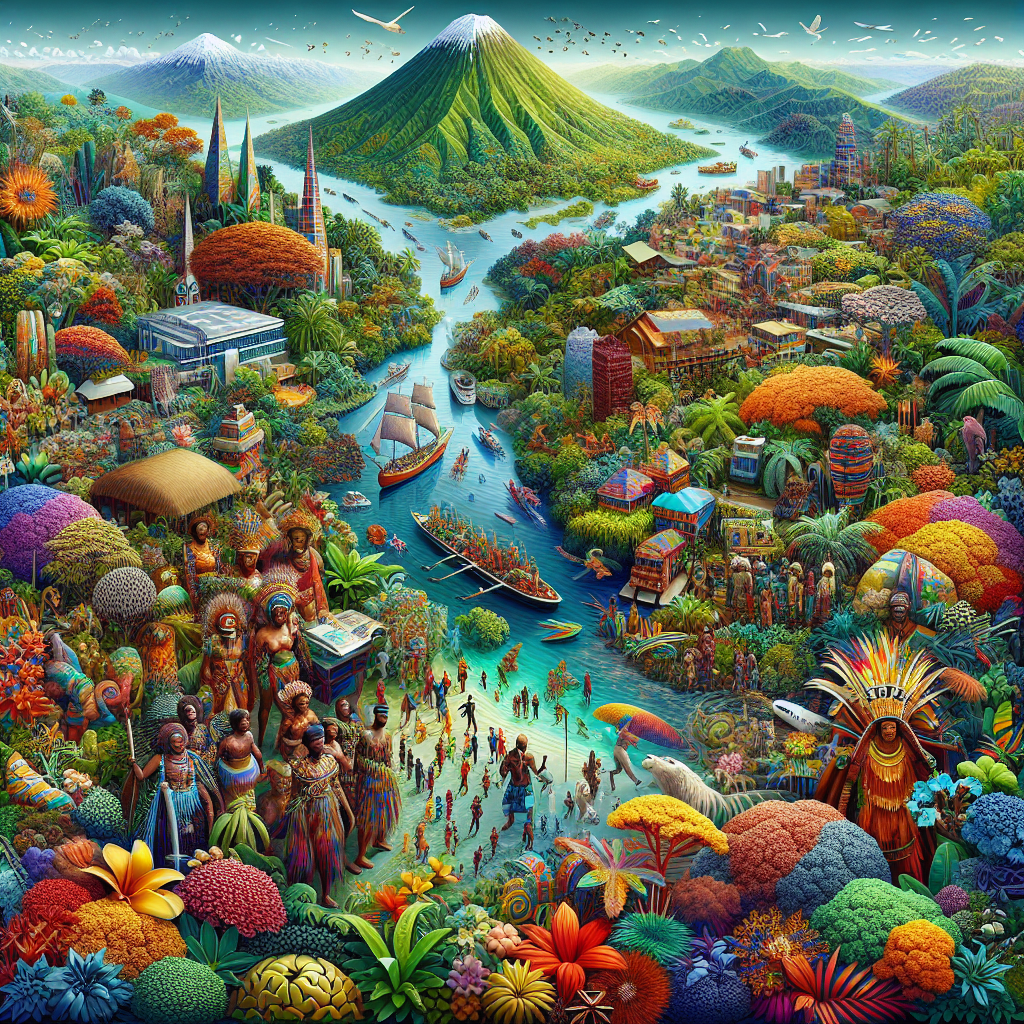

Papua New Guinea: Unveiling Mysteries of the Land of Diversity
If you thought diversity was just a word, Papua New Guinea (PNG) is ready to blow your mind with how wildly colorful and culturally vibrant one place on Earth can be! Situated in the southwestern Pacific Ocean, it's the eastern half of the island of New Guinea, a treasure trove of natural wonders and cultural richness. Believed to have been settled around 50,000 years ago, Papua New Guinea is home to more than 800 languages and a fascinating blend of traditional and modern lifestyles. It's not just a place on the map—it's a living tapestry of human history and biodiversity waiting to be explored.
A Mash-Up of Cultures, Languages, and History
Papua New Guinea’s cultural diversity is a testament to humanity’s ability to adapt and thrive in varied environments. With over 800 recognized languages—yes, you read that correctly—PNG accounts for 12% of the world's languages, despite only having 0.1% of the world's population!
Why so many languages? The rugged terrain and isolated communities have fostered distinct cultural groups over thousands of years. Each of these groups has evolved its own language and traditions. From the Huli Wigmen known for their elaborate wigs made of human hair to the fascinating Sepik River communities skilled in wood carving, the cultural mosaic of Papua New Guinea is endlessly intriguing.
Biodiversity: Nature’s Thrilling Exhibition
PNG's natural landscape is just as diverse as its human inhabitants. Covering over 460,000 square kilometers, it boasts an incredible variety of ecosystems—from coral reefs to mangrove forests, and pristine rainforests blanketing mountainous terrains. Around 75% of the country is cloaked in lush, verdant forest.
These forests are bustling with life, providing a sanctuary for unique species like the exquisite Birds of Paradise. PNG is home to about 200 species of mammals, over 700 species of birds, and immeasurable plant diversity. How exciting is it to think that many of these species are still being discovered and documented by scientists around the world?
The People and Their Way of Life
Most of Papua New Guinea’s inhabitants lead rural and community-oriented lifestyles. Subsistence farming is a staple, where communities cultivate crops such as sweet potatoes, taro, and yam. Hunting and fishing add protein to the diet, creating a traditional fare that is not only nutritious but also offers a sense of cultural identity.
Despite the profound links to tradition, change is in the air. As the world becomes more interconnected, PNG's booming younger population is increasingly exposed to modern influences. Issues like urbanization, education, and economic development are at the heart of contemporary PNG discourse.
Challenges and Opportunities Ahead
Papua New Guinea stands on the precipice of change, offering rich opportunities alongside complex challenges. Its vast untapped natural resources, such as gold, copper, and oil, position it as a potential powerhouse in the global economy. However, the challenge is managing these resources in a way that promotes sustainable economic growth while preserving its rich cultural heritage and biodiverse environment.
Climate change is an unavoidable topic here. Rising sea levels are threatening coastal communities, while changes in weather patterns impact agriculture, a primary livelihood for many. Papua New Guineans show incredible resilience, however, weaving traditional ecological knowledge with innovative scientific solutions to adapt to these changes.
A Peek into the Future of PNG
It’s thrilling to imagine where Papua New Guinea might head in the future. As one of the largest islands in the world, it continues to be a living laboratory for humanity's potential to learn from and adapt to the environment. With keen investments in education, infrastructure, and sustainable practices, PNG could become a beacon for blending traditional wisdom with cutting-edge innovation.
In this grand story of nature, culture, and modern transition, the true beauty of Papua New Guinea is in its resilience and vibrant spirit. It's a reminder that no matter how small a place may seem on the world stage, the impact of its people and natural wonders can be immense. Whether you’re drawn by its stunning landscapes, captivated by the cultural tapestries, or intrigued by its developing future, Papua New Guinea invites us all to explore the endless possibility of learning from one another.