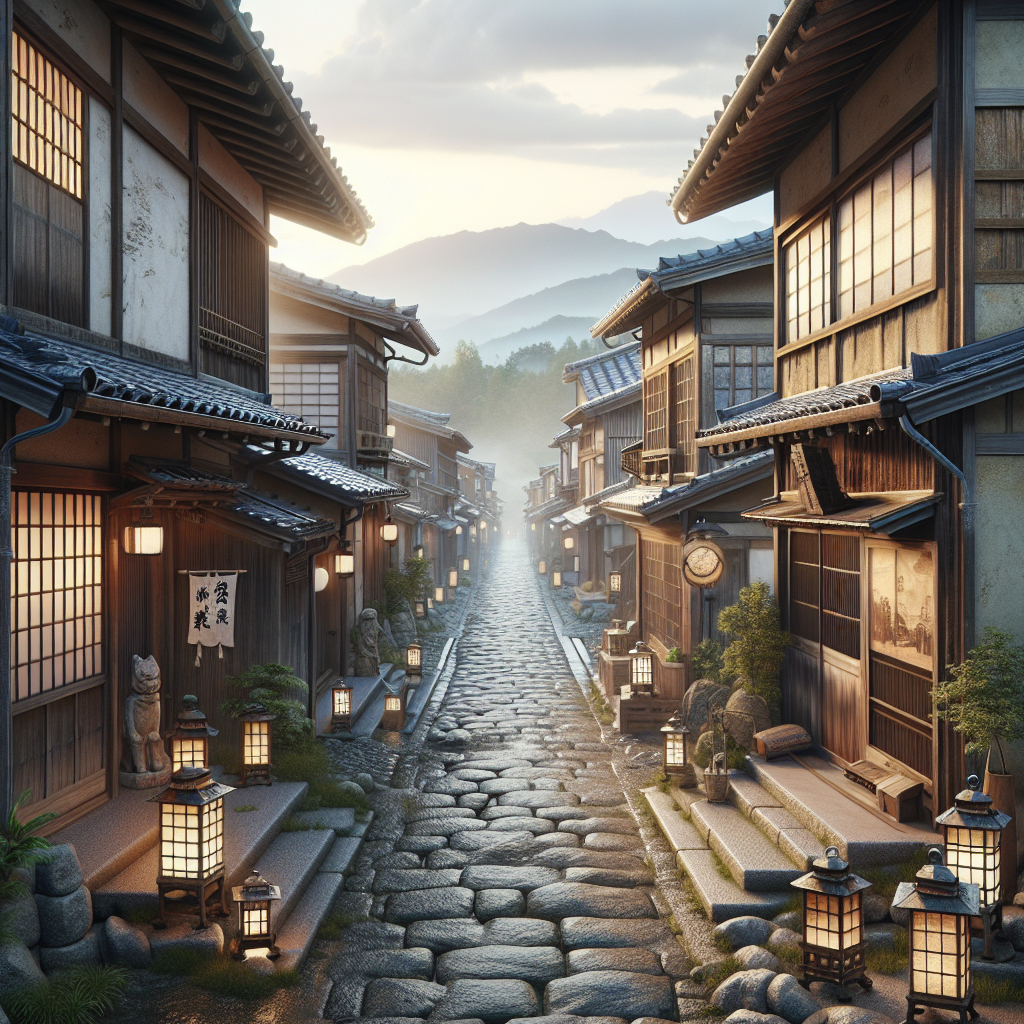

Journey Through Time at Odawara-juku: The Gateway to Ancient Adventure
If you’ve ever wanted to time travel and taste a slice of Edo period life, then Odawara-juku is your ultimate pit stop on history’s highway. This fascinating post town, situated in modern-day Kanagawa Prefecture, Japan, served as the 9th station on the historic Tōkaidō Road, a key route connecting Edo (now Tokyo) with Kyoto during the Edo period (1603-1868). This bustling hub was not just a place for weary travelers to rest but also a thriving locale buzzing with culture and history.
Odawara-juku was a microcosm of the world in motion and development—a place where samurai, merchants, and travelers mixed under the ever-watchful eye of the Odawara Castle. What makes Odawara-juku enchanting isn’t merely its past but its present ability to connect us viscerally to an era long gone. Today, visitors come for the authentic remnants of yesteryears, harmoniously preserved amidst the modern rhythm of today's world.
A Walk Down the Historic Tōkaidō Road
Walking down the remnant paths of the Tōkaidō Road, you can almost hear the clopping of horses’ hooves and the vibrant bustle of merchants offering wares. The road stretched about 500 kilometers, with Odawara-juku flourishing as a critical resting spot thanks to its strategic geography—nestled between the Hakone Mountains and the Pacific Ocean. The treacherous journey through the Hakone pass made Odawara-juku an especially valued shelter.
But what was it like during those times? Picture a medley of shops, inns, and teahouses catering to all walks of life. Establishments brimming with the aroma of freshly prepared meals, the chatter of traders striking deals, and artists displaying intricately crafted goods. It was a place where trade and culture strolled hand in hand under the cherry-blossomed skies.
The Splendid Odawara Castle
Dominating the landscape is the majestic Odawara Castle, a powerhouse of samurai military might and architectural mastery. Built initially in the mid-15th century, it sustained through battles, natural disasters, and time itself to become an iconic structure representing Japan’s imperishable spirit. Now meticulously restored, visitors can explore its donjon, wander through its immersive exhibits, and relish panoramic views of Sagami Bay and the surrounding lowlands.
The castle wasn’t just a military fortress—it was a cultural beacon. It housed tea ceremonies, poetry readings, and was the heart of governance and decision-making in the region. Today, it serves as a museum that educates curious minds about the rich tapestry of Japanese history and the dynamic personalities that once walked its halls.
Modern-Day Odawara: Embracing Tradition
Fast forward to today, Odawara-juku is a sophisticated blend of its storied past and a modern city’s vibrancy. Its streets still whisper tales of antiquity amidst the concrete—a perfect destination for history buffs and curious wanderers alike. The traditional inns, or ryokan, offer enchanting experiences with tatami-mat floors, shoji sliding doors, and Kaiseki meals that are as much an art as they are sustenance.
Odawara is renowned for its boatloads of local delicacies, ensuring foodies have gastronomic adventures fit for the gods. Try the “kamaboko”, a savory fish cake that’s been a staple since the times of the samurai, or savor fresh seafood from nearby waters that bedazzle taste buds with the freshness of the ocean.
Yet, Odawara is not just about the past. It’s about how past and present coalesce, allowing us to traverse through epochs with each step. Modern festivals breathing life into ancient traditions keep the communal spirit vibrant. One of the most anticipated events is the Odawara Lantern Festival, where illuminated lanterns float down the river, mirroring stars in the night sky—a sight both awe-inspiring and humbling.
Odawara’s Global Relevance
Why does Odawara matter today, you ask? It stands as a testament to adaptive sustainability—where heritage meets contemporary needs without losing essence. As we strive for sustainable futures globally, the harmony showcased at Odawara-juku offers lessons in maintaining cultural integrity while progressing technologically. Today’s narrative isn’t just about preservation but innovation rooted in respectability of one’s origins, something Odawara exemplifies brilliantly.
Odawara-juku encapsulates the spirit of adventure, nostalgia, and hope, marking it as an essential chapter in understanding human endeavor. So, the next time you plan to journey through Japan, mark Odawara-juku as your gateway—a passage that embarks through time, enthused by the love for discovery and learning.