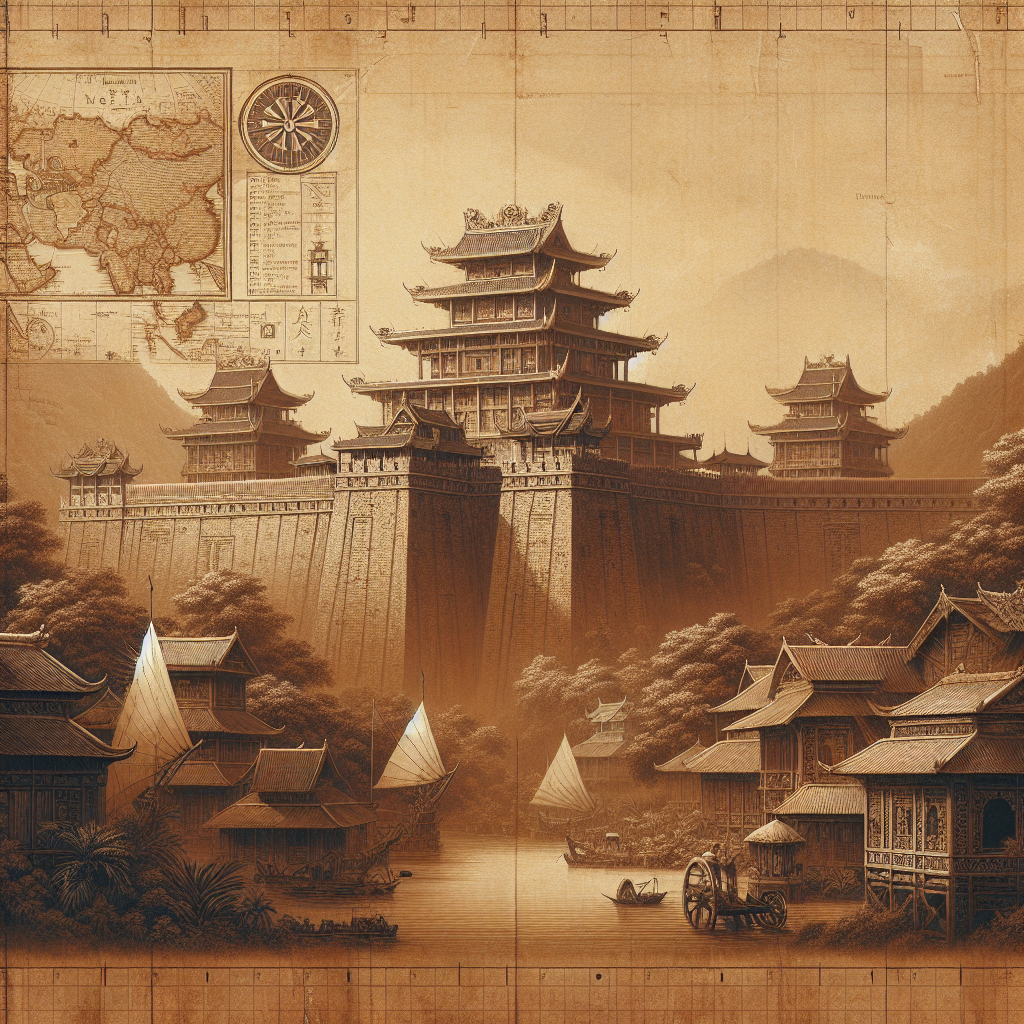

Northeast India is like a captivating symphony played by nature and its rich cultures, harmoniously converging to craft a spectacular visual feast for explorers and scholars alike. Encompassing eight distinct states—Arunachal Pradesh, Assam, Manipur, Meghalaya, Mizoram, Nagaland, Sikkim, and Tripura—this region is nestled in the enterprising lap of southeastern Himalayas. With over 200 ethnic groups each with its own language, traditions, and rituals, the region’s cultural tapestry is as vast as the majestic mountains lining its horizon.
Cultural Mosaic
The ‘Seven Sisters’ and their North-Eastern brother Sikkim, boasts a vibrant cultural fusion, enriched by festivals like Bihu in Assam, Hornbill Festival in Nagaland, and the extravagant dance dramas of Manipur. These are not mere celebrations but vibrant testimonies of centuries-old history. For an anthropologist or a casual traveler, the discoverability of new art forms and taste of traditional foods like the bamboo shoot and fish curries can feel like an unearthing of cultural treasure.
Majestic Landscapes
For those of us who find solace in nature’s grandeur, the region is a cornucopia of pristine beauty. From the living root bridges of Meghalaya, stretching their muscular roots across miles, to the delicate blooms in Sikkim's Yumthang Valley, it's hard not to get swept up in awe. Consider, for instance, the Kaziranga National Park in Assam—a UNESCO World Heritage site, home to the Indian one-horned rhinoceros amidst its grass-clad swathes—your textbook example of thriving biodiversity.
Historical Wonders
Exploring Northeast India is akin to stepping into a fascinating time capsule. Sites like the Kamakhya Temple in Assam, one of the 51 Shakti Peethas, offer an opulent peek into the region's ancient spiritual lineage. Simultaneously, the Krem Liat Prah in Meghalaya, which is Asia’s longest cave system, opens mysterious, enigmatic portals for the geologically curious.
The People and Their Life
Defying stereotypes, the people from these lands are a mellifluous blend of warmth and resilience. They offer travelers insights into unique music, arts, and way of life that remain somewhat untouched by the modern fast-paced world. One striking aspect is the matrilineal societies of Meghalaya where lineage and inheritance are passed through women, offering a reflecting pool for the broader societal views on gender roles.
Why Visit Northeast India?
Why wouldn’t you? Northeast India affords an excellent opportunity to expand your worldview in both cultural and environmental dimensions. Enthusiastic researchers and tourists ultimately gain more than picturesque photos; they gain perspective—an enriched appreciation of human and natural intricacies that flourish outside mainstream visibility. This region isn’t isolated by choice, but rather by its topographical venture where only the truly curious embark.
Adventure aficionados find ample opportunities awaiting—from river rafting in the turbulent Brahmaputra to trekking the formidable peaks of Arunachal Pradesh. Simultaneously, the serenity of the untouched landscapes serves nature lovers curious to immerse themselves in the symbiosis of rhythmic beauty and vibrant culture. Accessible by air, rail, or—as many enthusiasts choose—endless scenic road trips, each journey itself is a narrative worth being shared.
The Role of Science and Research
In this cultural and geographical canvas, new scientific studies continue to blossom. Researchers are mapping out the region’s rich biodiversity and exploring unique flora and fauna, some endemic only to these areas. Environmentalists and ecologists have much to learn and protect, especially when considering climate change's impact on this uniquely fragile ecosystem.
Preservation and Growth
With unique environments at stake, the impetus to maintain sustainable practices becomes exceedingly pertinent. Current generations in Northeast India are merging traditional customs with modern conservation methods, seeking not just growth, but sustainable growth that holds their profound respect for mother nature. The amalgamation of culture and modernization helps boost tourism and development without sacrificing ecology.
Nurturing a passion for exploring these territories is akin to embarking on a journey of wonderment—each corner of Northeast India waits with a legend or sight to take your breath away. So gear up with curiosity, respect, and open hearts for travels to terrain often overshadowed, but which houses some of the earth's most spectacular secrets waiting to unveil themselves with each footstep."