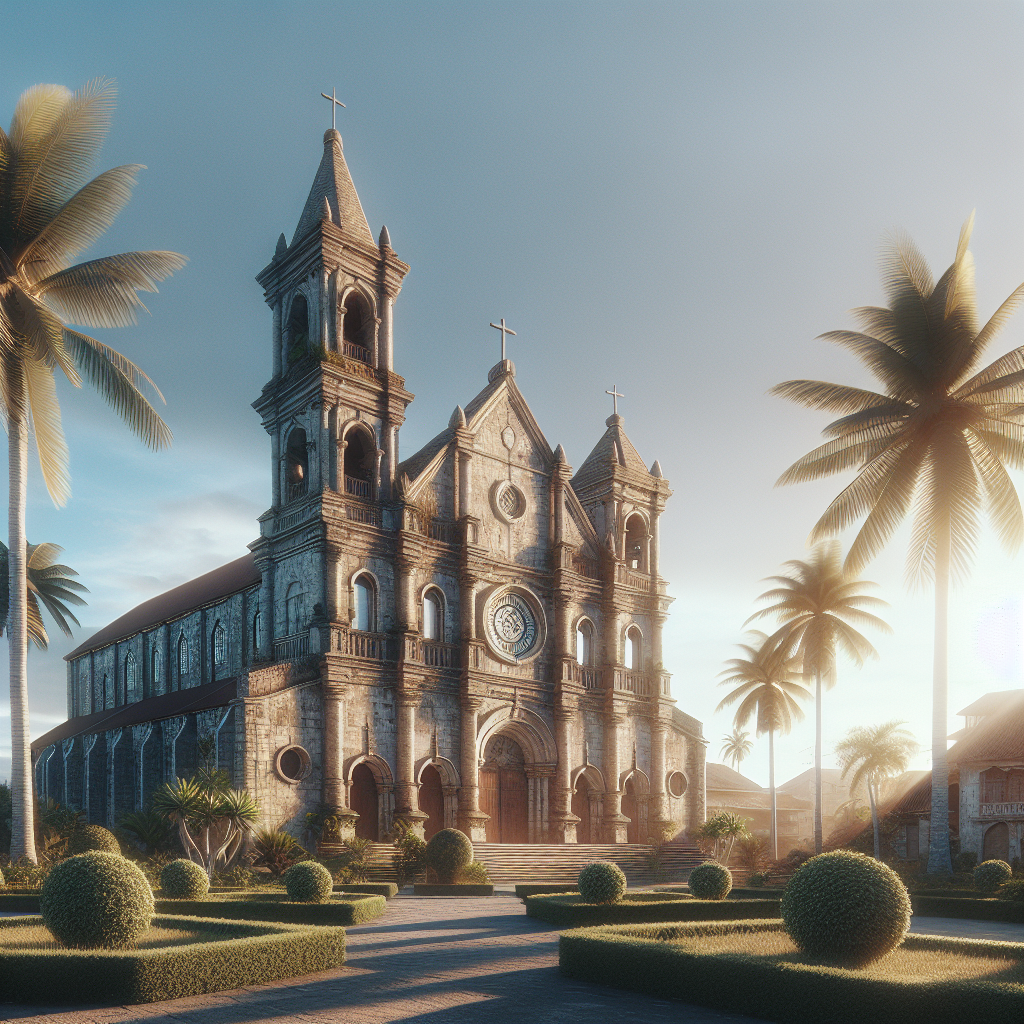

Namacpacan Church: A Beacon of Faith and History
When it comes to a splendid intertwining of history, culture, and faith, the Namacpacan Church in Luna, La Union is like opening a 300-year-old treasure chest—each creak unveils stories of resilience, spirituality, and deep-seated tradition.
Who, What, When, Where, and Why?
Nestled on the picturesque coast of the small town of Luna in La Union, Philippines, stands the Namacpacan Church, formally known as the Santa Catalina de Alejandria Church. Constructed during the late 17th century by Augustinian friars and finally completed in 1871, this majestic edifice has survived natural calamities and changing times, continuing to be a pillar of the local community's faith. The church has borne witness to both the subtle shifts and monumental changes in the local culture and spirituality of Northern Luzon. But why does this church hold such significance? It’s a fascinating blend of its architectural beauty, the miracles attributed to its Lady of Namacpacan—Our Lady of the Immaculate Conception—who reputedly reaches out to pilgrims with grace and answered prayers, and its standing as a vital hub of Catholicism in the region.
Architectural Splendor and Marvels
Designed in the Baroque style—a grandiose architectural movement characterized by detailed ornamentation and dynamic structures—Namacpacan Church commands an immediate sense of awe. The layout of the church itself is a reflection of traditional Spanish ecclesiastical architecture with a sprawling nave and a facade rich in iconography that embodies a narrative of colonial and spiritual history.
The interiors of the church continue the Baroque grandiosity, with high ceilings and intricate carvings throughout the altar and liturgical furniture. The antique bells that have tolled through generations and the stained-glass windows are not just decorative artifacts but narrators of time. When the sunlight streams through these windows, it paints a luminescent portrait of the church's storied past and steadfast faith.
Cultural and Spiritual Reflections
Namacpacan Church is more than just a historical edifice. It is a testament to the enduring spiritual devotion of its people. The name "Namacpacan" is derived from the Ilocano word "pakpakaamo," meaning "to invite," and indeed, the church has been inviting pilgrims and visitors to experience a deeper sense of faith and belonging for centuries.
Beyond the shadows of its towering walls lies the deeply rooted tradition of devotion to the Virgin Mary, manifest in the veneration of the image of Our Lady of Namacpacan. This image, aged yet pristine, is believed to have been instrumental in numerous miraculous happenings, fostering a pilgrimage tradition that draws the faithful from far and wide. The church's role in the annual feast of Santa Catalina de Alejandria, celebrated with vibrant processions and communal suppers, reflects its core importance in the cultural fabric of Luna.
The Church in the Tapestry of History
The Namacpacan Church has also played a critical role in the social and political arena over the centuries. As a gathering place, it became a site of strategic assembly during the Philippine Revolution against Spanish colonial rule and the American occupation. Its presence is not just spiritual but also a beacon of solidarity and identity for the people of Luna and the greater region of La Union.
Moreover, restoration efforts over the years have preserved its historic integrity, an undertaking that underlines the community's dedication to maintaining this historical legacy for future generations. Architects and historians have meticulously worked to retain its original splendor while subtly integrating modern conservation techniques.
Why You Should Visit Namacpacan Church
For those with a penchant for history, or simply a desire to witness the remarkable fusion of faith and culture, a visit to Namacpacan Church offers a chance to step into a serene world, where ancient traditions meet the calming embrace of coastal breezes. The Namacpacan Church stands not only as a monument of religious devotion but also as an emblem of cultural unity and historical perseverance.
Whether you're an architect keen on historical designs, a pilgrim seeking spiritual solace, or a traveler fascinated by Filipino heritage, the Namacpacan Church unfolds as a canvas of human endeavor, triumph, and spirit—painting a picture that remains as enlightening today as it did centuries ago.
To imagine the stories embedded in its walls, to hear the tales whispered by its statues and relics, to tread the very path walked by the faithful through ages, is to appreciate the intricate tapestry of history and humanity that the Namacpacan Church so resplendently represents.