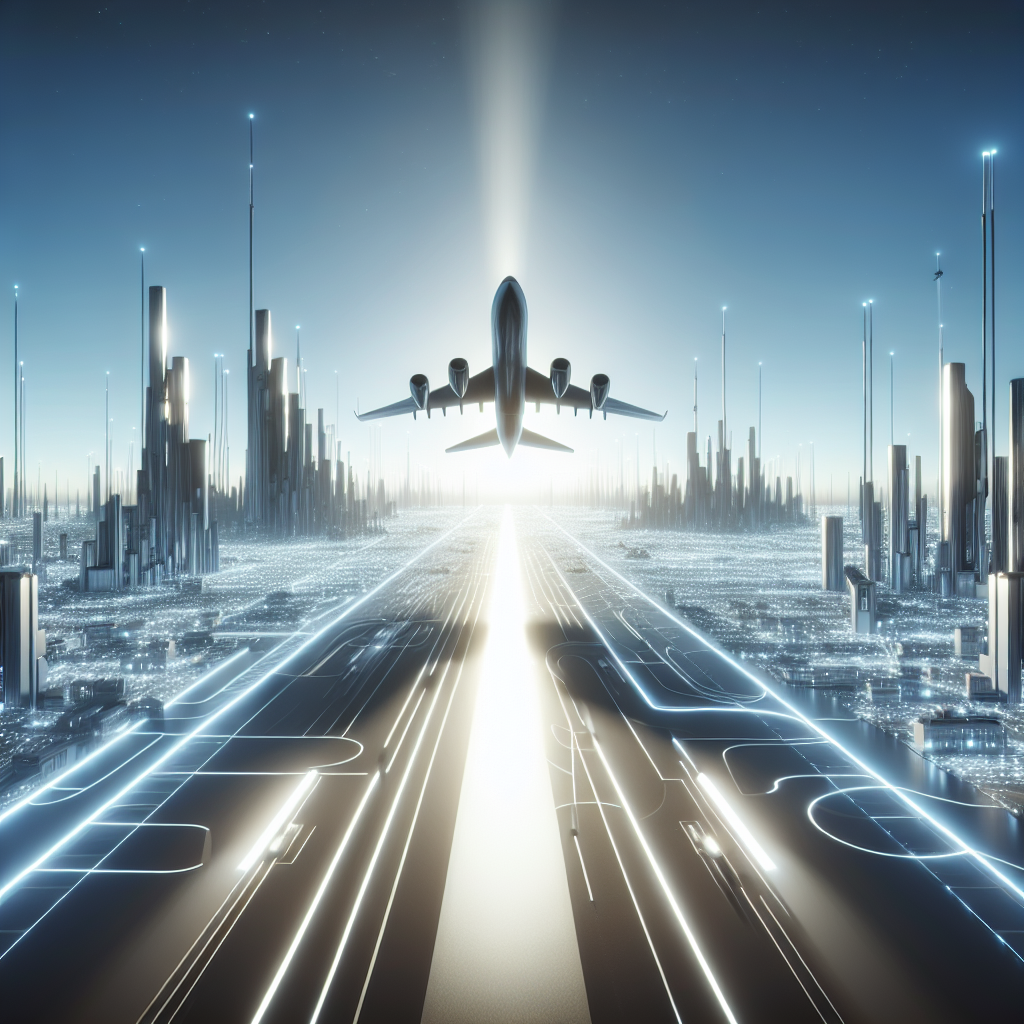

Leaving on a Jet Plane: The Science and Joy of Air Travel
Imagine soaring through the sky at 35,000 feet, sipping on a beverage while watching the clouds drift by—this is the magic of air travel! Airplanes, those magnificent flying machines, have revolutionized the way we connect with the world. The concept of air travel took off in the early 20th century, with the Wright brothers' first powered flight in 1903 in Kitty Hawk, North Carolina. Since then, aviation has evolved into a global industry, with millions of people flying daily to destinations around the world. But how do these colossal metal birds stay aloft, and why is air travel such a vital part of modern life?
The science behind flight is a fascinating blend of physics and engineering. Airplanes fly thanks to the principles of aerodynamics, which involve the forces of lift, weight, thrust, and drag. Lift is generated by the wings as air flows over them, creating a pressure difference that allows the plane to rise. Thrust, provided by engines, propels the aircraft forward, while drag and weight are forces that must be overcome to maintain flight. Engineers meticulously design aircraft to optimize these forces, ensuring safe and efficient travel.
Air travel has become an essential part of our interconnected world, enabling people to explore new cultures, conduct business, and visit loved ones across vast distances. The convenience and speed of flying have made it the preferred mode of transportation for long journeys. Airports have become bustling hubs of activity, with major cities like London, New York, and Tokyo serving as key nodes in the global network.
The environmental impact of air travel is a growing concern, as aviation contributes to greenhouse gas emissions. However, the industry is actively seeking solutions, such as developing more fuel-efficient engines and exploring sustainable aviation fuels. Innovations like electric and hybrid aircraft are on the horizon, promising a greener future for air travel.
In the meantime, the joy of flying continues to captivate travelers. From the thrill of takeoff to the breathtaking views from above, air travel offers a unique perspective on our planet. Whether you're a seasoned globetrotter or a first-time flyer, the experience of leaving on a jet plane is a testament to human ingenuity and our unending desire to explore the world. So next time you board a flight, take a moment to appreciate the marvel of modern aviation and the endless possibilities it brings.