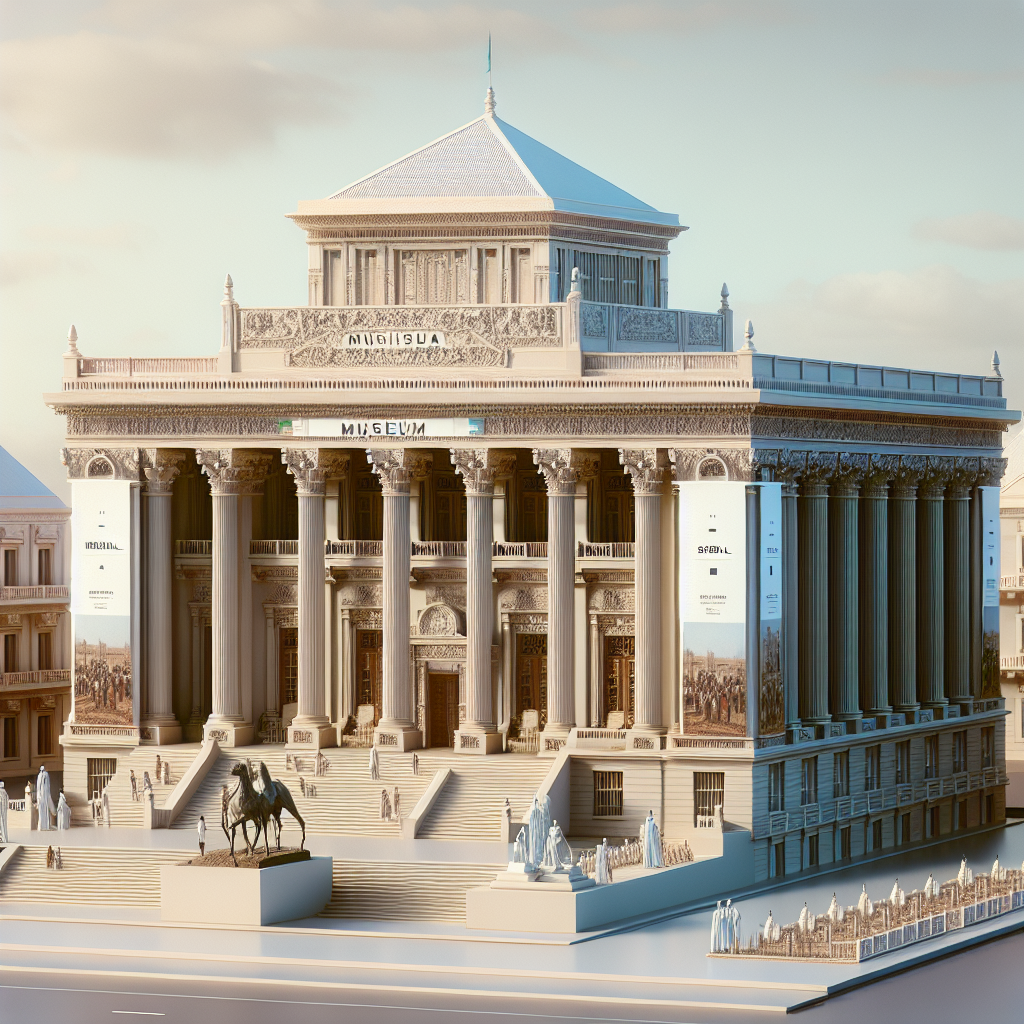

Gorée Island, perched amid the azure waters of the Atlantic Ocean off the coast of Senegal, isn't just any ordinary slice of land. It's a portal to the past, a canvas where stories of humanity's resilience and struggle are vividly painted. The Historical Museum of Senegal, located in this evocative setting, draws visitors into a time machine showcasing the rich tapestry of West African history, the echoes of the slave trade, and the enduring spirit of a people. The museum, established in 1989, is housed in a colonial building that recites its own history, making the visit an immersive experience.
A Gateway Through Time
Imagine standing at the threshold of a structure that is much more than brick and mortar; it is a gateway to understanding the deep historical narratives that shaped not just Senegal but also the Atlantic world. Gorée Island was a pivotal location in the transatlantic slave trade, and the museum today stands as a beacon of remembrance and education. Walking through its halls, one can almost hear the whispers of centuries past, filled with stories of sorrow and hope.
What You Will Discover
The Historical Museum of Senegal brings together a collection of artifacts, historical documents, and artworks that tell the story of West Africa before, during, and after the colonial period. One of its standout features is its ability to contextualize the broader implications of Senegal's history on the rest of the world. Archaeological findings within the museum offer insights into the rich cultural and societal structures that have existed in West Africa for thousands of years.
The museum's exhibits are thoughtfully curated to provide a narrative that is both comprehensive and accessible. Ordinary objects come to life with stories — woven fabrics, musical instruments, and traditional garb speak volumes about the daily lives and ceremonial practices of Senegal's diverse ethnic groups.
The Stories Behind the Walls
One particularly poignant section of the museum is dedicated to the transatlantic slave trade. Gorée Island was undeniably one of the central nodes in this brutal chapter of history. It is here, through photographs, writings, and personal accounts, that visitors come face to face with the very real human cost of the slave trade. This part of the museum is heart-wrenching yet vitally important, as it educates and fosters a deeper understanding of this shared history.
In contrast, the museum also emphasizes the resilience and creativity of the African diaspora. The achievements of African leaders, thinkers, and artists are celebrated, offering an optimistic vision of cultural rebirth and knowledge sharing across continents.
A Place to Learn and Reflect
This museum is not just a static repository of artifacts; it is a dynamic space where learning is encouraged and reflection is inevitable. Guided tours often elucidate the connections between the exhibits and the global interactions of different historical epochs. Visitors are left with a renewed understanding of how these historical narratives continue to influence modern societies.
Whether you’re a history buff eager to feed your curiosity or someone looking to understand more about the cultural heritage of Senegal, the museum offers an enlightening experience. By examining the past, we gain the ability to positively influence the present and future.
Why Gorée Island?
You might wonder why this small island was chosen as the site for such a significant museum. The answer lies in its geographical and historical significance. Situated just a few kilometers from Dakar, the capital of Senegal, Gorée Island was one of the first places where Europeans settled on the western coast of Africa. Its strategic position made it an ideal location for traders, explorers, and, regrettably, enslavers.
UNESCO recognized Gorée Island as a World Heritage Site in 1978, further emphasizing its importance as an archive of human history. Standing here, one can almost visualize the ships that once sailed these waters, the traders conducting business, and the cultural exchanges that transpired.
An Invitation to Explore
Walking out of the Historical Museum of Senegal is like stepping back into the present, but not without carrying a piece of the past with you. It enriches visitors with wisdom that transcends time and ignites a desire to make impactful changes in the world. History isn’t just in the past; it lives within us, shaping our societies, our institutions, and our lives in innumerable ways. The historical museum on Gorée provides not only a look back but also sets the stage for future growth and understanding—one that embraces the past and learns from it to craft a more harmonious global community.
In the grand tapestry of human history, places like Gorée remind us of our interconnectedness and the profound narratives we've inscribed on each generation. As you venture into the world and its history, remember that each place you visit is a piece of the puzzle that collectively narrates our human story.