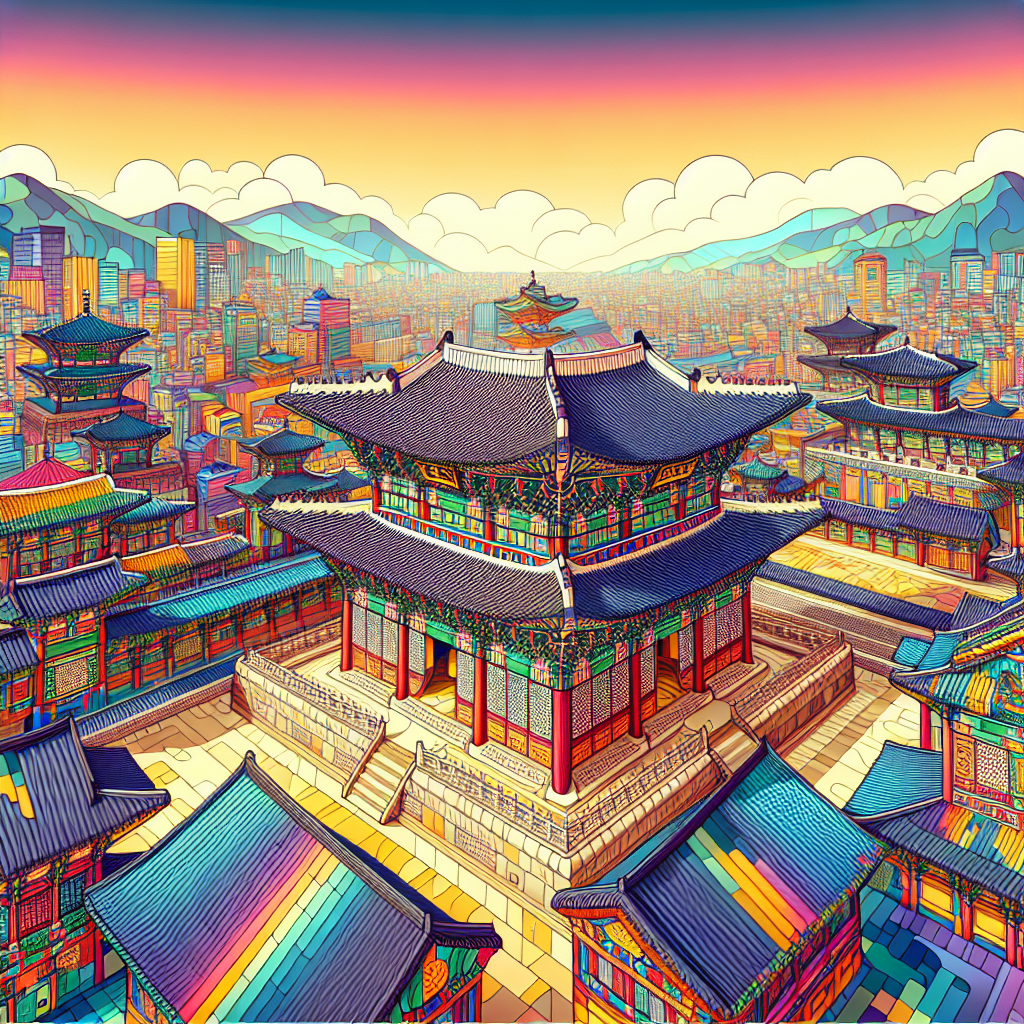

Gyeongbokgung Palace isn’t just a relic of bygone days; it’s like a narrative - rich, layered, and intriguingly beautiful! Established in 1395 by the Joseon Dynasty’s foremost founder, Yi Seong-gye, after he established the new capital in Seoul, South Korea, Gyeongbokgung isn’t only a masterclass in architecture but a testament to resilience and human ingenuity. This grand structure not only stood as a home to Korean kings but has also borne witness to Korea’s turbulent history, from dazzling royal ceremonies to the unfortunate invasions and tragic fires. Nestled in the heart of Seoul, Gyeongbokgung, which means ‘palace greatly blessed by Heaven,’ remains a cornerstone of South Korean culture and curiosity.
The Splendor of Joseon Architecture
The scientific-minded among us might wonder how architectural marvels from centuries ago still manage to leave us in awe. The styling of Gyeongbokgung is a bouquet of symmetry, simplicity, and grandiosity. When first built, it was the largest of the Five Grand Palaces constructed during the prosperous Joseon Dynasty. It combined gentle wooden curves and stately halls with the surrounding mountains of Bugaksan—a study in balance and harmony.
What differentiates Gyeongbokgung architecturally is the use of the ‘geunjeongsil,’ meaning 'throne hall,' famously known as Geunjeongjeon. This is where kings would govern with the virtue of heaven’s blessings. Beyond being a seat of power, the hall is a visual feast with intricate details carved into its wooden beams and stone bases; truly a marvel needing to be seen to be fully appreciated!
Historical Trials and Triumphs
Gyeongbokgung's history isn't just in stone and timber; it’s painted with strokes of human achievement and adversity. Sadly, the palace suffered extensive destruction during the Japanese invasions of the late 16th century, only to rise again with a grand restoration in the late 19th century under King Gojong’s command. However, the good fortune faced another adversity with the Japanese occupation starting in 1910, which saw a tragic dismantling of the Gyeongbokgung structures. Despite these overpowering losses, post-Korean War efforts have successfully rekindled the premise, redeeming it to nearly its original glory.
The narrative of Gyeongbokgung is a reminder of humanity’s endurance and an ever-resilient spirit, demystifying hard times with renewed wisdom. Today, ongoing restoration and conservation efforts help preserve it as a symbol of Korean cultural identity.
Practical Science Behind The Palace
For those of us enthusiastic about the complexities of our surroundings, including this ornate palace, Gyeongbokgung offers remarkable insights into historical construction technology and environmental adaptation. Its design perfectly aligns with the then-understood Confucian principles and harnesses the natural landscape for optimized aeration and light. It’s like a textbook of ancient ecological engineering wrapped in an artistic facade!
While our modern minds marvel at the towering skyscrapers that illuminate Seoul’s skyline, stepping into Gyeongbokgung is a journey into the incredibly advanced knowledge of past civilizations. With each visit, it never ceases to fascinate both local and international visitors.
Modern Exploration and Cultural Revival
As we embrace the modern era, Gyeongbokgung stands as an accessible treasury of history and culture. For those lucky enough to visit, everything from the regal changing of the guards’ ceremony, meticulously recreated to honor ancient customs, to the awe-inspiring pagodas offers a masterclass in cultural exploration.
Equipped with museums housing national treasures and replicas of traditional crafts, the palace acts as a beacon for cultural aficionados and curious minds alike. The nostalgia of witnessing musicians playing traditional instruments—the 'gayageum' and 'haegeum'—strikes a resonance with bygone melodies, fostering a cherished connection between the past and future.
Why Gyeongbokgung Matters Today
Understanding Gyeongbokgung is akin to understanding Korea itself—a symphony of tradition, reverence, and an evolutionary journey encapsulating relentless hope. As humanity marches into globalized tomorrows, remembering and preserving such heritage sites empowers us to acknowledge past narratives.
Every stone and beam of Gyeongbokgung is a page in our collective human story—a testament to the beauty sparked by human endurance. And so, whenever you find yourself under its ancient eaves, know you're stepping onto the threshold where history and modernity harmonize, inviting us to keep learning from the astonishing saga of humanity's indomitable spirit.