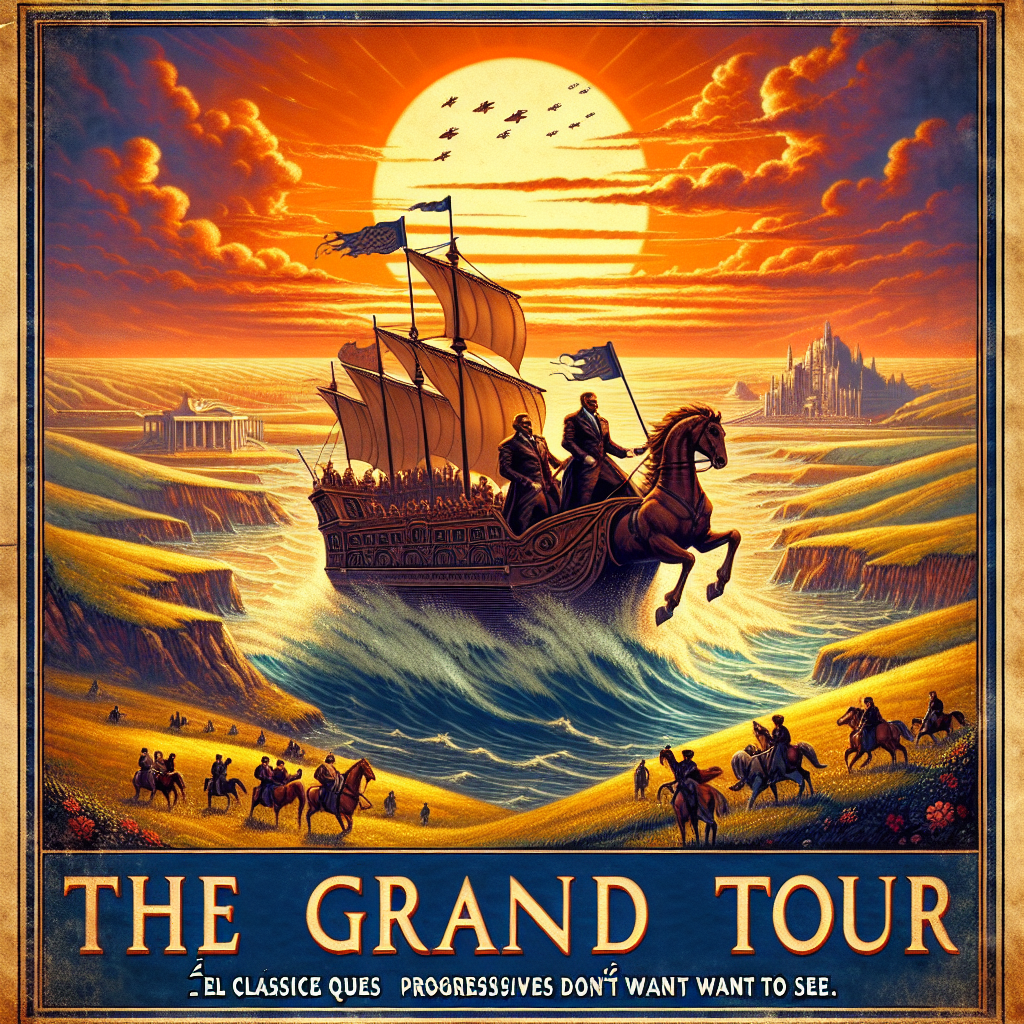

Life imitates art, but in the 17th and 18th centuries, life inspired a journey: The Grand Tour. The 'Grand Tour: The Classic' was not merely a trip or vacation; it was an essential rite of passage for young, affluent Europeans, particularly the British nobility. This travel experience, typically undertaken after completing university studies, served as the capstone of an elite education, providing cultural immersion, adventure, and profound personal development.
A Cultural Pilgrimage of Yesteryear
The classic Grand Tour, mainly taking place from the late 1600s to the early 1800s, was a journey through Europe intended to educate and broaden the minds of young aristocrats. But why was it so significant? Predominantly, the tour covered France, Italy, and sometimes extended to the German-speaking regions and the Low Countries. This journey primarily served to foster an appreciation for art, architecture, antiquity, and other cultures, crafting an understanding of local customs and historical contexts.
Pathways to Enlightenment: The Route
Participants of the Grand Tour followed a somewhat standardized route, which could take anywhere from several months to many years. The journey usually commenced in London, crossing the English Channel to France. Paris was often the first major stop, serving as a gateway to French culture and language refinement.
From there, travelers ventured into the Swiss Alps, possibly stopping by Geneva, before descending into the opulence of Northern Italy. Italy was, indisputably, the crown jewel of the tour. The cities of Venice, Florence, and Rome were obligatory destinations. Florence offered Renaissance art, Rome brought antiquity to life with its relics, and Venice stunned with its unique waterways and vibrant music scene.
The Knowledge Seekers and their Guides
These journeys were not undertaken alone. Most of the young men embarking on the Grand Tour were accompanied by a cicerone or bear-leader, who acted as a guide, mentor, and sometimes a protector. These companions were knowledgeable in European languages, history, and the arts, ensuring the travelers' experiences were as enlightening as possible.
Often, The Grand Tourists documented their travels with journals and letters, providing us richly detailed accounts of their experiences and insights beyond borders. These documents are historical gold mines today, capturing the essence and challenges of traversing Europe centuries ago.
Art, Architecture, and Antiquity
Every city along the Grand Tour offered deep dives into cultural wealth. In Paris, travelers soaked in the enlightenment of learning the customs and sophistication of the French court life. Upon reaching the Swiss plains, they were met not just with breathtaking landscapes but also with philosophical enlightenment at various Swiss academies, if they so desired.
In Italy, art aficionados were engrossed with Michelangelo’s David and Botticelli’s masterpieces. The Eternal City, Rome, unfolded its ancient stories through the Colosseum and the Pantheon. In Venice, cultural connoisseurs relished the opera and fine Italian cuisine.
Grand Tour’s Legacy and Impact
The implications of the Grand Tour stretch beyond just the individuals who took part; it had a significant societal impact. The wealth of experiences accrued by these travelers surged back into their home societies, influencing art, architecture, literature, and even the Grand Tourists' home landscape designs.
This period bore witness to a cross-pollination of ideas and aesthetics across regions. This phenomenon led to the spread of neoclassicism and the Romantic movement. In a more direct way, these young men took these influences and often translated them into policies or artistic endeavors upon returning home.
Brimming with Optimism and Curiosity
What makes 'The Grand Tour: The Classic' so captivating today, centuries later, is the optimistic spirit of exploration and learning it embodied. It was a dynamic interplay of accumulated wisdom and youthful endeavor, where tradition harmonized with progressive thinking. As we fast-forward to our current digital age, the Grand Tour reminds us of the timeless importance of embracing diverse cultures and expanding our horizons.
In today’s interconnected world, while the necessity of such grand itineraries may have diminished, the spirit of the Grand Tour thrives within each adventurous heart and every curious mind. They urge us to explore, learn, and grow. Whether you are traversing Europe aboard a high-speed train or traversing the web with a click, the essence of such a journey is to seek understanding, foster creativity, and to evolve as global citizens.
Final Thoughts
The Grand Tour was a symphony of discovery, captivation, and exuberant learning. It remains a storied predecessor of the modern wandering soul, whose thirst for knowledge and challenge of discovery continue to fuel our journeys across the realms of culture, art, and history. In channeling the spirit of the Grand Tour, let us remain curious and optimistic, daring to step into the vast cultural potential awaiting beyond our own spheres.