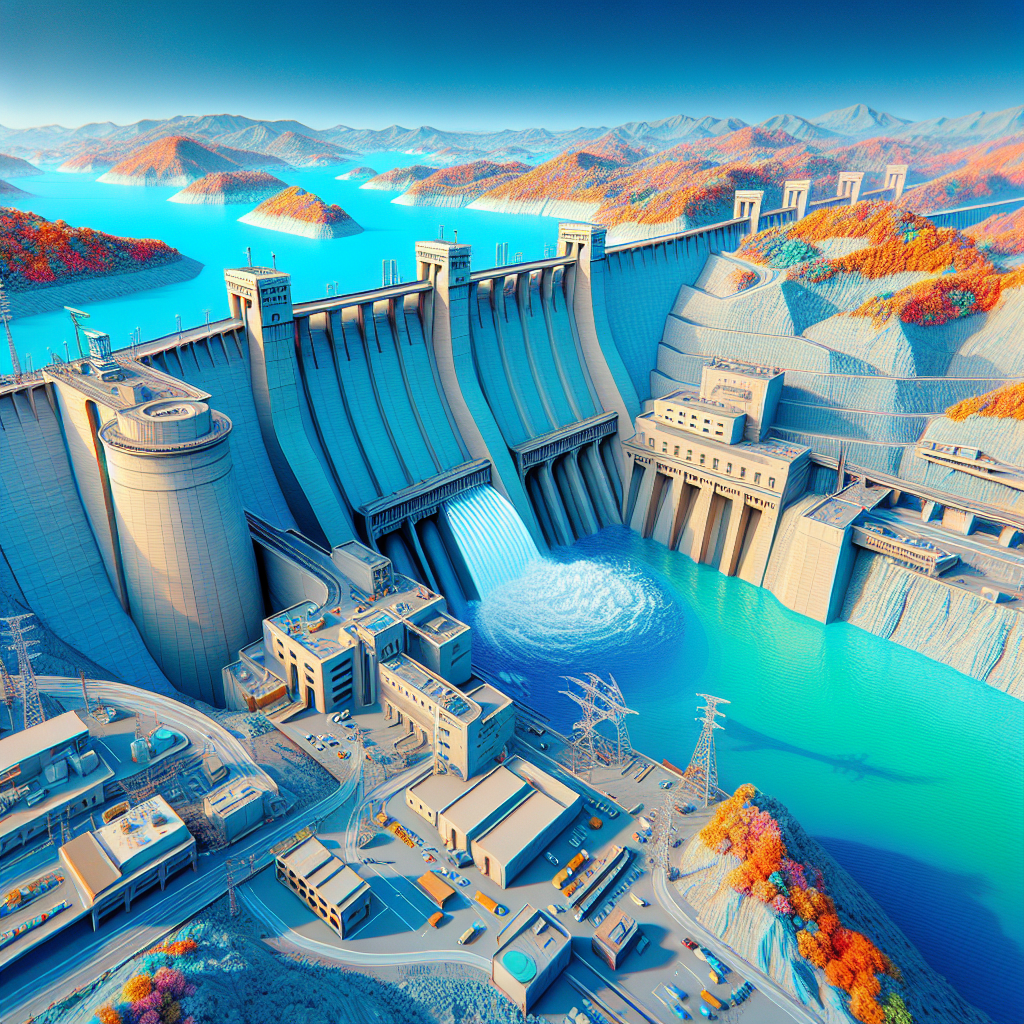

Have you ever thought about a dam being more than just a barrier of water?
Imagine it as a grand symphony conductor, skillfully controlling the ebb and flow of a river’s rhythm, all while maintaining an ecological balance and energizing entire communities. Welcome to our exploration of the Fukuoka Dam! Situated in the dynamic scenery of Fukuoka Prefecture on Japan’s island of Kyushu, this marvel is not only a feat of engineering but also an ecosystem enhancer and power provider. Ingeniously designed and strategically located, Fukuoka Dam was constructed to manage water supply, flood control, and serve both agricultural and urban needs since its completion in the 20th century.
Breaking Down the Science Behind Fukuoka Dam
Fukuoka Dam is a stunning example of human ingenuity, yet its operation is based on elegantly simple principles. Dams operate fundamentally as barriers that obstruct water flow, creating reservoirs which can then be utilized for multiple purposes. But why is this simple act of obstruction so crucial? Behind every dam, science and complexity come into play. Fukuoka Dam not only helps in regulating water flow and distributing water resources but also significantly contributes to energy generation through hydropower.
Hydropower, one of the cleanest forms of energy production, harnesses the potential energy stored in water. As water descends from the reservoir through turbines, it generates mechanical energy, which is then converted into electrical energy by generators. Not only does Fukuoka Dam contribute to reducing carbon emissions, but it also ensures a steady supply of renewable energy that sustains the vibrant city of Fukuoka and surrounding areas.
Building Resilience with Nature's Flow
Handling seasonal fluctuations in rainfall is another benefit offered by the Fukuoka Dam. Seasons bless (and sometimes challenge) Japan with varied rainfall patterns, and the dam plays a pivotal role in flood control. During periods of heavy rainfall, the dam's storage capacity allows controlled release of water, minimizing the threat of floods and preserving life and property.
Moreover, the regulation of river flow contributed by such dams offers significant agricultural benefits. Farmers in the area depend on the reliable supply of water provided by Fukuoka Dam for irrigating their crops, ensuring food security and enabling agricultural prosperity in the region.
The Human Side of the Equation
While we marvel at the feats achieved by Fukuoka Dam, we must also appreciate the socio-economic improvements that come with it. By merging technological advancement with sustainable practices, the dam sustains local economies by paving the way for recreational activities and tourism.
The pristine environment around the reservoir attracts nature enthusiasts and tourists alike, creating employment opportunities and nurturing local businesses. Walking paths, picnic spots, and educational tours make the dam a vibrant educational destination, enhancing community engagement and environmental awareness.
An Optimistic Look Towards the Future
What makes Fukuoka Dam not just a story of engineering but of optimism? It's about how humanity continues to innovate while respecting and harnessing nature. Current global trends focus on sustainability, and Fukuoka Dam stands as a testament to the fact that civilizations can meet their energy, water, and agricultural needs without compromising the natural world. With continuous technological advancements, smart management, and ecological awareness, structures like the Fukuoka Dam symbolize a future where balance and innovation coexist.
Ultimately, the tale of Fukuoka Dam is one of human achievement powered by a respect for our planet’s natural resources. It’s a testament to the incredible things humanity can accomplish when we blend scientific knowledge with optimism for creating a brighter, more sustainable future.
As we continue to explore and discover, may the story of Fukuoka Dam inspire future generations to think creatively, act sustainably, and welcome the marvels of engineering as partners in stewardship of our precious earth.