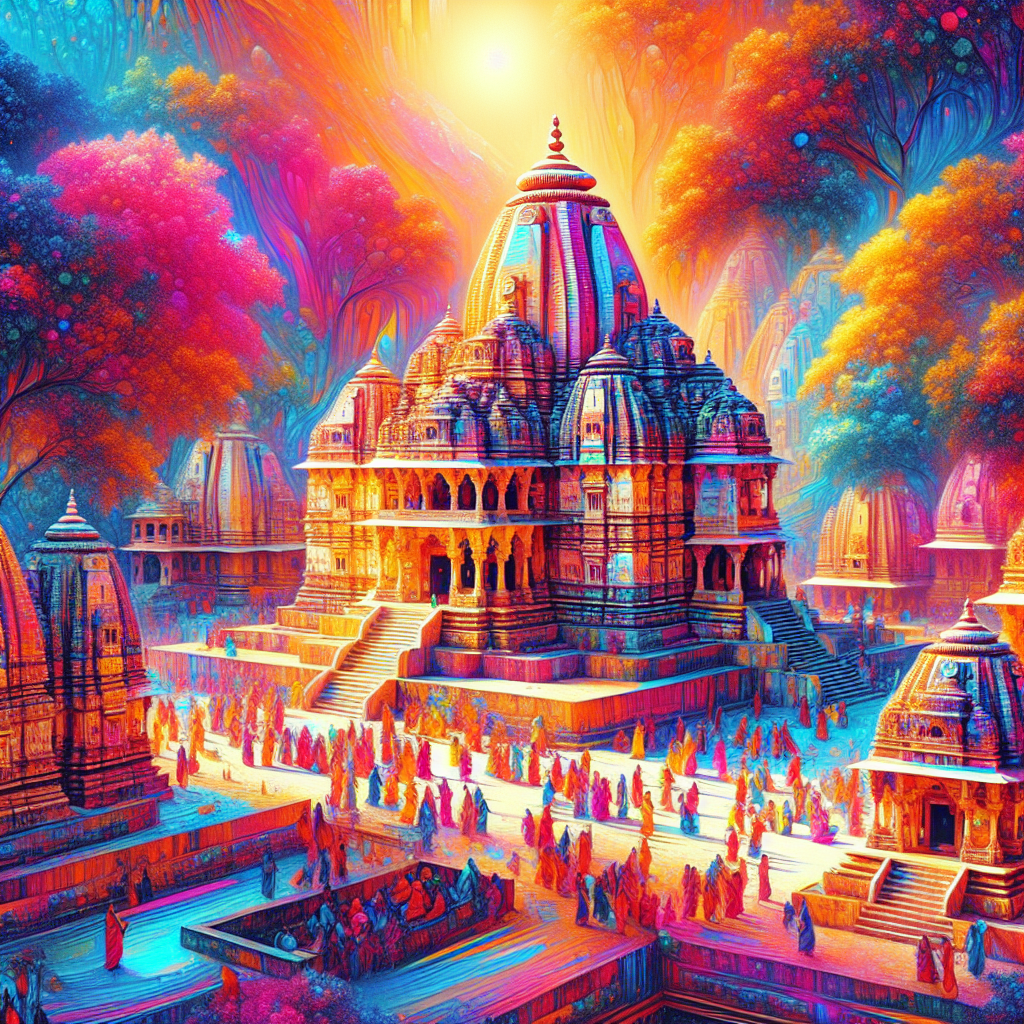


If you’re on the hunt for a place where the mystical and the geographical meld together in a wondrous waltz, pack your bags and head to Amarkantak! Located in the heart of India, in the border region between the Indian states of Madhya Pradesh and Chhattisgarh, Amarkantak is a unique confluence of history, religion, and nature. It has been a focal point for pilgrims and travelers for centuries. The fact that it is the source of not one, but two major rivers—the Narmada and the Sone—makes its geographical significance undeniable. Now, add India's rich tapestry of myths and legends, and you've got a mosaic that promises learning journeys beyond mere vacations.
The Geographical and Ecological Marvel
Amarkantak sits at the meeting point of the Vindhya and Satpura mountain ranges and is part of the Maikal Hills. This elevated terrain plays a crucial role in its climate and biodiversity. The elevation ensures cooler temperatures, even during peak summers, making it a welcomed retreat for those seeking solace from the scorching plains below. The area is rich in devegetation, hosting a paradise of rare herbal plants and endemic species that invite researchers and botanists alike to explore its secrets.
This geographic marvel is not merely a treat for the eyes. It also serves as an essential watershed that nurtures the Narmada River, often referred to as the lifeline of Central India. The river’s journey starts here, winding through states and nurturing civilizations dating back thousands of years. Similarly, the Sone River begins its expeditions from Amarkantak, enhancing its reputation as a cradle of waterways.
Legends and Lore: The Cultural Tapestry
One cannot speak of Amarkantak without noting its immense mythological significance. Known as 'Teerthraj' or 'the king of pilgrimages,' Amarkantak is the canvas upon which tales from Hindu mythology are painted in vibrant hues. It's said that the Narmada was born from the sweat of Lord Shiva; the river carries layers of legend as it graces the landscape.
Numerous temples pepper the area, including the Narmada Udgam Temple and the ancient Mai Ki Bagiya. These structures, more than mere relics of religious architecture, are vibrant vestiges of a time when divinity was narrated through stone and chisel. Exploring these temples isn't just a physical journey; it’s an expedition through the annals of time.
The Spiritual Allure
The magnetism of Amarkantak is not confined to naturalists or historians. Spiritual seekers will find this spot a true haven of peace. It is reputed to be a place where sages like Maharishi Patanjali and Bhrigu Muniji meditated, which adds layers to its spiritual allure. It is a destination where meditation isn’t just practice but a shared act that joins one to the saints and seekers of yore.
When stepping into the sacred geometries of Amarkantak’s temples, one is bound to feel a certain groundedness that is difficult to articulate scientifically but is profoundly real nevertheless. Many find that their time spent here enriches them spiritually, especially during the cooler mornings when the mist hugs the landscape.
Personal Adventures amid Natural Beauty
While Amarkantak is a testament to India's mythological richness, the adventurous will find ample opportunities for exploration. Whether you’re a trekking enthusiast or someone who finds their zen near gentle streams and cascading waterfalls, this scape has something for everyone. Trekking trails crisscross the luscious forests and hills, offering experiences that range from gentle walks to challenges demanding more stamina.
Kapil Dhara and Dudh Dhara are two waterfalls that must make it to any visitor’s itinerary. The serene beauty of Kapil Dhara, said to be named after sage Kapila, juxtaposed with the eye-catching cascades of Dudh Dhara can refresh your mind and spirit.
The Resonance of Community
Amarkantak is more than just a place—it’s a vibrant community that has been embracing travelers for generations. The gracious residents embody a culture steeped in devotion, environmental stewardship, and hospitality. This sense of community extends to the myriad fairs and festivals that dot the calendar, such as the Narmada Jayanti, which captures the essence of both ecological and theological reverence.
Factoring in sustainable tourism, local initiatives have started educating visitors on the ecological and cultural preservation of this sacred site, emphasizing an ethos of mindfulness, care, and sustainability. This approach ensures that Amarkantak continues to be a nurturing soil for both spiritual growth and ecological diversity, cherishing its cultural wealth and supporting the communities living therein.
Why Amarkantak Deserves Your Attention
In a world increasingly dominated by the digital and the fast-paced, Amarkantak represents an oasis of restoration and enrichment. Walking these paths, glimpsing the waterfalls, and losing yourself in the chants of temple hymns, you will quickly discover that this destination is less a locale and more a storyline of interconnected existences, a stage where human narratives and natural chapters intertwine.
Whether you are anthropologically inclined, a geology enthusiast, culturally curious, or simply seeking peace, Amarkantak offers profound understanding and connection. It stands as a reminder of the naturally intricate weaves that bind humanity to its landscape, meticulously crafted by time, tradition, and terrestrial wisdom.