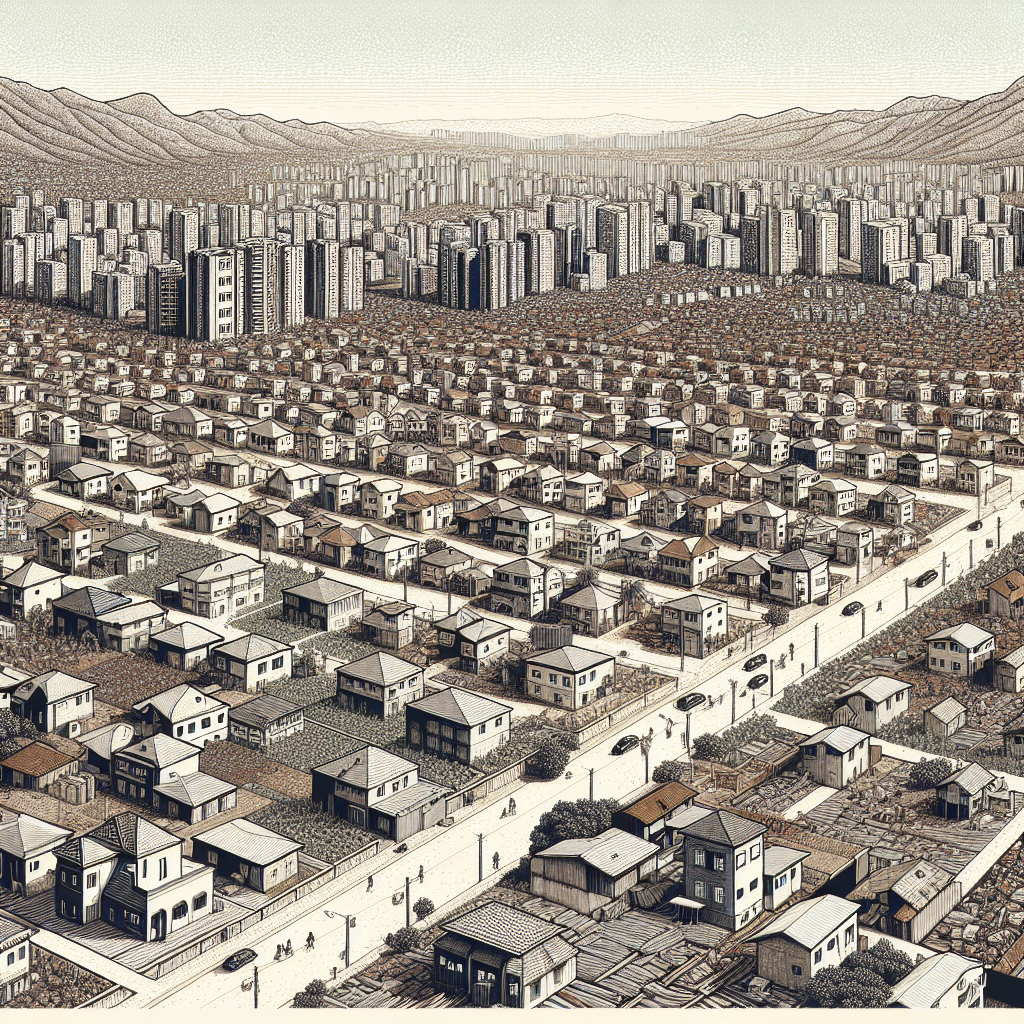

Unveiling Alipašino Polje: A Mosaic of History and Urban Life
Have you ever wandered through a place where time seems interwoven with every street and building, revealing a unique blend of past, present, and future? Welcome to Alipašino Polje, a distinctive neighborhood nestled in Sarajevo, Bosnia and Herzegovina. Constructed primarily during the 1970s, Alipašino Polje is an area steeped in history, urban development, and cultural significance. It played a significant role during the Yugoslav era of post-war reconstruction, nestled within the larger fabric of Sarajevo, a city that itself is a vibrant tapestry of stories.
The Birth of Alipašino Polje
To truly appreciate Alipašino Polje, one must travel back to its origins in the early 1970s, a period of ambitious urbanization across former Yugoslavia. As Sarajevo expanded with increased industrialization and population growth, there was a pressing need for residential complexes that could accommodate this vibrant urban influx. Enter Alipašino Polje: envisioned as one of the solutions to cater to this growing demand for housing.
Under the hands of innovative architects influenced by modernist trends, Alipašino Polje emerged as a paragon of 20th-century urban planning. The neighborhood was planned with a futuristic vision in mind—an embodiment of Drago Galić’s innovative architectural philosophy that champions functionality, accessibility, and a harmonious integration with the environment.
Architecture and Urban Planning
Alipašino Polje's allure extends beyond its mere functionality; it represents a fine marriage of modernist architecture and urban pragmatism. The neighborhood is divided into three blocks, known locally as “A,” “B,” and “C,” each hosting a diversity of residential towers that cater to a variety of socio-economic groups.
What makes the architectural layout distinctive is its open, spacious approach—a concept aimed at promoting community interaction and facilitating easy access to amenities. Lush green spaces intersperse the residential buildings, offering a breath of fresh air and a softening of the stark urban geometry. These spaces provide not only aesthetic beauty but crucial refreshment zones, echoing the environmental considerations of its creators.
A Cultural Confluence
The cultural richness of Alipašino Polje mirrors the diversity of Sarajevo itself. Over the decades, the neighborhood has evolved into a multicultural hub, seasoned by its heterogeneous population. It is home to people from different ethnic and cultural backgrounds, reflecting Bosnia's broader demographic mosaic.
In this urban theatre, each day presents a chance to engage with a mixture of languages, customs, and cuisines. From bustling local markets teeming with fresh produce to community events that bring together various cultural traditions, Alipašino Polje is a living, breathing cultural textbook for anyone eager to learn about coexistence and cultural synergy.
The Role in Historical Context
Alipašino Polje is not merely a backdrop for contemporary urban life; it also carries the indelible imprints of history. The scars of the Bosnian War (1992-1995) are present on its buildings and in the collective memory of its inhabitants, a stark reminder of the area's resilience. However, the story does not end there. Alipašino Polje has been reborn through efforts of reconstruction and reconciliation, epitomizing the spirit of renewal and peace-building.
Contemporary Alipašino Polje
Today, Alipašino Polje stands as a vibrant district within the dynamic city of Sarajevo, continuously growing and adapting to modern urban needs. The area has become a focal point for educational, recreational, and economic activities.
Modern developments are threaded with historical resonances, and the neighborhood boasts a variety of services such as schools, sporting facilities, and healthcare centers, meeting the demands of its diverse population. This infrastructural commitment underscores the neighborhood as a model of inclusive urban development, relevant to cities around the globe grappling with similar demographic and developmental challenges.
Why Alipašino Polje Matters
Alipašino Polje is more than just a geographical entity—it embodies the essence of architectural ambition, cultural confluence, and historical resilience. As global urban centers face calls for sustainable, inclusive planning, the story of Alipašino Polje can inspire urbanists and policymakers alike. With its lessons in harmony and pragmatic urban planning, this neighborhood teaches us not only about housing but living—how communities can thrive amidst shared histories and vibrant diversities.
Whether you are a keen urban planner, historian, or curious traveler, exploring Alipašino Polje is like opening a colorful chapter in the grand book of humanity—a chapter filled with lessons on how to gracefully intertwine the lines of our past with the vibrant strokes of our collective future.