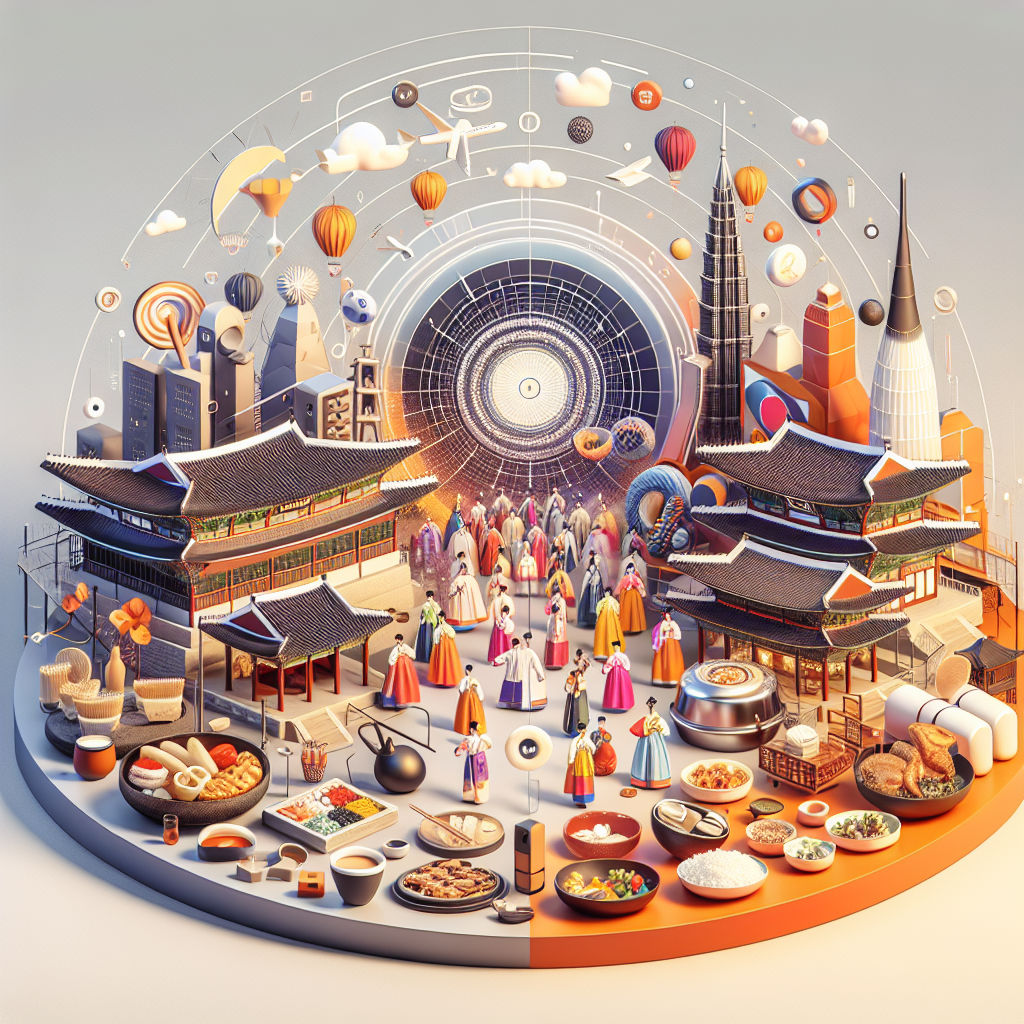

Discovering 100 Cultural Symbols of Korea: A Journey Through Time and Tradition
Imagine embarking on a vibrant journey through the heart of Korea, where each cultural symbol tells a story of resilience, beauty, and tradition. Korea, a country rich in history and culture, is home to a plethora of symbols that have shaped its identity over centuries. From the iconic hanbok to the revered taeguk, these symbols are celebrated by Koreans and admired worldwide. This exploration of 100 cultural symbols will take you through the who, what, when, where, and why of Korea's fascinating cultural tapestry.
The Hanbok: A Timeless Garment
The hanbok is a traditional Korean dress that dates back to the Three Kingdoms of Korea (57 BC – 668 AD). Worn by both men and women, it is characterized by vibrant colors and simple lines without pockets. The hanbok is not just clothing; it represents Korean identity and is worn during festivals, celebrations, and ceremonies. Its design reflects the Korean philosophy of harmony and balance, making it a symbol of elegance and grace.
The Taeguk: Harmony and Balance
The taeguk, found at the center of the South Korean flag, is a symbol of the universe's balance. It represents the dual forces of yin and yang, embodying harmony and the cyclical nature of life. This symbol is deeply rooted in Korean culture and philosophy, influencing everything from art to architecture.
Kimchi: A Culinary Icon
Kimchi, a staple in Korean cuisine, is a spicy fermented vegetable dish that has been a part of Korean meals for centuries. It is not only a symbol of Korean culinary tradition but also a representation of the country's agricultural heritage. Kimchi-making, or "kimjang," is a communal activity that brings families and communities together, emphasizing the importance of cooperation and sharing.
The Korean Alphabet: Hangul
Hangul, the Korean alphabet, was created in the 15th century by King Sejong the Great and his scholars. It is celebrated for its scientific design and ease of learning, making literacy accessible to all Koreans. Hangul is a symbol of national pride and cultural identity, representing Korea's commitment to education and innovation.
The Korean Wave: Hallyu
Hallyu, or the Korean Wave, refers to the global popularity of South Korea's cultural economy, including music, movies, and television dramas. This phenomenon began in the late 1990s and has since become a significant cultural export, symbolizing Korea's influence on global pop culture. K-pop, K-dramas, and Korean cinema have captivated audiences worldwide, showcasing Korea's creativity and talent.
The Gyeongbokgung Palace: A Historical Marvel
Gyeongbokgung Palace, built in 1395, is a stunning example of traditional Korean architecture. Located in Seoul, it served as the main royal palace of the Joseon dynasty. The palace is a symbol of Korea's rich history and cultural heritage, attracting millions of visitors each year who come to admire its beauty and learn about Korea's past.
The Korean Tiger: A Symbol of Strength
The Korean tiger, often depicted in folklore and art, symbolizes strength, courage, and protection. Historically, tigers were believed to guard against evil spirits and were revered as sacred animals. Today, the Korean tiger continues to be a powerful symbol of national pride and resilience.
The Lotus Flower: Purity and Enlightenment
In Korean culture, the lotus flower is a symbol of purity, enlightenment, and rebirth. It is often associated with Buddhism, which has played a significant role in shaping Korean spirituality and art. The lotus flower's ability to bloom beautifully in muddy waters is seen as a metaphor for overcoming adversity and achieving spiritual growth.
These are just a few of the 100 cultural symbols that define Korea's rich and diverse heritage. Each symbol offers a glimpse into the values, beliefs, and traditions that have shaped Korean society over the centuries. As you explore these symbols, you'll discover a culture that is both deeply rooted in tradition and dynamically evolving, reflecting the spirit and resilience of the Korean people.