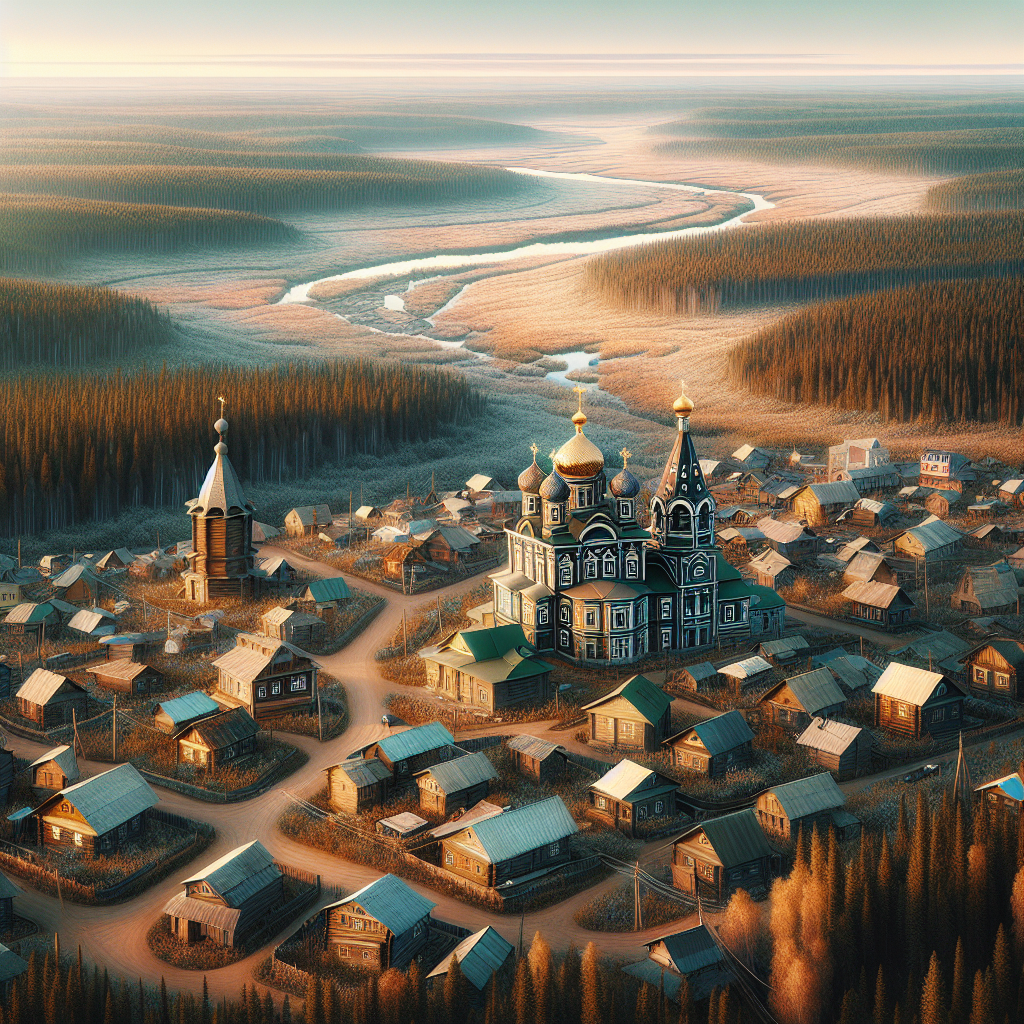

If you ever wondered what life is like at the crossroads of Russia and China, Zabaykalsk might just captivate your imagination. Imagine standing on the edge of Siberia, in the eastern stretches of Russia, where coal-powered trains chug tirelessly from Russia’s heart to the booming east, and you have found yourself in Zabaykalsk. Established as a strategic border town, Zabaykalsk became an official settlement in the early 20th century and has been a site of cultural, economic, and political exchange for over a hundred years.
This tiny town—both a gateway and a barrier—sits in the Trans-Baikal region, part of Zabaykalsky Krai. It remains the key crossing point between Russia and its powerful neighbor, China. This unique position means Zabaykalsk has long been an artery for commerce, from the dusty caravans of the past to today's busy border station. Yet, beneath this bustling surface, Zabaykalsk embodies the intricate dance of tradition against the backdrop of modern economic forces.
The residents here have lived at this geopolitical hinge for generations. From a political perspective, it's a microcosm of East meets West. The world they inhabit feels simultaneously untouched by time with its traditional Russian wooden architecture, and undeniably modern, facilitated by the flow of Chinese goods and influence. Young people, specifically, navigate a confluence of these forces, balancing their roots with the temptations and opportunities offered by proximity to one of the fastest-growing economies in the world.
Despite its weighty role in geopolitics, Zabaykalsk is not widely known beyond those who have vested interests in the region. It poses a contrast to the sprawling, familiar metropolises like Beijing or Moscow, holding a charm that captures those willing to look beyond the evident cross-border commerce. The town may not boast the grandeur of the world's bustling capitals, but its identity is no less significant.
Zabaykalsk’s economic vitality pivots predominantly around railway transportation. The railway is more than infrastructure here; it’s lifeblood. It's essential in connecting Russia with Asian markets, underlining the strategic importance of this small town. However, with this train comes a load of complexities. Trade brings jobs, wealth, and development, but also struggles such as smuggling and cross-border crime.
While Zabaykalsk thrives as a commercial hub, one cannot ignore the environmental costs. The trains, often laden with coal, remind us of the unsustainable practices and the global responsibility of transitioning to greener energy—an issue echoing in many parts of the world today. Balancing economic interests with ecological sustainability is not unique to this town but critical for its future.
Culturally, Zabaykalsk stands as a patchwork, weaving together Russian and Asian influences. Although primarily Russian, the town’s cultural landscape features traces of Mongolia and China, reflected through culinary traditions, festivals, and trade goods. The town becomes a symbol of intersectionality in an era where some push for globalization while others champion nationalism.
Speaking of cultural intersection, the tense dynamics, given the political climate between Russia and China, bring to the forefront different ideologies and governance approaches, not just at a national level but for the people who live here. Residents manage a delicate coexistence between these two mighty giants, fostering a relatability for anyone living in such duality.
Younger generations in Zabaykalsk find themselves uniquely poised on this world stage. They are both Russian and citizens of the world, privy to the dualities of their heritage and their global future. As global citizens, many of these youth dream not only of opportunities beyond their borders but also grapple with the reality of migration and changing identities.
Intersecting political, economic, and cultural streams in Zabaykalsk paint a picture that’s far richer than the map might suggest. It's a place recalling bygone eras of the Silk Road, with an intensity that whispers stories of frictions past and present, of cooperation and conflict, of tradition standing firm against the tides of change.
As modern boundaries continue to redefine themselves politically and ideologically, Zabaykalsk stands more than a geographical location; it is reflective of global themes that center around intersectionality, sustainability, and coexistence.