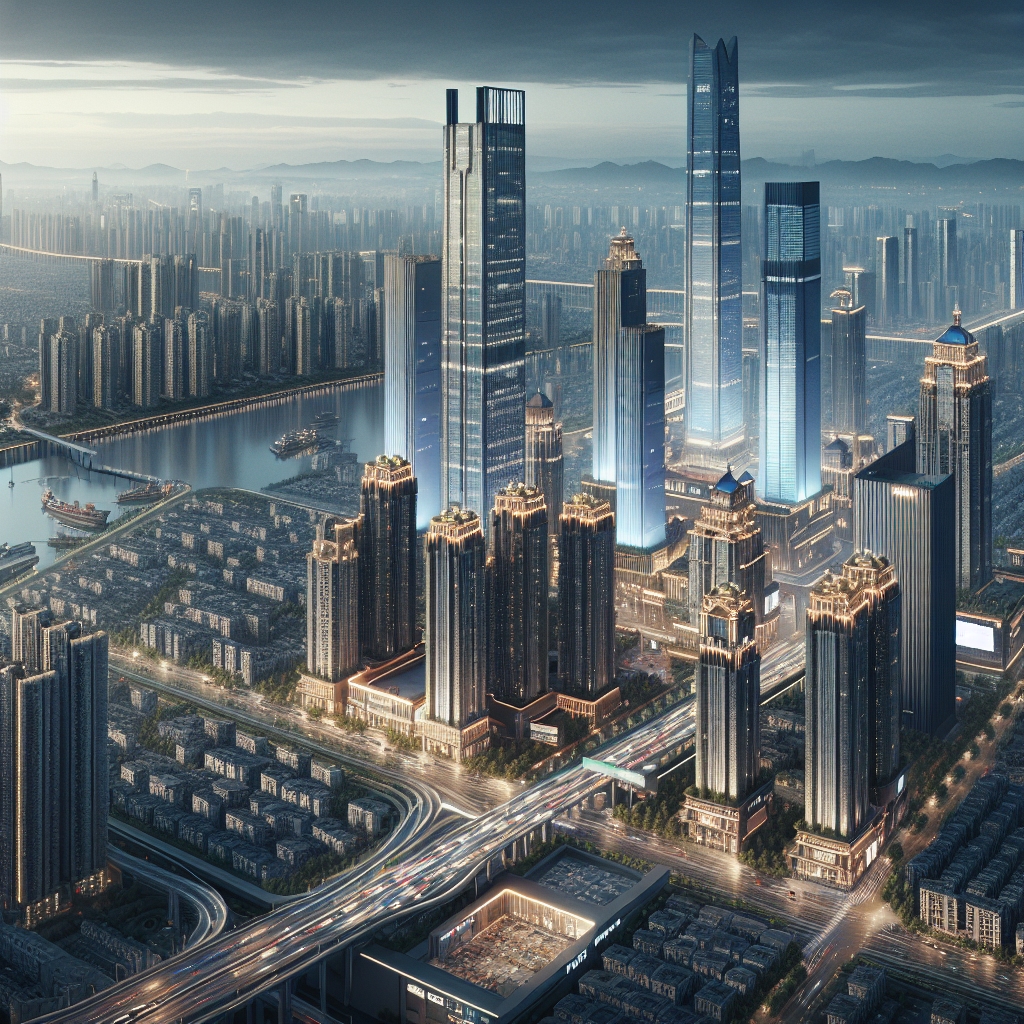

When you think of a place that's tucked away yet bustling with stories of maritime history and cultural shifts, Yingkou might surprise you. This charming port city, flaunting its strategic location in northeast China, has played a significant role since its emergence in the mid-19th century. Once a quaint fishing village, Yingkou blossomed particularly after 1864 when it was established as a treaty port, attracting traders and adventurers alike. It's nestled at the mouth of the Liao River, where it whispers tales of its rich past intertwined with trade, industry, and a blend of east-meets-west influences.
Yingkou's essence is colorfully layered with history. During the late Qing Dynasty, it stood as one of China's first ports open to foreign trade. Ships from all over anchored, unloading commodities and ideas that mingled with local traditions. Over time, the city's allure grew, acting as a gateway fostering economic exchanges. Beyond commerce, Yingkou was also a cultural melting pot that welcomed diverse communities. Its streets echo with the footsteps of many who've come and gone, leaving an imprint on its landscape and soul.
Despite its historical significance, Yingkou remains somewhat under the radar for many tourists. Yet it’s a place where history students and wanderlust-driven Gen Z adventurers would find layers to explore. The old town, with its vintage buildings and stories of its thriving past, intrigues the curious mind. The blend of architectural styles—some remnants of colonial influence amid traditional Chinese structures—reveals a narrative of cultural tolerance and adaptation.
Modern Yingkou carries its past with a touch of pride. Skyscrapers rise, yet between them, you’ll find parks and traditional markets teeming with life. The locals balance the world-culture influx brought by external influences, gracefully merging them with rich local traditions. Here lies the beauty of Yingkou—a city where the old and new coexist, shaping identities.
Candidly speaking, for those politically leaning towards environmental consciousness and sustainable development, Yingkou is not free from challenges. Industrial growth, while boosting local economies, has led to environmental issues. Air quality and pollution raise concerns, calling for greener policies and responsible development that aligns with global goals for sustainable living.
The city isn’t shy from confronting realities. It strives to balance progress with ecological stability. Urban transformations are underway aiming to build greener spaces and cleaner environments. Yingkou serves as an example of how modern cities, even with limited global spotlight, are tackling critical issues head-on. It's about finding solutions that equally cater to economic growth and environmental responsibility.
For those coming from a different political spectrum, it's understandable to raise the flag for industrial development, employment opportunities, and economic perseverance. These aspects are crucial because cities like Yingkou play vital roles in the nation's economic landscape. Port cities are particularly important in the broader narrative of globalization and trade. It's vital to appreciate how these facets work hand in hand with cultural and historical contexts, creating wholesome urban narratives.
Yingkou's food scene is no less fascinating. The city offers a delectable array of seafood, thanks to its excellent location by the sea. Wander into traditional eateries or trendy cafes and let your taste buds travel through local flavors. The culinary charm of Yingkou isn’t just about taste. It tells stories through ingredients and dishes passed down through generations.
Socially, Yingkou is also catching up with the times. Young creatives and innovators in the city are fostering communities that reflect curiosity and drive for change. The city welcomes conversations around diversity, inclusivity, and modernization. The local art scene thrives, with burgeoning talents taking to contemporary forms to express their views and connect with like-minded souls.
The presence of educational institutions also speaks of Yingkou's commitmеnt towards empowering youth. Schools and colleges encourage learning from both folk wisdom and modern sciences, preparing students to navigate today's global challenges while keeping their roots in tradition. These efforts reveal Yingkou’s investment in nurturing future generations who are mindful of history yet progressive in vision.
Perhaps Yingkou's charm lies in its ability to teach us about coexistence. It's more than just a port city. It's a place where different times, ideologies, and cultures meet, compete, and coexist. The learnings from such a city are profound: empathy, resilience, and growth despite all odds. As the world connects and collapses distances, such places remind us of the importance of community, dialogue, and the continuous evolving narrative of history and modernity. Yingkou, in all its subtlety, invites explorers to witness this dialogue, whispering its stories to those who care to listen.