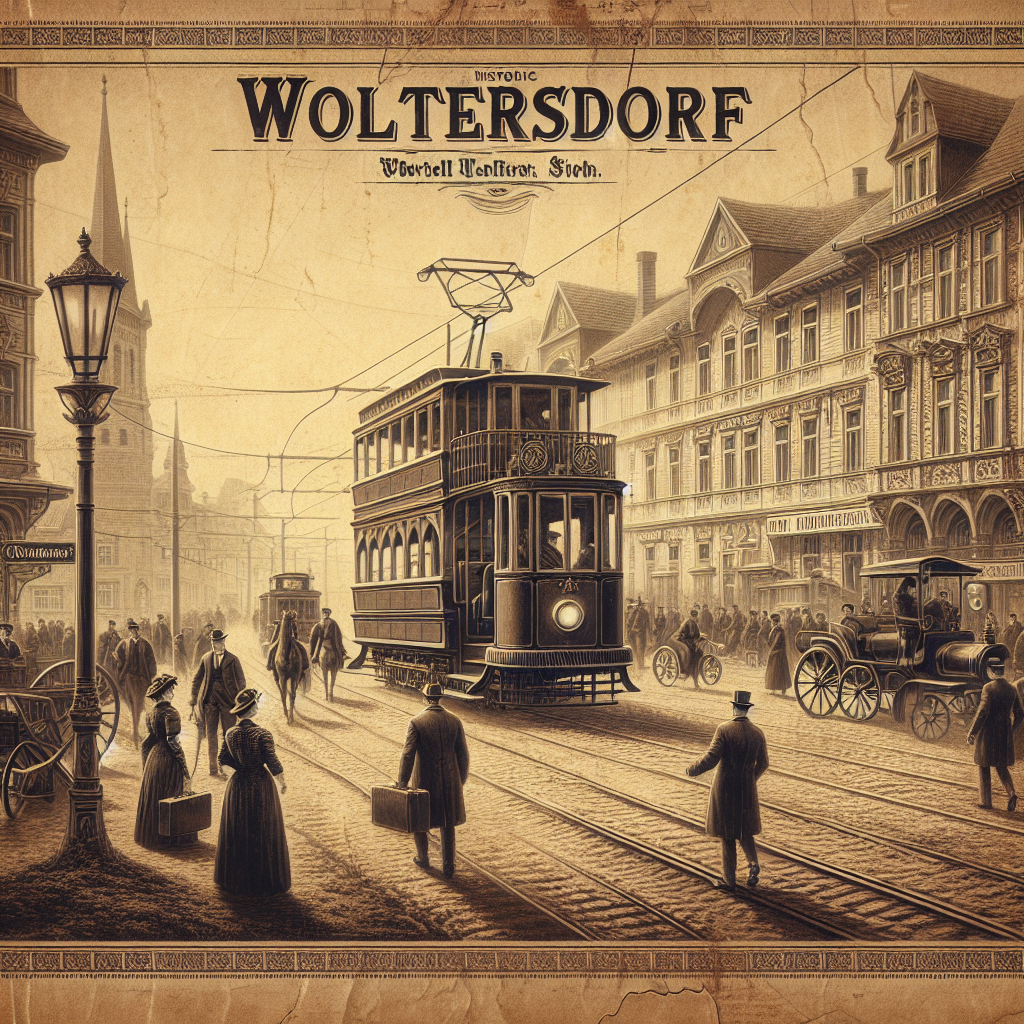

Imagine hopping onto a piece of history, cruising through quaint landscapes while clicking your way back in time. This is the experience that awaits at the Woltersdorf Tramway in Germany, a charming, almost storybook-like experience that has been delighting locals and tourists alike since 1913. Located just outside Berlin, the Woltersdorf Tramway runs a short but picturesque route between the small towns of Rüdersdorf and Woltersdorf.
The Woltersdorf Tramway originally played a crucial economic role. Back in the day, it facilitated the transport of goods and workers amidst the industrial demands of the early 20th century. The tram’s initial purpose reflects a long-forgotten era where trams weren’t just attractions but were necessary to daily life. Today, it's a notable piece of heritage infrastructure, more leisurely and nostalgic than utilitarian.
This tramway stretches a mere 5.6 kilometers, but don’t let its brevity fool you. Every inch is packed with character and picturesque views that seem straight out of an Instagram photo. The charming towns it connects are worth exploring, though it's the tram itself that remains the star attraction, often featuring its vintage ‘Gotha’ cars from the 1950s.
What makes Woltersdorf Tramway even more fascinating is its survival story. While many similar lines were shut down post-World War II and during the GDR era due to political and economic transformations, Woltersdorf held on. It’s a testament to the local community's commitment to preserving their cultural touchstone. In a time where modernization drives everything, holding onto something vintage feels almost rebellious.
But the tram isn’t just an appetizer of regional history. It’s a snapshot of the cultural shifts that have marked Germany's evolution over the past century. The steady clang of the tram bell prompts us to think about environmental issues too. Public transportation, although older than most, surprisingly holds up as one of the greener options even today. In our climate-conscious era, experiencing such sustainable travel firsthand speaks volumes about resource preservation—both from the past and for our future.
Let’s dive into the socio-political shifts surrounding it. Throughout the decades, the tram has seen political regimes change—each more diverse than the last. From Kaiser Wilhelm's era through the GDR and into a reunified Germany, the tram has been a silent observer, reflecting the changing landscapes of ideologies and economies. Preserving it means preserving Germany's multifaceted political history. In that sense, riding the tram is like turning the pages of a history book—one that accurately reflects the complexities and contradictions of a nation remade.
Critics might mention that resources for such restorations could be better used elsewhere, in initiatives with more immediate social impact. However, such criticism overlooks community empowerment born from preserving historic landmarks. This tramway not just about preserving the past; it's about fostering communal pride and ensuring cultural stories are passed down. Preservation brings tourism, tourism brings commerce, and commerce fosters development. It’s a cycle resulting in a win-win.
Supporters argue that keeping landmarks like the Woltersdorf Tramway operational allows for unique cultural dialogues, bridging gaps between generations who remember different stories of its ongoing journey. Take into account that modern infrastructure projects rarely spark the same emotional response—a reminder that innovation doesn’t always mean casting off the old but sometimes cherishing and learning from it.
Riding the tram sends the message that nostalgia can have its place in the present day. It reinforces the idea that remembering where you’ve come from is just as vital as where you’re heading. For Gen Z, who are often seen wrestling between historical education and progressive change, it’s an invitation to balance both, to demand a future that respects the past yet boldly ventures forward.
The Woltersdorf Tramway shows us that time machines don’t always need to be fictional. Some are right there, running on electricity and offering a chance to pause from our hyper-digital lives. Hopping off, you likely realize that it’s not just a transit line but a storyteller and enduring witness to time’s passage.