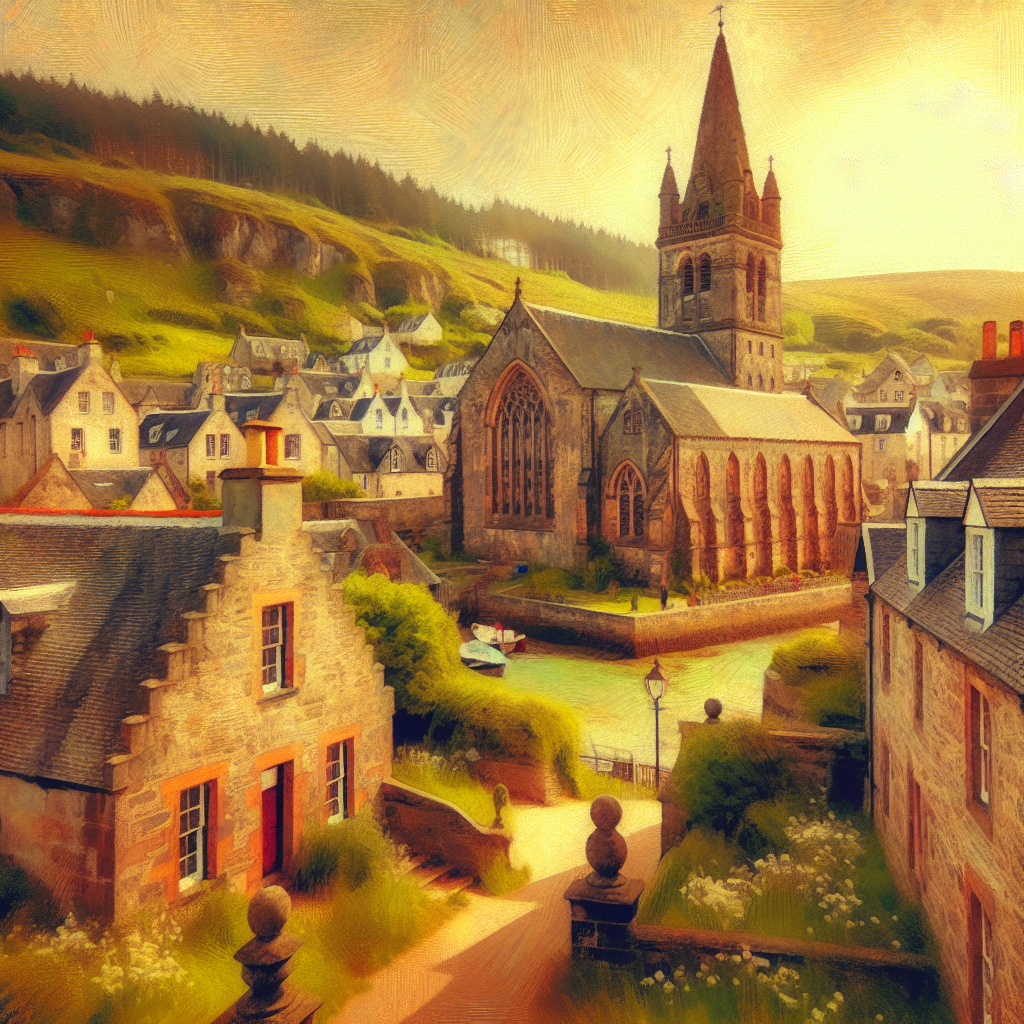

Whithorn isn't just a name that rings with historical significance, it's a place that brims with stories from the ancient world to modern-day society. Nestled in Dumfries and Galloway, Scotland, Whithorn is among the oldest Christian sites in the country, dating back to the fifth century with its association with St. Ninian, Scotland's first saint. Yet, this place isn't merely a relic of the past. Whithorn bridges the corridors of history with the contemporary pulsations of life. While its ancient abbey and serene landscape tell tales of centuries gone by, the community itself breathes new life into old traditions.
For those intrigued by archaeology, Whithorn provides an exciting playground of discovery. Excavations have revealed artifacts ranging from Roman bronze items to medieval pottery. Each find is a reminder that beneath Whithorn's serene exterior lies a bustling past. Its significance as an early Christian site cannot be overstated. The Whithorn Priory, traceable to St. Ninian's missionary work, stands as a testament to a transformative era when Scotland was finding its identity.
Visiting Whithorn is like flipping through the pages of a history book but with the ability to touch and feel the remnants of time. The historic sites demand a curious mind and a respectful appreciation for the layers of human experience embedded within its stones. However, Whithorn is not only for those with an academic interest. It's a space where spirituality blends with history, offering peace to visitors regardless of their faith.
Currently, Whithorn wrestles with the challenges that many small towns face today. There's a delicate balance between preserving its rich heritage and fostering economic development. The evolution of Whithorn's community speaks to broader societal changes. Like many places, it’s adapting to tourism while striving to maintain its identity. There's an ongoing conversation about ensuring that the community benefits from its historical attractions while acknowledging and respecting its past.
Some might argue that focusing resources on preserving historical sites could detract from present-day necessities like housing and infrastructure. However, many residents and historians see the investment in history as a vital part of the town's future sustainability. The dialogue around how best to support and promote these historic areas echoes a larger global conversation. It's about honoring tradition while innovating for progress, ensuring that economic pressures don't erode cultural and historical identity.
Whithorn represents a slice of the past in a modern world. It’s a physical manifestation of how history and present-day life overlap. For Gen Z and all seekers of meaning in this complex world, Whithorn is a vibrant example of how history isn't just something you read about but something lived and experienced. Imagine the footsteps of monks and the quiet melody of past worship resonating through the air. Such thoughts remind us why places like Whithorn are valuable; they offer context, grounding, and an unbroken link to humanity’s storied path.
Visiting these sites isn't merely about witnessing the past; it's about reflecting on where history meets the personal and the communal identity. When you walk through this ancient town, you're not just an observer; you're a participant in its ongoing narrative.