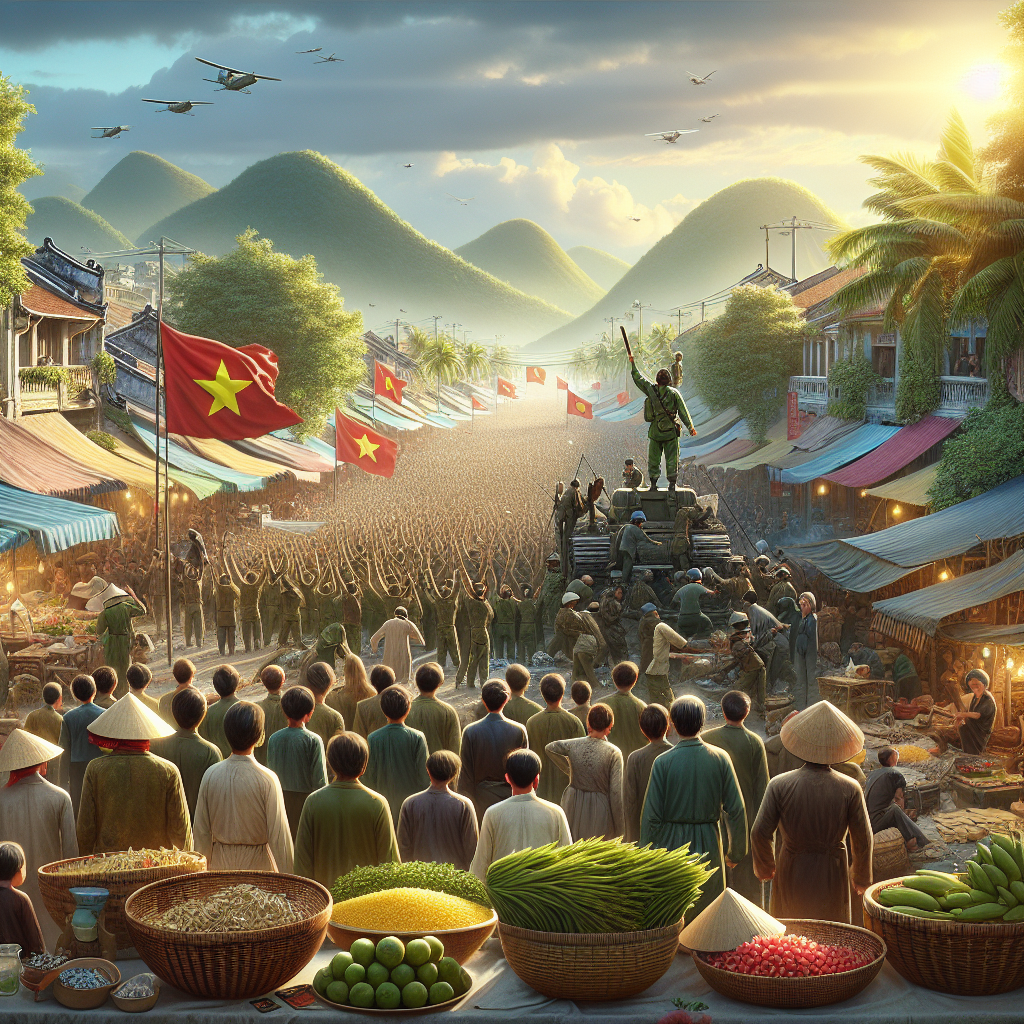

Vietnam is not just a destination; it's a rich tapestry of history, culture, and resilience that makes it so captivating. Stretching along the eastern edge of the Indochinese Peninsula, it's a country nestled in the hearts of travelers looking to experience the warmth of Asia. The Vietnamese people are as dynamic as they are diverse, and it's this wonderful blend of tradition and modernity that sparks a unique charm.
The story of the Vietnamese people is illustrated with bold strokes of endurance and evolution. Their history is marked by periods of struggle, starting as far back as the millennium under Chinese rule, through stages of self-sustained autonomy, and later confronting colonial occupation by the French. The 20th century brought profound complexities; a war that stretched more than two decades reshaped the nation and significantly impacted its societal fabric. Yet, through all its trials, Vietnam emerged resilient, its people showing indomitable spirit and adaptability.
Vietnamese society is deeply rooted in Confucian principles that stress the importance of family, education, and respect for elders. Familial bonds are cherished, with multi-generational households being common. Here, family is not just a social unit but a framework for personal identity. Nearly every person is meticulously interwoven into a communal tapestry, where individual choices often reflect collective benefit.
This strong sense of community can sometimes clash with individualistic ideas that are prevalent in Western cultures. Over recent years, globalization has brought rapid change, and zooming in on the younger generations might reveal a tug of war between long-held traditions and modern innovations. The Gen Z in Vietnam can be seen embracing tech-savvy lifestyles and acquiring a global perspective, yet staying grounded with their cultural values.
To truly understand the Vietnamese spirit, one must wander through their cities and countryside. Hanoi, the capital, stands as a city where timeless tradition meets buzzing modernity. Street vendors selling Pho on crowded sidewalks contrast sharply with upscale cafes filled with youth engrossed in their MacBooks and smartphones. Saigon, or Ho Chi Minh City, presents a bigger metropolis vibe, a sprawling urban landscape that's catching up with the likes of Bangkok and Singapore in terms of development.
In the rural heartland, life adopts a gentler rhythm. The scenery here unfolds with lush paddy fields, picturesque landscapes that soothe the urban heart. The people exude a warmth and humility, welcoming strangers with a genuine smile. Although rural living bears its own set of challenges, there is a rich cultural heritage that thrives despite the harshest odds.
Generosity is an essential character trait among Vietnamese people. They extend hospitality with simplicity and sincerity. Many visitors remember the shared laughter over food. Vietnamese cuisine is celebrated worldwide, for its harmonious blend of flavors, representing its vibrant culture. Each meal is more than just consumption; it's an invitation to understand tradition, flavor, and identity.
Education is held in high regard here, considered the ladder to better prospects and self-improvement. For many Vietnamese, succeeding academically is a collective family goal. But the strive for educational success is not without its criticisms. There's a growing conversation about the pressures of academic success and how the rigid system can sometimes overlook creativity and personal growth.
Politically, Vietnam operates as a one-party socialist republic. Its system contrasts with the more transparent democracies seen in the Western world. While some see this system as restricting, others appreciate the stability and consistency it brings, allowing Vietnam to focus on economic development and poverty reduction. The extent of freedom and expression has been a matter of ongoing global discourse, with a focus on how it aligns or conflicts with international views on human rights.
The history of the Vietnamese diaspora, especially post-war, outlines a chapter of cultural transition. Many Vietnamese sought new beginnings abroad, leading to significant Vietnamese communities flourishing worldwide, from the U.S. to Australia, contributing to a global cultural exchange. While these communities have cultivated new identities, their roots remain planted in the vibrant culture of their homeland.
Vietnam's trajectory from conflict to renewal is deeply inspiring. It's a place where the past and present coexist, offering lessons on resilience and adaptability. The Vietnamese people continue to embrace change, interpreting the global zeitgeist through their local lens, shaping a future that's distinctly their own.