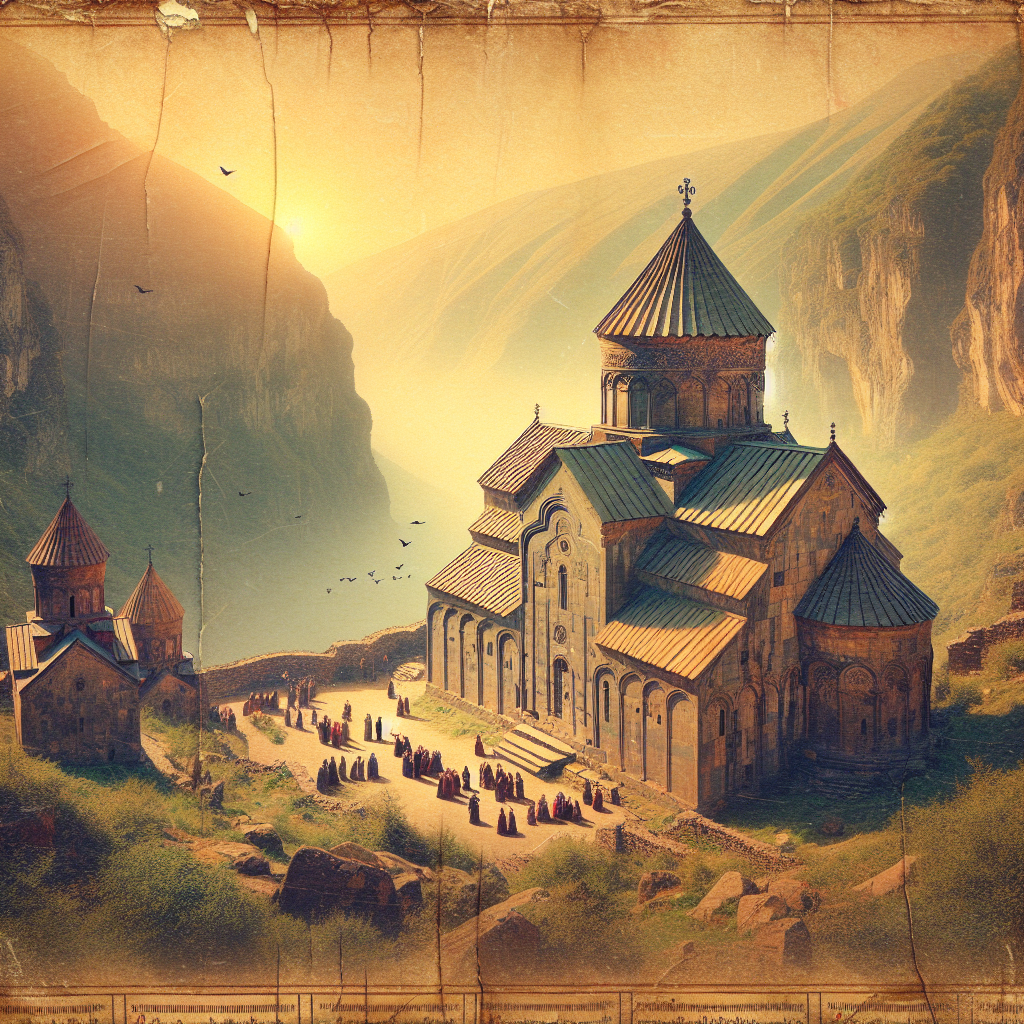

In the heart of Anatolia, perched amid the rugged hills and whispering winds, there's a hidden gem that has silently withstood the trials of centuries—Varzahan Monastery. This ancient relic, nestled in the Bayburt Province of modern-day Turkey, holds a past as rich and layered as the landscapes surrounding it. Believed to have been established in the 10th century during the reign of the Bagratid Kingdom, this monastery once served as a hub of religious and cultural life for the Armenian Apostolic Church. Today, its weathered stones speak of the lives and events long past—waiting patiently for curious minds eager to listen.
Visiting Varzahan is not merely a journey through scenic beauty; it is an opportunity to immerse oneself in a chapter of history that reflects a blend of cultures and the resilience of faith amidst political turbulence. The monastery, though now in ruins, is a testament to architectural ingenuity that could turn cold stone into a vessel of warmth and spirituality. For Gen Z, often eager to explore destinations off the beaten path and embrace diverse cultures, Varzahan presents an invitation to engage with heritage and history in a profoundly tactile way. It may lack the fame of landmarks like the Hagia Sophia or the Blue Mosque, yet its humble presence offers an equally powerful narrative.
As with many historic sites in politically volatile regions, Varzahan Monastery’s story is tinged with dispute and cultural conflict. Once thriving with monastic life, it fell into decline, reflecting the tumultuous history of the region where Armenians, Byzantines, Seljuks, and Ottomans each left their mark. Understanding these dynamics is crucial for a generation that values empathy and the ability to view history from multiple perspectives. This is particularly important today, as discussions about cultural preservation versus modernization become increasingly prevalent across global societies.
There is a sadness about Varzahan Monastery's current condition. Its abandonment speaks volumes about neglect and the erasure of cultural heritage. For those passionate about preserving history, this monastery symbolizes the ongoing debate over what should happen to such sites. Should they be restored to their full glory as seen with many other historical landmarks? Or should their ruins be left as is—a reminder of the transience of empires and the fleeting nature of time? These questions are worth pondering as they compel us to consider the implications of preserving versus reconstructing cultural treasures.
However, in this state of decay, there is also an undeniable beauty. Varzahan, with its echoes of chants from another era, has charms cloaked in its vulnerability. It's the kind of place that whispers stories to those willing to hear. The quiet perseverance of the monastery's remains, hidden from bustling tourist trails, allows for an intimate encounter with history. The serene landscape, unmarred by commercialization, ensures that any visitor can pause and reflect without the distractions that so often accompany more popular attractions.
Furthermore, the surrounding area offers its own allure. Steeped in natural beauty, the terrain around Varzahan invites exploration. It's an area that beckons hikers and nature lovers, promising stunning vistas and glimpses into rural Anatolian life. The locals, proud of their heritage and ever warm, offer hospitality that mirrors the rich cultural tapestry of the region. This connection to the land and its people provides a nuanced understanding of the monastery's significance beyond its religious roots.
For those who advocate the preservation of cultural heritage, Varzahan underscores the importance of recording and maintaining such sites before they disappear entirely. The loss of Varzahan would mean the dulling of another voice in the symphony of human history. Gen Z, often at the forefront of campaigns for environmental and cultural conservation, can find in Varzahan an emblematic cause that aligns with their values of protecting the planet and its diverse stories.
Undoubtedly, the Varzahan Monastery resonates deeply within the current zeitgeist of rediscovering and valuing ancient wisdom. Whether one approaches it with a reverence for spiritual history or a fascination with architecture, there's something universally compelling about its tale. Embracing this historical site is about more than just preservation. It’s about acknowledging the diverse narratives that have shaped our world and recognizing the shared threads that bind us all, across times and cultures.
A visit to Varzahan offers much to ponder. There is a duality: the beauty found in desolation and the lesson in its endurance. It challenges us to question our role in maintaining a balance between honoring the past and building for the future—a challenge that this generation, with its keen sense of justice and innovation, seems ready to embrace. In keeping the spirit of places like Varzahan Monastery alive, we not only honor ancients but actively craft a legacy of care and respect for generations yet to come.