
The Ubon Ratchathani Main Line: A Journey Through Time and Culture
Imagine a train journey that not only takes you through the heart of Thailand but also through the pages of history and the vibrant tapestry of culture. The Ubon Ratchathani Main Line is just that—a railway line that connects the bustling city of Bangkok to the serene province of Ubon Ratchathani in northeastern Thailand. This line, which has been operational since the early 20th century, serves as a vital link for both locals and tourists, offering a unique glimpse into the diverse landscapes and communities of the region. The Ubon Ratchathani Main Line is more than just a mode of transportation; it is a symbol of connectivity and cultural exchange.
The Ubon Ratchathani Main Line was constructed during a time when railways were seen as the arteries of progress, facilitating trade and communication across vast distances. The line was completed in stages, with the final section reaching Ubon Ratchathani in 1930. This development was part of a broader effort by the Thai government to modernize the country's infrastructure and integrate its far-flung provinces. The railway not only brought economic benefits but also played a crucial role in uniting the diverse ethnic groups of northeastern Thailand, fostering a sense of national identity.
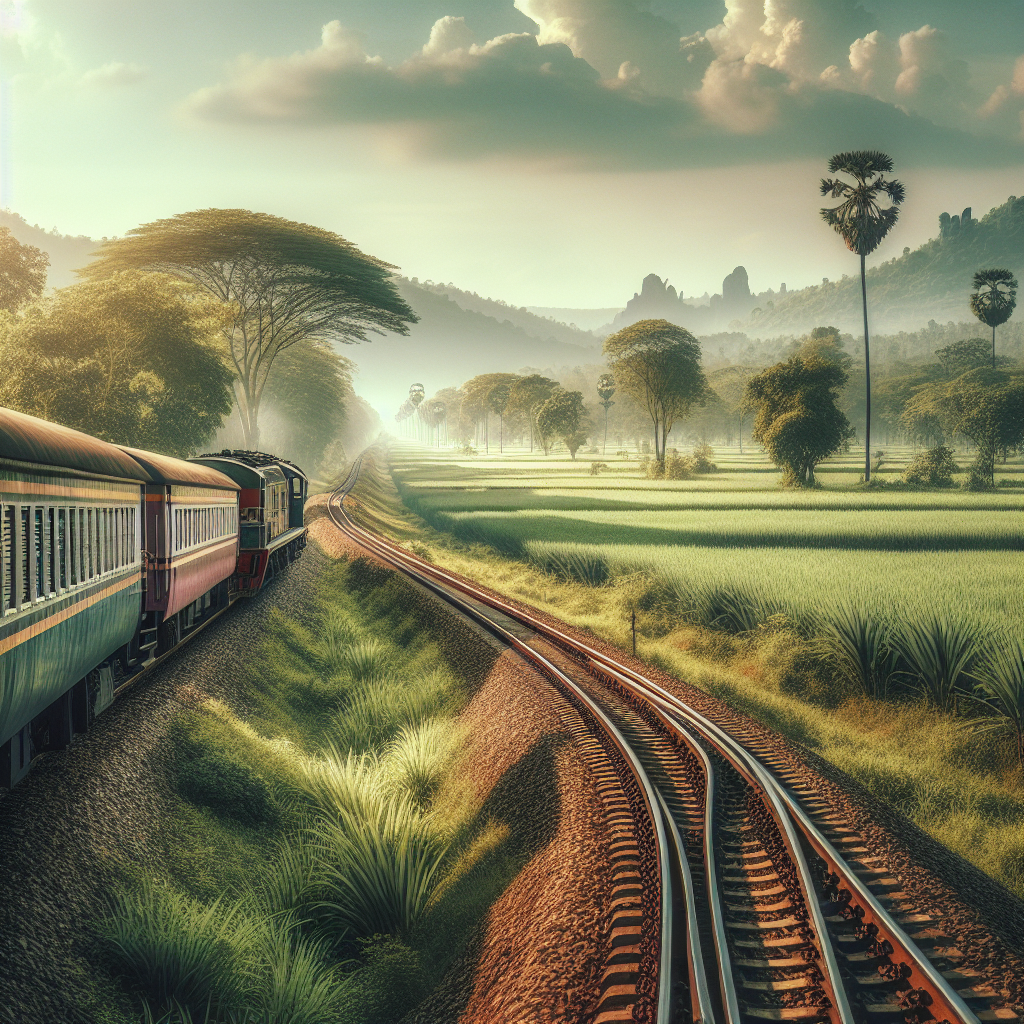
Traveling on the Ubon Ratchathani Main Line today is like stepping into a living museum. The journey begins in Bangkok, a city that never sleeps, with its skyscrapers and bustling streets. As the train chugs along, the urban landscape gradually gives way to lush rice paddies, dense forests, and quaint villages. Each stop along the way offers a snapshot of Thailand's rich cultural heritage, from the ancient temples of Ayutthaya to the vibrant markets of Korat. For many passengers, the journey is as much about the experience as it is about reaching the destination.
The Ubon Ratchathani Main Line is not just a relic of the past; it continues to play a vital role in the lives of the people it serves. For many residents of northeastern Thailand, the train is an essential means of transportation, providing access to education, healthcare, and employment opportunities. The line also supports local economies by facilitating the movement of goods and tourists. In recent years, there have been efforts to modernize the railway, with upgrades to tracks and stations aimed at improving safety and efficiency.
However, the Ubon Ratchathani Main Line faces challenges in the modern era. The rise of air travel and the expansion of road networks have led to a decline in passenger numbers, prompting debates about the future of the railway. Some argue that the line should be preserved as a cultural and historical asset, while others advocate for its modernization to meet contemporary needs. This tension reflects broader discussions about the balance between preserving heritage and embracing progress.
Despite these challenges, the Ubon Ratchathani Main Line remains a beloved part of Thailand's transportation network. For many, it is a symbol of the country's resilience and adaptability, a reminder of the journeys that have shaped its history. Whether you're a local commuter or a curious traveler, the line offers a unique opportunity to explore the heart of Thailand, one train ride at a time.
In a world that often prioritizes speed and efficiency, the Ubon Ratchathani Main Line invites us to slow down and appreciate the journey. It reminds us that travel is not just about reaching a destination, but about the experiences and connections we make along the way. As we look to the future, the line stands as a testament to the enduring power of railways to bring people together, bridging distances and cultures in a way that few other forms of transportation can.