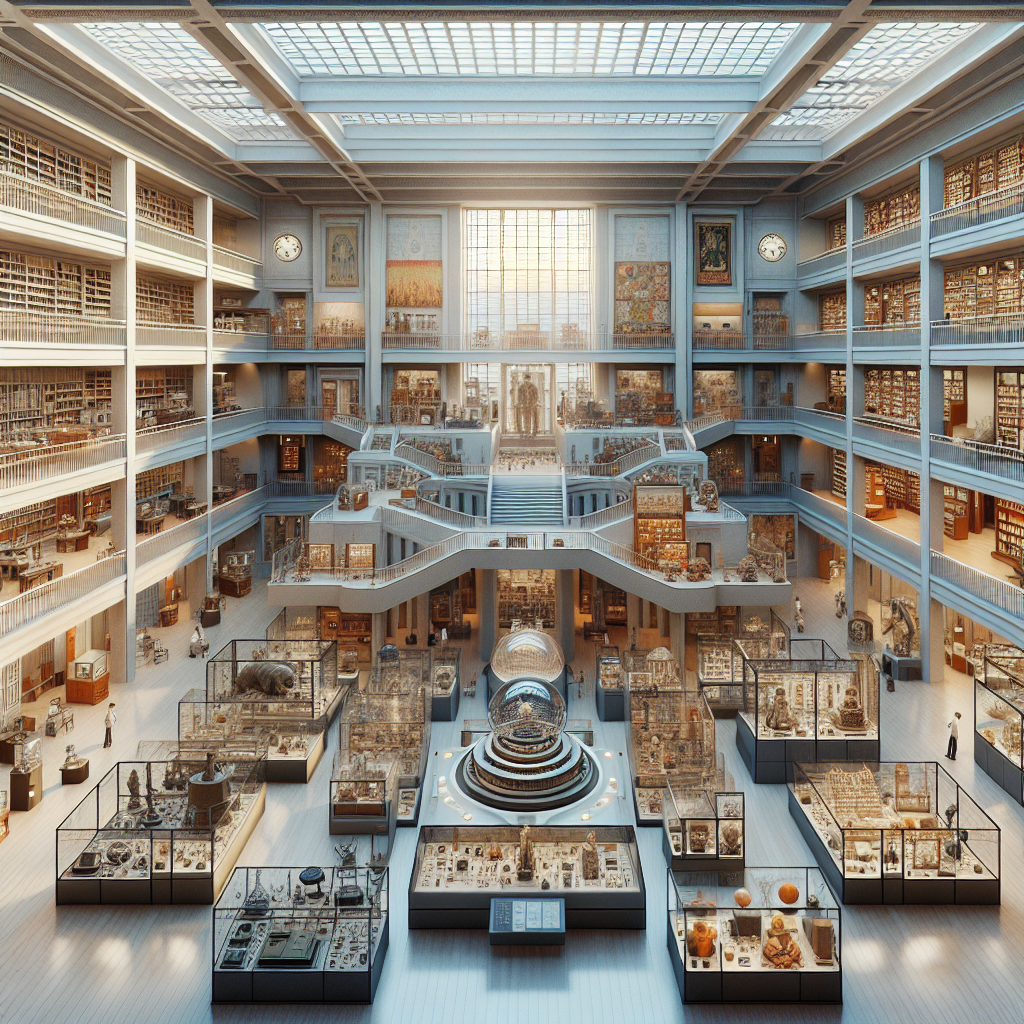

Walking into the University Museum at The University of Tokyo feels like entering a time machine with endless possibilities. Located in the picturesque neighborhood of Hongo, this unique museum serves as a bridge between academia and the general public. Established in 1966, the museum has taken upon itself the Herculean task of conserving, displaying, and interpreting vast collections of artifacts. Why does it matter, you ask? Imagine a place where learning extends beyond textbooks and laboratories, a space encouraging curiosity and wonder for both students and visitors alike.
At the museum, nearly every corner whispers a story of the past. The exhibitions cover a wide range of disciplines, from archaeology to natural science, allowing one to grasp the breadth of life and history. Walking through the halls, you can admire the meticulously preserved dinosaur skeletons, marvel at an ancient Mesopotamian clay tablet, or ponder the details of intricate Japanese pottery. What stands out is the profound connection between the exhibits and the fervor of academic pursuit, showcasing groundbreaking research and discoveries.
The University Museum isn't just about static displays; it's an interactive experience. The curators have done a remarkable job ensuring the exhibits engage both the eye and the mind. Digital installations and hands-on exhibits complement the traditional dioramas to make learning a rewarding experience for younger audiences, especially Gen Z. They're not simply bombarded with static facts; they are invited to ponder questions, reflect on humanity’s rich tapestry, and actively participate in the narrative.
If you're wondering whether it's all just another Vanilla museum, you'd be mistaken. The University Museum actively participates in innovative, interdisciplinary research, often partnering with other academic institutions worldwide. Its projects include intriguing biotech developments and the impact of climate change. This forward-thinking approach is not just about preserving the past but also understanding and foretelling the future. Collaboration is fostered, bridging gaps between various disciplines, from biology to robotics. This aspect indeed pushes the boundaries of what a university museum can achieve.
You might be initially hesitant to visit what may seem like an academic fortress, but the museum is open to everyone and frequently offers public lectures, workshops, and special exhibitions. These are delivered not with the aim of glorifying academia, but to make knowledge accessible and relevant to the wider community. Additionally, virtual tours and digital resources are increasingly becoming available, which breaks down geographical barriers and allows global participation—a nod to increased digital globalization.
Critics of such museums might argue they cater too much to academia and intellectual elites, alienating the general populace. However, it's crucial to recognize that the museum is making significant strides in inclusivity and educational outreach. While it's true that some exhibits might be dense and challenging, curators are aware of these critiques and are actively working on more approachable content for diverse audiences.
What's truly inspiring is the student involvement in showcasing the museum’s resources. The vigor and enthusiasm brought by these young minds contribute to a dynamic environment where learning is constantly evolving. The University of Tokyo encourages its students to participate, from guided tours to research opportunities, not merely as observers but as contributors to knowledge.
For those interested in Japanese history or science enthusiasts keen to peek behind the curtain of cutting-edge research, the University Museum is an unmissable experience. It challenges perceptions of what museums stand for, offering a different lens through which to view the intersection of education, culture, and science. Emphasis is placed on not only displaying facts but igniting a spark that encourages continuous discovery.
The story of The University Museum, like many others, highlights the role museums play in society, especially in times where the speed of technological advancements can overshadow the importance of historical knowledge. Museums dispose of the notion that learning is confined to classrooms, asserting instead that the world is an endless classroom, a message that's increasingly important for newer generations.
In essence, visiting the University Museum is not about witnessing relics of the past, but about participating in a vibrant dialogue that shapes our understanding of today and tomorrow. So if you find yourself wandering the streets of Tokyo, whether you're a history buff, science geek, or just a curious soul, make a stop at The University Museum—where the past, present, and future collide in a beautiful symphony of knowledge.