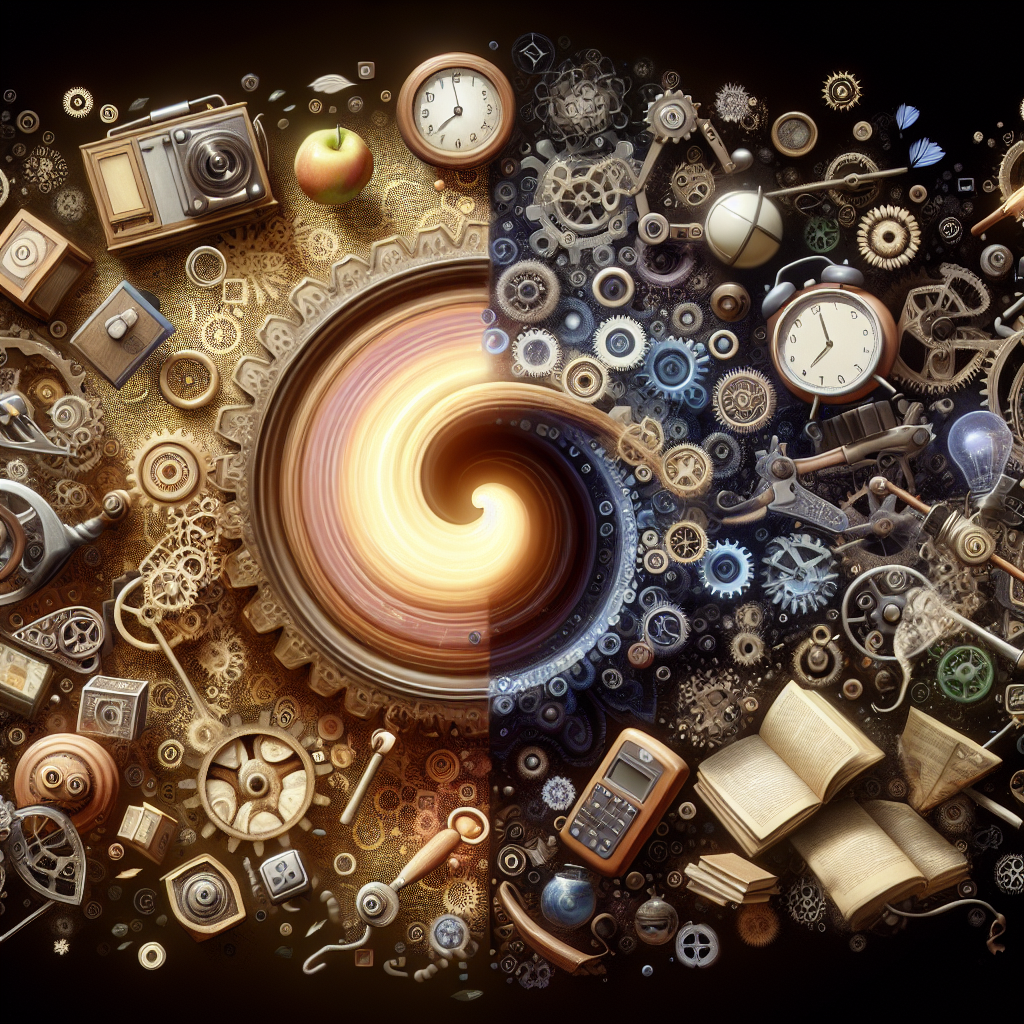

The Changing Same: A Dance of Progress and Tradition
Imagine a world where everything changes yet somehow remains the same. This paradox is at the heart of the phrase "the changing same," a concept that captures the essence of societal evolution. The term was popularized by cultural critic and scholar Amiri Baraka in the 1960s, who used it to describe the dynamic yet consistent nature of African American culture. Today, it resonates with the broader societal shifts we witness globally. As we navigate through the 21st century, the tension between progress and tradition is more palpable than ever, affecting everything from politics to technology, and even our daily lives.
In the political arena, the changing same is evident in the ongoing struggle between progressive ideals and conservative values. On one hand, we see a push for social justice, equality, and environmental sustainability. Movements like Black Lives Matter and Fridays for Future have gained momentum, demanding systemic change and accountability. On the other hand, there is a strong desire to preserve traditional values and resist rapid change, often fueled by fear of the unknown or loss of cultural identity. This clash is not new, but the stakes feel higher as the world becomes more interconnected and the consequences of inaction more dire.
Technology is another realm where the changing same plays out. Innovations like artificial intelligence and renewable energy promise to revolutionize our lives, offering solutions to some of the world's most pressing problems. Yet, these advancements also bring challenges, such as job displacement and ethical dilemmas. The digital divide remains a significant issue, with many communities lacking access to the very technologies that could improve their quality of life. As we embrace the future, we must also address these disparities to ensure that progress benefits everyone, not just a privileged few.
Culturally, the changing same is reflected in the way we consume and create media. The rise of social media platforms has democratized content creation, allowing diverse voices to be heard and celebrated. However, it has also led to the spread of misinformation and the erosion of privacy. The entertainment industry is grappling with similar contradictions, as it strives to be more inclusive while still catering to mainstream tastes. This tension is a reminder that while change is necessary, it must be approached thoughtfully to avoid repeating past mistakes.
The concept of the changing same also applies to our personal lives. As individuals, we are constantly evolving, shaped by our experiences and the world around us. Yet, we often find comfort in routines and traditions that ground us. This balance between change and stability is crucial for personal growth and well-being. It allows us to adapt to new circumstances while staying true to our core values and beliefs.
Understanding the changing same requires empathy and open-mindedness. It involves recognizing that progress and tradition are not mutually exclusive but can coexist and complement each other. By embracing this duality, we can foster a more inclusive and equitable society that honors the past while looking toward the future.
As we continue to navigate this complex landscape, it's essential to engage in meaningful dialogue and collaboration. By listening to diverse perspectives and finding common ground, we can bridge the gap between change and continuity. The changing same is not just a concept but a call to action, urging us to be active participants in shaping the world we want to live in.