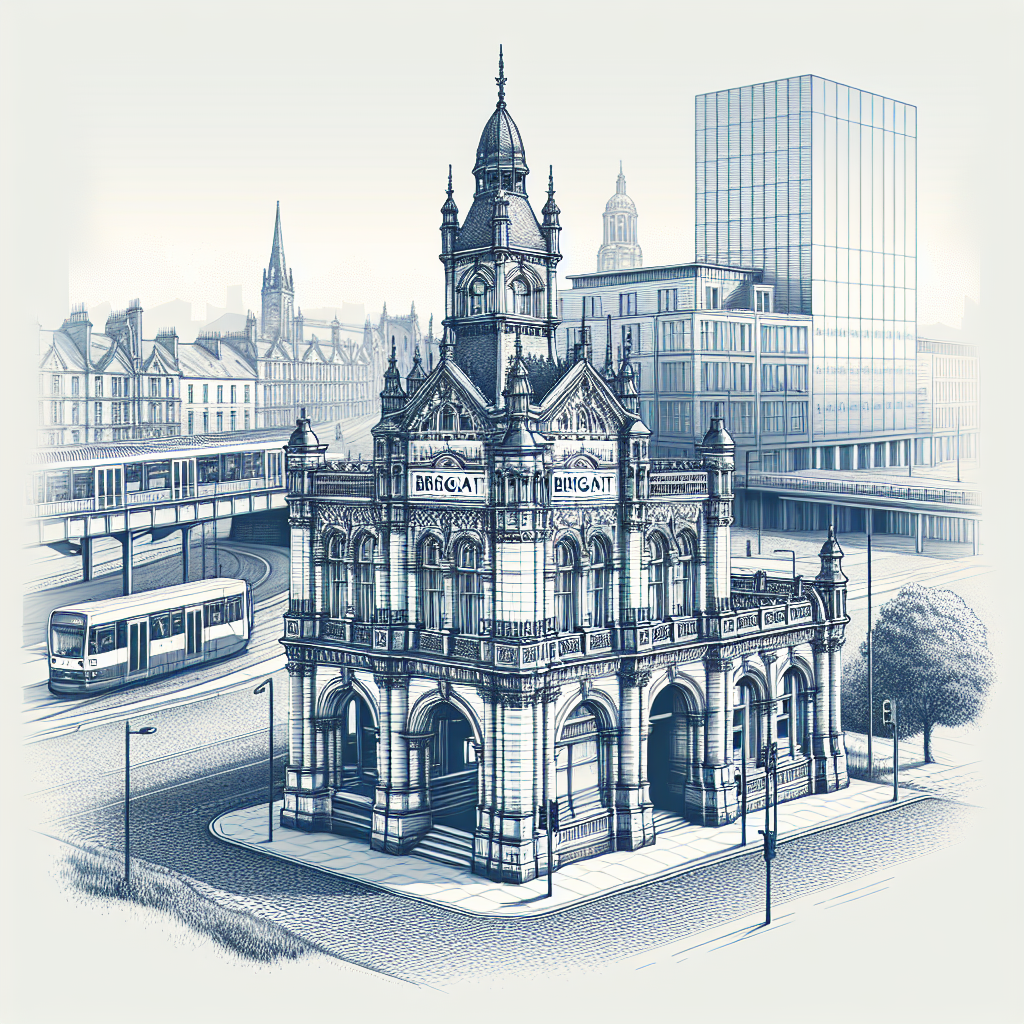

Nestled in the vibrant heart of Glasgow, The Briggait might just be the most underrated gem the city has to offer. Once a bustling fish market that dates back to 1873, today it has been transformed into an incredible space for creative and cultural endeavors. Here's why The Briggait is not just a building, but a piece of living history that stands as a testament to Glasgow’s evolving urban landscape.
The Briggait lies at the intersection of history and innovation. Situated by the River Clyde, this 19th-century marvel is now a hub for artists and a workspace for small businesses. Its remarkable transformation was spearheaded by the WASPS (Workshop and Artist Studio Provision Scotland) Trust, a non-profit that supports the arts. They took the old, disused market and turned it into something beautiful—a place where people from all walks of life can pursue their passions. For the youth looking to absorb some inspiration or create their own mark on the city, the opportunities are literally endless.
Renovations began in 2009 and involved more than just architectural preservation. It was about breathing life back into a community that had lost one of its active gathering spots. The main hall of The Briggait is now an impressive multi-purpose events space that's available for hire, frequently playing host to art exhibitions, workshops, and markets. All these contribute to the colorful tapestry that is Glasgow culture, drawing people who value creativity, collaboration, and innovation.
But let’s not forget the building’s past. Rusty old fish-stalls have given way to vibrant art studios. The echoes of bustling trade have been replaced by the hum of artists at work. Yet, The Briggait maintains a reverent nod to its origins. Its sandstone architecture and wrought-iron frame remain intact, telling stories of a time when Glasgow was an industrial powerhouse. That history is palpable, and for many, it conjures both nostalgia and a profound respect for the city’s relentless spirit.
However, there’s always room for differing perspectives. While many celebrate the Briggait as a beacon of cultural renewal, some community members argue that it represents a sanitized version of Glasgow's past. Critics point out that such transformations often cater more to tourists and middle-class consumption rather than immediate community needs. Is it merely a playground for the artistically inclined, or does it offer genuine social good for the diverse groups inhabiting Glasgow?
The debate isn't new and reflects broader issues of gentrification versus preservation. While the young and artistic are thrilled to have a space that they can call their own, others question whether such developments truly benefit the local community. It’s a fair point, given that spaces like The Briggait should ideally marry creativity with inclusivity—ensuring that art and culture aren't luxuries, but accessible to all.
That said, for those who engage with The Briggait—as artists, visitors, or community members—there’s a strong sense of belonging. The spaces designed for creativity foster a culture of sharing, learning, and collaboration. They break down barriers that often dictate who gets to participate in the arts. The goal is to encourage interaction among diverse groups and inspire the next generation of creatives.
For Generation Z, who are known for their inclination toward social justice and inclusivity, The Briggait represents an opportunity to use art as an agent of change. It’s not just about showcasing talent but also about engaging with vital conversations around culture, politics, and identity. Whether participating in art workshops or attending events, young people can find ways to express themselves in meaningful and impactful ways.
Ultimately, The Briggait remains a fascinating location—not just for what it offers today, but for what it says about the future. It proves that historic spaces can evolve to meet modern needs without losing their essence. Whether you're a local or a visitor, The Briggait is a testament to Glasgow's resilience and vision. It stands as a reminder that the past can coexist with the present, creating a future that values both tradition and innovation.